
Best Forged Carbon Fiber Looks for High Performance Supercars
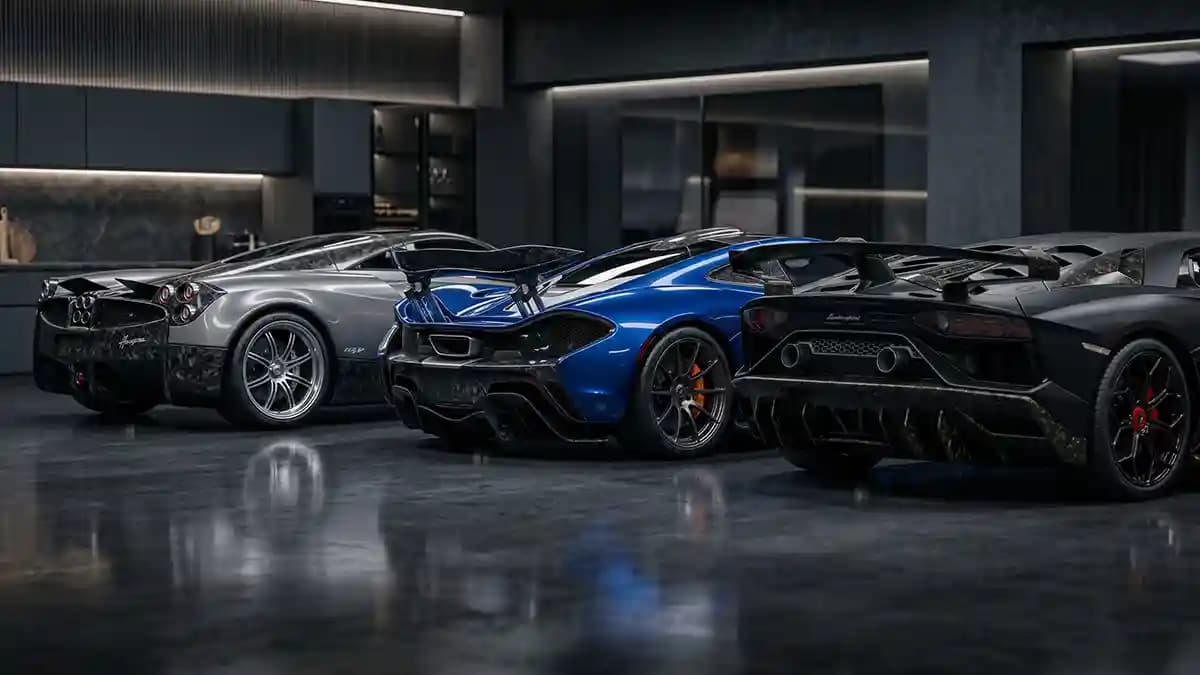
Forged carbon fiber looks best on high performance supercars when the pattern feels rich, random, and deep, not when it screams like a cheap phone case stuck to a million euro car. That is my quick review of the title right there. The best looks are dark marbled black, smoked gray, black with silver flash, black with gold fleck, and brand matched color accents under a clear polyurethane dome. I learned this while staring at a black wheel center that looked fine in my hand, then looked like a sad poker chip once it was on the car.
The funny thing about forged carbon fiber is that people think messy means easy. Nope. Random does not mean sloppy. Lamborghini has pushed Forged Composites for years, with its own page saying the material has been under development since 2008, and the company also ties the 2010 patent to the Sesto Elemento idea. That matters because the look comes from real supercar stuff, not a sticker trend cooked up in a parking lot after too much gas station coffee.
Current supercar pages back this up. Lamborghini lists the Revuelto with a carbon monofuselage and Forged Composites front structure, while McLaren says the W1 uses its advanced Aerocell carbon fiber monocoque. Porsche says the 2025 911 GT3 uses carbon fiber reinforced plastic in the body and suspension to help cut weight. Carbon belongs on serious cars, but the tiny details still need taste.
Why forged carbon fiber works on supercar accessories
I was standing beside a Huracan last month, nose low, brakes huge, wheels clean enough to shame my own driveway. The owner had black center caps with plain flat logos, and they did the job the way a paper plate does the job at a barbecue. Fine, but not special. Then we held a forged carbon style dome near the wheel and the whole center woke up.
That is the magic of a good premium wheel badge. The dome adds depth, the marbled carbon gives movement, and the light makes the pattern shift as you walk around the car. Flat vinyl can look printed, because it is printed. A clear dome makes the face feel like it has a lens over it, which is why small wheel centers suddenly look more like real trim.
Here is what forged carbon fiber does better than normal weave carbon on wheel caps.
It hides small size limits better because the pattern has no strict weave lines.
It looks more modern on Lamborghini, McLaren, Ferrari, Porsche, Audi R8, and tuned super sedans.
It works on black wheels, satin wheels, bronze wheels, and dark silver wheels.
It lets the logo stay clean because the background already has motion.
It feels expensive when the pattern is scaled small enough for the cap.
This is where people mess up. A huge pattern on a 60 mm wheel badge looks like a kitchen countertop, so keep the flakes small, tight, and layered.
The safest look is dark marbled black
Dark marbled black is the one I trust first. It gives you the forged carbon fiber look without making the wheel center fight the caliper, the wheel finish, or the badge logo. On a black supercar, it feels mean but still clean. On a bright car, it gives contrast without acting like a neon sign.
This is the look I would use on most daily driven exotics. Dark marbled black hides dust better than bright chrome, and it does not age fast when the rest of the car changes. It is also the easiest style to pair with the wider wheel emblems collection when you are still sorting out the exact brand vibe. Use it when the car already has black trim, carbon mirror caps, or a bright paint color that needs a darker wheel center.
I like it because it does not beg for praise. It just sits there looking right. That sounds boring until you see the other choice, which is a wheel center that looks like it got dressed in the dark.
Black and silver flash for sharper wheels
Black with silver flash is the next step up. This one has a bit more bite, because the silver pieces catch sun and show the marbled carbon faster. On a silver, gray, white, or black supercar, that tiny flash can tie the center cap to the wheel face. Done well, it looks like the badge belongs to the wheel instead of being stuck on after dinner.
I use this look when the wheels have machined edges, brushed faces, silver bolts, or a polished lip. The badge gets to echo those little bright points. That is the key word, echo. If the silver flash takes over, the cap starts yelling again.
Good matches are brushed silver wheels, dark wheels with silver hardware, white cars with black trim, and Porsche or McLaren builds with clean technical styling. This is where the Porsche 3D wheel center cap emblems style makes sense as a reference point. Porsche owners notice tiny finish errors, like a friend who spots crooked pictures from across the room.
Gold fleck for loud cars that earned it
Gold fleck is dangerous. I love it, but it is the hot sauce of forged carbon fiber. Too much and everybody starts sweating.
This works on cars that already have warm details. Think bronze wheels, gold calipers, champagne paint, satin black with gold hardware, or a badge that uses yellow or gold in the logo. On a Ferrari, Lamborghini, or Mansory style build, gold fleck can feel rich. On a plain gray car with no other warm detail, it can feel like a pirate coin glued to a wheel.
My rule is simple, use gold fleck only when the car already has gold, bronze, yellow, or warm carbon tones. Keep the logo simple, keep the flakes small, avoid bright yellow gold on cold silver wheels, and test it in sunlight before you commit. This is a good spot to browse the Lamborghini collection because Lamborghini design can carry drama better than most cars. The shapes are already loud.
Smoked gray for the grown up supercar look
Smoked gray forged carbon is for the owner who wants people to notice, but only after they are close enough to care. It looks best on satin paint, graphite wheels, dark silver wheels, and cars with fewer bright logos. I like it on Audi R8 builds, Porsche GT cars, gray McLarens, and stealth spec Lamborghinis. It is the clean shirt choice, not the firework choice.
The trick is contrast. If the wheel is too dark, smoked gray can vanish. If the wheel is too bright, it can look dull. You want a small gap between the wheel tone and the badge tone so the dome catches light and makes the pattern show.
This style also pairs well with the ideas in the black carbon fiber vs gloss black guide, because the same finish logic applies. Do not pick carbon just because carbon sounds fancy. Pick it because the car already has room for texture.
Brand color accents without turning it into a circus
A forged carbon fiber background can carry a small brand color accent beautifully. Red on Ferrari, yellow on Lamborghini, silver on Porsche, and orange on McLaren all work when the car already repeats that color. The mistake is making every part of the badge loud at once. Two loud things in one tiny circle is how you make a supercar look like a slot machine.
Before I choose color, I check the calipers, factory badge, cabin stitching, wheel hardware, and the one color that would look stupid repeated four times around the car. That last check saves more people than the rest. I have held red carbon next to a yellow caliper and felt my soul leave my body.
How to choose the right premium wheel badge finish
The best forged carbon look is not the one that looks coolest on a phone screen. It is the one that looks right from five feet away, then better from one foot away. Wheels do not give you much space. A center cap is a tiny stage, and tiny stages punish bad actors.
Start with the wheel, not the car brand. If the wheel is glossy, the dome can be glossy and clean. If the wheel is satin, the carbon pattern should be calmer. If the wheel is already wild, the badge should stop trying to become the main character.
Here is the order I use.
Match the wheel finish first.
Match the trim on the car second.
Match the logo color third.
Check the cap size fourth.
Pick the forged carbon pattern last.
That order sounds backwards, but it works. Most people pick the pattern first because it looks cool in a product photo. Then they fight the wheel, the car, the size, and gravity, which is a lot of enemies for one small sticker.
Fit matters more than the pattern
I do not care how pretty the marbled carbon is, if the size is wrong, the whole badge looks cheap. One millimeter of exposed old cap around the edge can ruin the effect. A badge that hangs over a curve looks worse. It starts lifting, and then the wheel looks like it is shedding skin.
Measure the flat visible part of the center cap. Not the full cap. Not the outer bevel. The flat part where the sticker actually sits. If you are dealing with aftermarket wheels, read the aftermarket wheel customization guide before guessing and blaming the sticker like it owed you money.
For fit, keep this in your head.
Flat surface beats curved surface.
Clean surface beats shiny dirty surface.
Slightly smaller beats slightly too large.
Dry test before peeling the backing.
Press firm and leave it alone after install.
That last part is hard because humans are weird. We install something, then poke it 47 times to make sure it is still there. Stop poking the badge like a raccoon checking a trash can.
My best picks by supercar type
For a Lamborghini, I like dark marbled black first, then black with gold fleck if the car has warm details. The design language can carry sharp contrast and drama. A forged carbon center cap on a Huracan, Aventador, Revuelto, or Urus looks natural when the scale is right. If you want a ready starting point, the Lamborghini domed wheel stickers page fits that mood well.
For Ferrari, I keep it tighter. Red already does a lot of talking, and the prancing horse does not need help from a busy background. Black forged carbon with a small silver or red detail usually wins. The Ferrari collection is the place I would start before adding too much sparkle.
For Porsche, smoked gray and black silver flash are the cleanest choices. Porsche wheels punish tacky details fast. A 911 GT3 or Taycan Turbo style build wants precision, not glitter drama. Keep the badge crisp, centered, and calm.
For McLaren, I like black silver flash, dark marbled black, or a tiny orange accent if the car already uses orange trim. The body shapes are smooth and technical, so broken black stone under glass feels right. Keep the pattern smaller than your ego.
Quick install routine for forged carbon fiber wheel badges
I have messed this up enough times to get simple about it. Prep is not fun, but neither is watching a badge lift after a wash. Do the boring work and the good part stays good. Skip it and your supercar accessory becomes driveway confetti.
Use this routine.
Wash the cap with normal car shampoo.
Rinse all soap away and dry it with a clean microfiber towel.
Wipe the flat landing spot with isopropyl alcohol.
Place the badge without peeling it and check the fit.
Lay one edge down first, then roll the badge into place slowly.
Press from the center outward with firm thumb pressure.
Then leave it alone. No wash right away, and no pressure washer test because your buddy dared you. Let the adhesive settle so the badge gets the best shot at staying put.
Quick Q and A
Q: Is forged carbon fiber better than normal carbon weave for wheel badges? It is better when you want a modern supercar look on a small cap. Normal weave can look great, but the lines need perfect scale and alignment. Forged carbon is more forgiving because the pattern is random.
Q: What forged carbon color is safest for expensive cars? Dark marbled black is the safest. It works with the most wheels, hides dirt better, and looks premium without trying too hard.
Q: Can forged carbon fiber badges work on bright red or yellow supercars? Yes, but keep the carbon dark and the logo clean. Let the paint be loud while the badge adds depth.
Q: Should I match the forged carbon badge to the brake calipers? Match a small accent to the calipers, not the whole badge. A tiny red, yellow, orange, or silver detail can tie the wheel together without making the cap look like a toy.
Q: Do premium wheel badges need a flat surface? Yes. A flat, clean center gives the adhesive the best bite and keeps the dome edge neat. Curved or damaged caps need extra care before install.
Final garage take
Forged carbon fiber is one of the best looks for high performance supercars because it has the right mix of texture, depth, and serious car energy. But it only works when the pattern is scaled for the cap, the color matches the build, and the dome makes the whole thing look like a badge instead of a sticker. Dark marbled black is the safest move, black silver flash is the sharpest move, smoked gray is the most grown up move, and gold fleck is the spicy move for cars that can handle it. Pick the one that fits your wheel first, and the car will look finished instead of decorated.