
Application Temperatures: Why Your Garage Is Too Cold
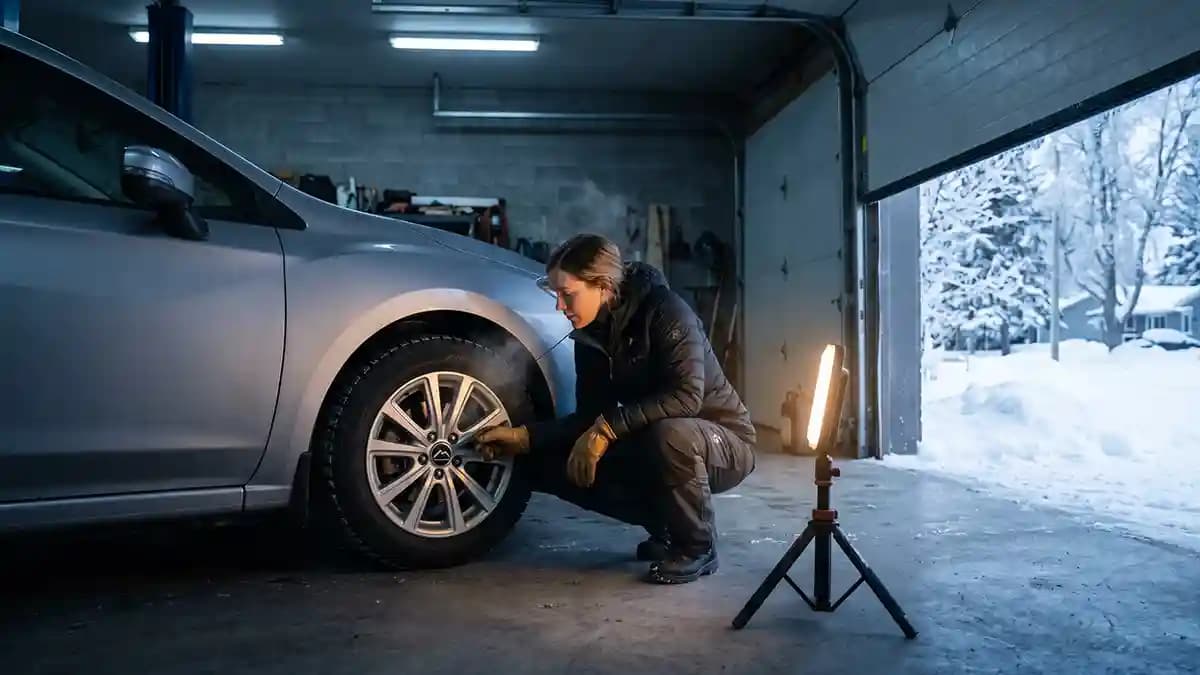
Application temperatures decide whether your sticker bonds like it means it or peels up later like a sad potato chip. The safe rule is simple, install domed stickers and wheel emblems when the sticker, the cap, and the air are around 10°C to 32°C, or 50°F to 90°F. I learned this after watching a nice set of center caps fail in a garage that felt like a fridge with tools in it. The owner blamed the sticker, but the real villain was the cold wheel sitting there like a frozen dinner.
A warm sticker on a cold cap is still a cold install. The adhesive does not care that you kept the decal in your house until five minutes ago, because the cold plastic or alloy cap steals heat fast. It is like putting warm butter on ice and wondering why it does not spread. That is why temperature is not a tiny note, it is the part that decides if your fresh badge stays put after wash day.
I see this most in winter garages, shaded driveways, and late night installs when someone finally has time after work. You clean the cap, peel the backing, press the sticker down, and it looks perfect. Then the edge lifts a week later and the whole job feels cursed. It was not cursed, it was cold.
Why cold hurts sticker adhesion
Pressure sensitive adhesive sounds fancy, but the idea is simple. It sticks best when it can flow into tiny surface marks on the cap. When the adhesive is too cold, it gets stiff and does not make full contact with the surface. Most vinyl film guidance puts the common application range around 50°F to 90°F, and adhesive makers explain that cold reduces tack because the adhesive becomes firmer and wets the surface less easily.
That is why a sticker can look fine on day one. Your finger pressure makes it sit flat, the dome looks glossy, and you walk away happy. Then cold air, water, and road grime find the weak edge. Once that edge moves, the install is already losing.
The warning signs are easy to spot.
The sticker feels hard instead of slightly flexible.
The backing liner feels stiff when you peel it.
The cap is cold to the touch.
The garage floor feels like a meat locker.
The adhesive grabs at first, then lets go when you rub the edge.
That last one is the sneaky one. It gives you hope, then steals it later. I have seen people press the same edge ten times and say, see, it is stuck. No, it is negotiating. And the sticker always wins the argument later by leaving.
The garage test I use before I peel anything
I do not start with the sticker. I start with the cap. If the cap feels cold against my knuckle, I stop and warm the area first. Your hand is not a lab tool, but it is good enough to stop you from doing something silly.
A cheap room thermometer helps too. Put it near the wheel, not on a shelf above your head where the air is warmer. Garages lie by height, just like people lie about fuel economy. The air by the roof can feel fine while the wheel is still sitting in cold air near the concrete.
Before I install any wheel emblems, I check five things.
Air temperature near the wheel.
Surface temperature of the cap.
Sticker temperature after storage.
Moisture on the cap face.
Wind or drafts near the install spot.
Moisture matters because cold air and warm hands can leave a tiny damp film on the cap. It can look dry and still act wrong. Tiny problems love wearing invisibility cloaks.
Warm the parts, not your ego
The fix is not dramatic. You need a clean cap, a warm sticker, and patience. Yes, patience is the part nobody wants to buy. But it is cheaper than redoing the job.
If the garage is too cold, I do this.
Bring the stickers inside for a few hours.
Clean the center caps before warming them.
Warm the cap gently with a hair dryer.
Keep the heat moving, never parked in one spot.
Touch the cap often so it feels warm, not hot.
Install the emblem while the surface is still warm.
Press from the center outward with firm, even pressure.
Hold pressure around the edge for a few extra seconds.
A hair dryer is safer than a heat gun for most people. A heat gun can turn a smart plan into a melted plastic crime scene fast. I have seen center caps warp because someone treated heat like a volume knob and cranked it. Warm is good, hot is dumb.
The 10°C to 32°C rule in plain English
The 10°C to 32°C range is not there to annoy you. It is there because pressure sensitive adhesive needs the right balance of softness and grip. Too cold, and the adhesive stays stiff. Too hot, and the part can stretch, slide, or grab too fast before you line it up.
I treat that range like a garage green light. Inside it, I clean, line up, press, and let the bond settle. Below it, I warm the parts and control the space. Above it, I work in shade because a sun baked cap can feel like a frying pan for ants.
Here is my simple temperature guide.
Below 10°C or 50°F, do not install unless you can warm the cap and keep it warm.
From 10°C to 18°C, install with care and use extra pressure at the edge.
From 18°C to 24°C, this is the sweet spot for most garage work.
From 24°C to 32°C, work calmly and line up before the adhesive grabs hard.
Above 32°C or 90°F, move into shade and cool the cap before installing.
Do not only check the weather app. Your garage, driveway, and wheel surface all have their own little climate. A black wheel in sun can be much hotter than the air. A wheel sitting on cold concrete can be colder than the air.
Cold weather installation mistakes I see all the time
The first mistake is storing the emblems in a cold mailbox, then installing them right away. Mailboxes are not storage rooms. They are little metal sadness boxes in winter. If your package arrived cold, let the emblems warm up inside before you touch the backing.
The second mistake is cleaning with alcohol, then installing while the cap is still cold and damp. Alcohol flashes off fast in warm air, but cold slows everything down. Give it time to dry. If the cap smells like alcohol, wait.
The third mistake is pressing once and calling it done. Domed stickers need firm contact across the whole adhesive area. I press the center first, then walk my thumb around the edge like I am sealing a tiny lid on a snack cup.
Watch for these errors.
Installing straight after delivery in winter.
Cleaning and sticking before the cap is fully dry.
Heating only the sticker, not the cap.
Touching the adhesive with fingers.
Installing on a curved or rough surface.
Washing the car too soon.
Testing the edge with a fingernail like a nervous squirrel.
That fingernail test is evil. Press it, leave it, and go bother something else.
How surface prep and temperature work together
Temperature will not save a dirty cap. A clean cap will not fully save a cold install. You need both. That is why I treat prep and temperature as one job, not two jobs.
The best surface is clean, dry, flat, and warm enough for the adhesive to make full contact. If your old emblem is peeling, remove it first and clean the residue. If you need help with that part, the guide on removing old wheel stickers without damaging your center caps fits right before this job. Starting on old glue is like building a house on pudding.
Here is my prep order.
Wash the cap with mild soap and water.
Dry the area with a clean microfiber towel.
Remove old glue or loose old emblem material.
Wipe with isopropyl alcohol.
Let the surface dry fully.
Warm the cap if needed.
Dry fit the emblem without peeling the liner.
Peel, place, press, and leave it alone.
Dry fitting is huge. Set the sticker on the cap with the backing still on. Check the edge. Make sure it sits inside the flat face, not on a lip or curve. One millimeter too large can ruin the look and the bond, which is a very small mistake with a very loud result.
What optimal bonding actually feels like
A good install has a certain feel. The sticker lands, grips, and stays where you put it. When you press around the edge, it feels settled, not springy. The dome looks like it belongs there, not like it is sitting on top of the cap trying to escape.
If you use premium domed emblems, the raised resin gives that clean factory style finish, but the adhesive still needs good contact underneath. The shine gets the attention. The bond does the work. Nobody praises the adhesive when it works, which is unfair because it is the quiet hero holding the whole thing together.
I also like to press with a clean microfiber over the dome. It spreads finger pressure and keeps fingerprints off the glossy face. Do not crush it like you are trying to start a lawn mower. Firm and even pressure wins.
After install, I leave the car alone as much as I can. No wash. No road salt bath. No pressure washer edge attack. Fresh adhesive needs calm time, not a stress test five minutes later. 3M notes that bond strength improves with time after application, reaching much more of its final strength after the first day and full strength later.
What to do if you already installed in the cold
Do not panic. Do not rip it off just because you read this and now feel guilty. First, inspect the edge in good light. If everything is seated and flat, warm the emblem gently and press the edge again with a microfiber.
If an edge is already lifting, be honest about it. A tiny fresh lift can sometimes be saved with warmth and firm pressure if the surface is clean. But once dust sticks to the adhesive, the bond is damaged. At that point, rescue turns into arts and crafts with disappointment.
Use this quick check.
Is the edge clean and flat?
Is there dust under the lifted part?
Was the cap clean before install?
Is the sticker the right size?
Is the cap face flat?
Did the car get washed right after install?
If the answers are bad, replacement is cleaner than rescue. I know that is not the fun answer. But a fresh sticker on a properly warmed and cleaned cap beats fighting a dirty edge forever. Your future self will thank you, probably while standing in a warmer garage.
For peeling issues, the deeper fix is in why your wheel stickers keep peeling off, because temperature is only one part of the failure chain. Dirt, wax, edge lift, bad sizing, and early washing all join the crime scene. But cold is the sneaky one because it hides behind a clean looking install.
Quick Q and A
Q: What are the best application temperatures for domed stickers?
The best practical range is about 10°C to 32°C, or 50°F to 90°F. The sticker, the cap, and the air near the wheel should all be in that range. Surface temperature matters more than the number on your weather app.
Q: Can I install wheel emblems in a cold garage?
Yes, but only if you warm the cap and sticker first. A cold cap can weaken sticker adhesion even when the room feels fine. If the cap feels cold to your hand, warm it gently before you peel the backing.
Q: Is a hair dryer safe for cold weather installation?
Yes, a hair dryer is usually the safer choice because it warms gently. Keep it moving and check the cap with your fingers often. You want warm, not hot.
Q: Why did my sticker stick at first and peel later?
Cold adhesive can grab enough to look good at first, then fail after road grime, water, or washing hits the edge. That weak first bond is the problem. Clean prep and correct temperature fix most of it.
Q: Should I heat the sticker or the wheel cap?
Heat both if they are cold, but the cap matters most. The adhesive bonds to the surface, so the surface needs to be warm, clean, and dry. A warm sticker on a cold cap is still a bad setup.
Q: How long should I wait before washing after installation?
Give the emblem at least one calm day before any wash, and longer is better in cold weather. Avoid pressure washing the edge early. Let the adhesive settle before you test it.
Final word from the cold garage
Application temperatures are the boring detail that saves the whole job. You can buy the right size, pick the perfect design, clean the cap well, and still lose if the surface is too cold. That is the annoying truth. But it is also good news because the fix is easy.
Warm the sticker. Warm the cap. Dry the surface. Press the edge like you mean it. Then leave it alone. Do that and your wheel emblems stop acting like temporary decorations and start looking like they came with the car.