
Avoiding Air Bubbles With The Rolling Method Of Sticker Application
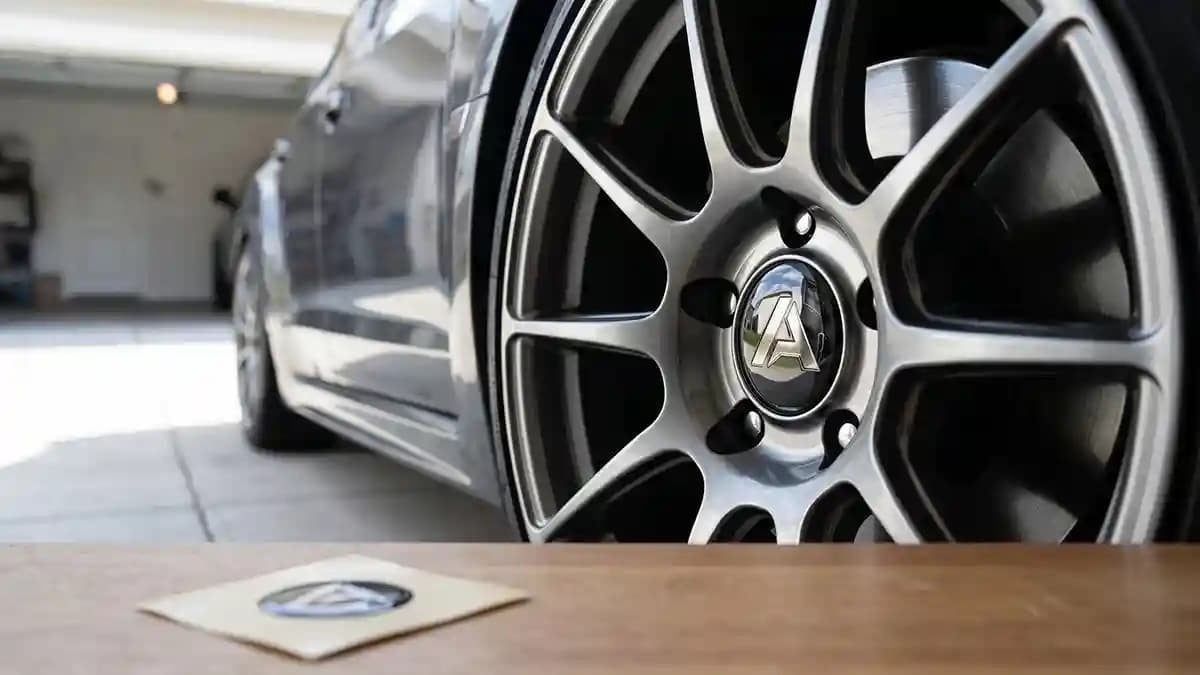
Air bubbles are beaten by the rolling method because you control the sticker from one edge to the other instead of dropping the whole thing down like a pancake. I learned this after ruining a big domed decal that looked perfect in my hand and terrible on the cap five seconds later. The bubble sat right under the clear dome, fat and smug, like it paid rent there. That is why I use slow pressure, a clean surface, and a rolling motion every time I install large domed decals now.
Most people blame the sticker first. I get it, because nobody wants to admit they rushed a tiny job and hoped physics would be polite. But air does not sneak in through magic. You trap it when the adhesive touches too much surface too soon.
I was in the garage last week with a customer cap, a fresh emblem, and a cup of coffee I should not have put near the workbench. The cap was clean, the size was right, and the decal had that glossy look that makes you feel good before the install even starts. Then I watched my hand move too fast, and I stopped myself like I was about to touch a hot pan. Slow down, dummy.
Why air bubbles show up under domed decals
A flat sticker can hide a tiny bubble for a while. A domed sticker tattles on you right away. The clear top acts like a lens, so even a small pocket of air looks bigger than it is. It catches light, bends the reflection, and suddenly your fresh badge looks like it has a little fish egg under it.
This gets worse with large domed decals because there is more surface area to land wrong. More width means more chances for the adhesive to grab before you guide the air out. A small 20 mm badge is easy to tame. A bigger wheel center cap emblem needs a plan, or it will fold your confidence into a sad little napkin.
Here is what usually causes the mess:
• Dirty surface that traps dust under the glue
• Grease from fingers near the edge
• Cold material that does not bond smoothly
• Sticker dropped flat all at once
• Weak pressure that leaves air paths behind
• Lifting and pressing again too many times
That last one hurts people. They see one bubble, panic, peel the whole decal back, and try again. Then the adhesive gets stretched, touched, or dirtied, and the second try looks worse than the first. This is how a five minute job becomes a tiny garage soap opera.
The rolling method sticker application idea in plain words
The rolling method sticker application is simple. You expose only a small part of the adhesive, set that part down straight, then roll the rest into place while pushing air ahead of the sticker. Think of closing a sleeping bag, not throwing a rug on the floor. The air needs one clear way out.
Professional graphic installers use the same basic logic with bigger films. Current 3M guidance says smooth installs depend on firm pressure, narrow passes, starting near the center when possible, moving toward the edges, and overlapping each pass by about 50 percent. That matches what I see on wheel caps too, just on a smaller and rounder battlefield.
The part people miss is pressure. Not wild pressure. Not angry pressure. Just steady pressure that tells the adhesive, yes, you live here now. If you float over the surface like you are petting a nervous hamster, air stays under the sticker.
Prep decides if smooth sticker installation works
Smooth sticker installation starts before the backing paper comes off. I know that sounds boring, but boring is where the win lives. You can have the best motion and still fail if the cap is oily, dusty, cold, or shaped wrong. Bad prep hides behind most bad installs.
Avery Dennison says application temperature is one of the most critical factors for pressure sensitive films, and lower temperatures reduce adhesion, which raises the chance of problems. It also notes that warmer or humid conditions can make graphics harder to reposition after contact. So yes, the garage matters. Your sticker is not being dramatic, it just hates bad conditions.
Before I install a wheel center decal, I check this list:
• The cap face is flat enough for full edge contact
• The size lands inside the flat area, not on a bevel
• Old glue and wax are fully gone
• The surface feels dry, not slick
• My hands are clean
• The decal has sat at room temperature
• The wheel is not hot from driving
That last one matters more than people think. A warm cap can make the adhesive grab too fast. A cold cap can make it act lazy. Neither one helps when you are trying to guide air out cleanly.
If you are ordering new domed emblems, measure the landing area first and give yourself a clean flat target. I like a sticker that sits inside the flat circle by a hair, not one that fights the rim of the cap. One tiny lip under the edge is enough to start trouble later. That is not a design flaw, that is the cap telling you no.
The tools I use when bubbles are not invited
You do not need a giant installer kit to do this right. You need control. The right tools just make control easier, and they stop you from pressing the dome with some random metal thing. I have done that once. My soul still remembers the sound.
Use this simple setup:
• Microfiber cloth for the first clean
• Isopropyl alcohol wipe for grease and residue
• Painter tape for alignment marks
• A soft squeegee or wrapped plastic card
• Nitrile gloves if you touch adhesive by accident
• A clean towel under the cap if it is off the wheel
• A pin or air release tool only for rescue work
Do not attack a bubble with a knife. 3M tells installers to puncture a bubble at one end with a pin or air release tool and not to use a razor blade or knife. That is good advice for domed decals too because a blade turns a small bubble into a crime scene. And yes, the sticker always loses that fight.
Step by step rolling method for large domed decals
I use this exact method when the decal is large enough to trap air. It works on wheel center caps, product badges, panel labels, and smooth hard parts with a flat landing zone. Take your time and the job feels easy. Rush it and you will invent new words your family should not hear.
Dry fit the decal first
Place the decal on the cap with the backing still on. Check that it sits centered and does not climb onto any raised lip. Turn the cap under the light and look at the edge from all sides. If the edge touches a bevel, stop and use a smaller size.
Mark the position with tape
Use two small pieces of painter tape as visual guides. I like one at the top and one at the side because it keeps my brain from guessing. Do not tape over the adhesive area. The tape is only there to help your eyes.
Peel back a small strip of liner
Do not remove the whole backing. Peel only a small section from one edge, just enough to tack the decal in place. Keep your fingers away from the glue. Finger oil is sneaky, and it acts innocent while ruining your day.
Tack the first edge down
Line up the decal with your tape marks and press the exposed edge onto the surface. Press from the middle of that edge outward. This gives the sticker an anchor. Do not press the rest yet.
Roll and press forward
Hold the free part of the decal up so it curves gently away from the cap. Use your thumb, a soft squeegee, or a wrapped card to press from the attached edge toward the loose edge. Move in small strokes and overlap each stroke so no strip is missed. Let the air run ahead of your pressure until it escapes out the open side.
Finish the edges last
Once the full face is down, press the edge all the way around. Use steady pressure, not stabbing pressure. I usually do two full laps around the outside. That edge is what keeps water, dust, and wash pressure from starting a fight later.
Leave it alone
This is the hardest step because humans love poking shiny things. Leave the decal alone after install. Do not wash it right away. Do not test the edge with your nail like a raccoon checking a lunch box.
What to do if a bubble still appears
A tiny bubble is not the end of the job. First, give it a gentle push toward the nearest edge with your thumb wrapped in a clean cloth. Work slowly, not like you are trying to win a thumb wrestling match. If the bubble sits near the center and will not move, use a fine pin at the edge of the bubble, then press the air toward that tiny hole.
Here is my bubble rescue order:
Press gently toward the nearest edge
Warm the decal slightly with your hand, not a heat gun first
Press again with a clean cloth
Use a pin only when the bubble will not move
Press from the far side of the bubble toward the pin hole
Stop touching it once it lays flat
Notice what is not on the list. Peeling the decal off and starting over is not there. That is a last resort, and with thick domed stickers it usually creates more harm than help.
When the rolling method will not save you
Real talk for a second. The rolling method is not magic. It will not fix the wrong size, a dirty cap, a deep bowl shape, old wax, loose paint, or a cracked plastic surface. If the sticker cannot sit flat, it cannot bond flat.
This is where people lose money. They buy a nice badge, place it on a curved cap, see the edges hover, then blame the adhesive. Adhesive is strong, not psychic. It needs contact to work.
The rolling method works best on flat wheel center cap faces, smooth plastic caps, painted metal panels, product badges, and key fob recesses with flat centers. It struggles on deep concave caps, rough textured plastic, soft rubber, waxed surfaces, flaking paint, and hot wheels just after driving.
If your cap shape is the real issue, read Why Your Wheel Stickers Keep Peeling Off before blaming the new emblem. That problem often starts with surface shape, surface prep, or size, not the sticker itself. I would rather you fix that before ordering than spend money twice. Nobody needs a second round of the same headache.
Why domed stickers make the finish worth the care
A good dome rewards careful hands. The clear raised layer gives depth, gloss, and that badge like look you do not get from a thin flat print. You can see that same layered process in How It’s Made, where print, cut, doming, curing, and final checks all matter. The install should respect that work.
That is also why I like using the rolling method on premium pieces, not just on huge graphics. A badge like a WRC domed sticker looks best when the reflection is clean from edge to edge. For more background on the clear raised layer, read What Are Domed Resin Stickers. The dome does not just protect the print. It makes every tiny install flaw more visible, so the method matters.
Quick Q and A
Q: What is the best way to avoid air bubbles when applying stickers?
Use the rolling method. Anchor one edge, keep the rest lifted, and press forward in small overlapping strokes. This pushes air out before it gets trapped.
Q: Can I remove a domed sticker and try again if bubbles appear?
Try not to. Lifting a thick domed decal can stretch it, dirty the adhesive, or weaken the edge. Push the air out first, and use a tiny pin hole only when gentle pressure fails.
Q: Why do bubbles look worse under a domed sticker?
The clear dome acts like a lens. It makes light bend over the trapped air, so the bubble looks more obvious than it would under flat vinyl. That is why slow pressure matters.
Q: How long should I wait before washing after installing a domed emblem?
Give it at least 24 to 48 hours before washing, and be gentle around the edges after that. The adhesive needs time to build strength. Do not blast the edge with a pressure washer unless you enjoy making your own problems.
The rolling method is boring in the best way. It slows your hands down, gives air a path out, and turns a risky slap into a clean install. Do it right once and you stop fearing big domed decals. Line it up, roll it down, press the edge, and walk away before your fingers get curious again.