
Forged Carbon: The New Frontier in High Performance Emblems
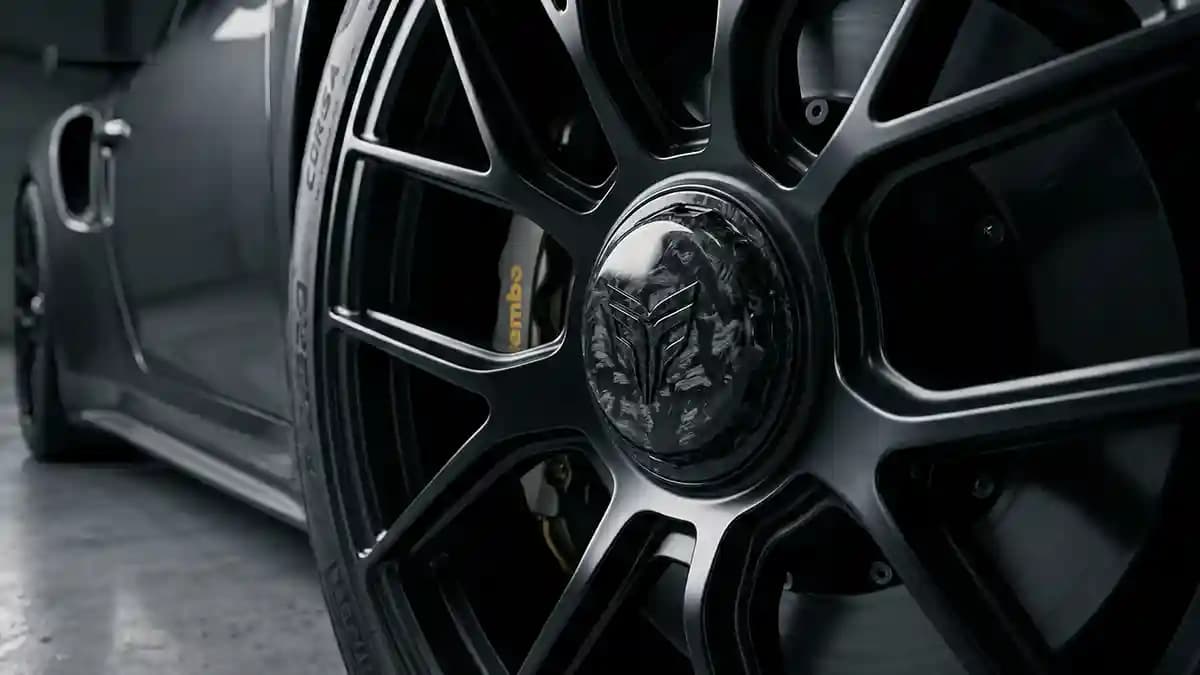
Forged carbon emblems are the new frontier in high performance style, and yeah, I think they earn the hype when the rest of the car can carry them. I was staring at a set of sharp aftermarket wheels last week, the kind with knife edge spokes and zero patience for boring details, and the old woven carbon badge in my hand suddenly looked too tidy. That was the whole point. Forged carbon has a rougher, meaner, more modern face, so on the right build it looks less like costume jewelry and more like it belongs there.
The funny part is that forged carbon usually wins for the same reason some wheels look amazing in photos and weird in a parking lot. Order matters. Woven carbon has that neat little checker pattern people know, and when it works, it really works. But on a hard edged wheel, a stealth cabin trim piece, or a track minded badge setup, forged carbon looks less precious and more serious. It feels like the carbon look grew up, hit the gym, and stopped asking for approval.
What forged carbon actually is
Here is the plain English version. Forged carbon is made by pressing short, randomly oriented carbon fibers and resin into a mold, which is why it does not show the tidy woven pattern you see on classic carbon fiber parts. That random layout is also why the surface looks marbled, cloudy, and a little chaotic in a good way. Lamborghini describes Forged Composites as an advanced composite with a new molding process, and engineering sources explain the look as chopped carbon compressed into complex shapes under heat and pressure.
That matters for emblems because you are not staring at a hood or a roof from ten feet away. You are staring at a tiny badge from right next to the wheel, or from the driver seat when sunlight hits the trim just right. On small surfaces, old school woven carbon can look busy fast, almost like a tiny checkerboard got trapped under glass. Forged carbon breaks that pattern up. The result is deeper, less repetitive, and way more forgiving when the badge is small.
I look at it like this.
Woven carbon looks precise and technical.
Forged carbon looks raw and expensive.
Woven carbon likes cleaner, more classic shapes.
Forged carbon likes sharp, modern, performance focused parts.
Woven carbon says race car brochure.
Forged carbon says prototype part that somehow ended up on your street car.
Why car people keep coming back to it
This is not some fake trend made by phone case ads and bad filters. Lamborghini says development of Forged Composites started in 2008, then formally launched the technology in 2010, the same year that pushed the Sesto Elemento idea into the spotlight. It later showed up in the Huracán Performante, where Lamborghini highlights forged composite parts in the spoilers, interior pieces, and aerodynamic structures, and the current Revuelto still uses Forged Composites in its front structure. So no, forged carbon is not old news that already died, it is still sitting inside real halo cars right now.
There is also a practical reason brands keep using it. Lamborghini says Forged Composites opened the door to integrated geometries, maximum flexibility, and molding cycles of about three minutes, which is a fancy way of saying it can suit shapes that are awkward for traditional laid carbon. Revuelto material notes also point to lower carbon fiber scrap and lower energy and water use for that forged composite front structure. I am not telling you a wheel badge is saving the planet. I am saying the material has real manufacturing logic behind the look, which is why enthusiasts keep taking the style seriously.
Why forged carbon works so well on emblems
Small badges need one thing more than anything else. Visual punch. A wheel emblem is tiny, low to the ground, covered in brake dust half the week, and constantly surrounded by shapes that are already fighting for attention. That is why forged carbon works. The marbled look gives motion even when the car is parked, and once you put a clear dome over it, the pattern starts to look deeper instead of flatter.
I learned this the dumb way. I held a glossy woven carbon center cap sticker next to a forged carbon one on the same dark gray wheel, and the woven one looked nice but polite. Too polite. The forged carbon version looked like it had a pulse. Same size, same dome, same light, but one had way more attitude.
Here is where I think forged carbon emblems hit hardest.
Black, gray, silver, and dark blue cars with modern wheel designs.
Aggressive spoke wheels that already have a sharp, technical shape.
Builds with gloss black trim, smoked lights, or dark brake hardware.
Interior badges where you want texture without loud color.
Performance brands and tuner setups that already lean modern.
[AI Image Prompt: Realistic close up automotive product photo of four wheel center cap emblems on a dark gray forged alloy wheel, two showing classic woven carbon texture and two showing forged carbon marbled texture, thick glossy resin dome, crisp reflections, premium garage lighting, shallow depth of field, high detail, no text, no watermark.]
Where people mess this up
Forged carbon is not magic. It does not fix a weak design, a bad logo, or a cap that is the wrong size by 1 mm. And trust me, 1 mm is enough to make a round badge look like it lost a bar fight. The fastest way to make forged carbon look cheap is to slap it onto a soft, rounded, old fashioned wheel face that wanted a cleaner badge in the first place. That is like wearing race boots with pajama pants, the parts are not bad, the combo is.
The next mistake is stacking too many “performance” cues in one place. Forged carbon cap, red ring, bright logo, colored valve cap, big brake decal, and a random accent stripe, now your wheel looks like it ate the whole accessory catalog. Forged carbon works best when it is allowed to be the texture, not the circus. You want one strong signal, not six loud cousins yelling at each other in the driveway.
My filter is simple.
If the wheel is classic or vintage, I usually skip forged carbon.
If the car already has a lot of pattern, I usually skip forged carbon.
If the badge area is tiny, forged carbon can work better than weave.
If the build is all about stealth, forged carbon often beats bright logos.
If the cap face is curved or rough, no finish saves the install, wrong surface is wrong surface.
Forged carbon versus woven carbon on real cars
This part saves money. Woven carbon still looks better on plenty of builds. If the car has cleaner lines, brighter paint, or a more OEM plus feel, the neat weave can look sharper and more intentional. I still like woven carbon on classic BMW shapes, cleaner Porsche style setups, and wheel designs that have more symmetry than aggression. On those cars, forged carbon can feel like you tried too hard.
But when the car goes harder, forged carbon starts making more sense. Think darker AMG builds, sharper Audi setups, aggressive GR or hot hatch wheel packages, or interiors that already mix gloss black with metallic trim. On those cars, a marbled badge looks current. Not trendy, current. There is a difference, and your eye knows it before your brain does.
If you want the quickest comparison, use this.
Choose woven carbon when the car looks clean, classic, or factory plus.
Choose forged carbon when the car looks sharp, dark, and more technical.
Choose woven carbon when the badge needs to read clearly from farther away.
Choose forged carbon when texture matters more than logo contrast.
Choose woven carbon when the wheel design is simple and elegant.
Choose forged carbon when the wheel design already looks like it was drawn with a knife.
How I would spec it on a few common build types
On a stealth sedan or coupe, I would pair forged carbon emblems with gloss black trim and leave the rest alone. No red ring. No bright outline. Just a dark marbled face under a clean dome so the texture wakes up when the light moves. If I wanted a softer or more classic look, I would send people to the article on Domed Stickers vs Vinyl Decals for Wheel Caps first, because material choice matters as much as the print.
On a louder performance build, I would still keep one rule, the forged carbon should be the special part, not just another detail fighting for oxygen. A dark wheel center with the right marbled pattern can do more than a bright badge that screams from thirty feet away. For inspiration, the piece on 10 Wheel Styling Ideas That Actually Look Good on a Daily Driver is useful because it keeps coming back to balance instead of noise. That is the same rule I would use here.
And if you are shopping instead of just daydreaming, I would start on the shop page, then look at a couple of sharper badge directions like the Mercedes BRABUS emblem or the Toyota GR badge emblems. Not because those are forged carbon by default, they are not, but because they show the kind of modern, performance leaning logo language that forged carbon suits really well. And both product pages keep the practical part front and center, domed resin construction, size choice, and flat surface use.
Fit still beats finish every single time
This is where people get distracted by the pretty part and ruin the whole job. You can pick the perfect forged carbon pattern, nail the gloss level, and still end up with a badge that looks off because the size is wrong or the landing zone is not truly flat. Impossible Stickers product pages keep repeating the same boring truth, these emblems are for flat surfaces, and the wider shop also makes size based shopping easy because the whole game is really about matching the visible face properly. Boring wins again.
I would rather see a plain gloss black emblem that fits dead right than a forged carbon one hanging over an edge by half a millimeter. Same goes for install. Clean the cap, line it up from straight on, press it down evenly, and then leave it alone long enough to bond. Most “bad materials” are really bad prep, bad fit, or bad patience wearing a fake mustache.
My short install routine looks like this.
Measure the flat visible face, not the outer lip.
Make sure the cap face is actually flat enough for a dome.
Clean off wax, tire shine, brake dust, and old glue.
Dry fit the badge before you peel anything.
Press from the center out so the edge lays clean.
Give the adhesive a little peace before the next wash.
So, is forged carbon worth it
Yeah, on the right build, forged carbon emblems are worth it. Not because the phrase sounds expensive, and not because somebody online told you everything needs carbon now. They work because the marbled pattern feels more modern than classic weave, more alive on small surfaces, and more believable on sharp performance builds. When the wheel design, trim level, and badge shape all agree, forged carbon looks like one of those tiny changes that makes the whole car feel newer.
That said, forged carbon is not the answer to every wheel center on earth. Some cars want the cleaner rhythm of woven carbon. Some want plain gloss black. Some want no pattern at all, because restraint is what makes them look expensive. That is the real move, pick the finish that matches the build, then size it right, install it right, and let the details do their job.
Quick Q and A
Q: Do forged carbon emblems look better than woven carbon emblems?
Not always. Forged carbon usually looks better on sharper, darker, more modern builds, while woven carbon often suits cleaner and more classic setups.
Q: What makes forged carbon look different?
The pattern comes from short carbon fibers pressed in random directions with resin, so the surface looks marbled instead of woven. That broken up texture is why it feels deeper and less repetitive on small badges.
Q: Is forged carbon just a style trend?
No, there is real engineering behind it. Lamborghini has used Forged Composites from the Sesto Elemento era through the Huracán Performante and into the current Revuelto structure, so the material is still relevant in serious performance cars.
Q: Does forged carbon work on wheel center caps?
Yes, if the cap face is flat, the size is right, and the rest of the wheel design suits the look. Small badges are actually one of the places where forged carbon can shine because the marbled texture stays interesting up close.
Q: What is the biggest mistake people make with forged carbon badges?
They focus on the finish and ignore the fit. A perfect pattern on the wrong size cap still looks wrong, and a bad install will make any premium emblem look cheap.