
Winter Maintenance: Protecting Your Emblems from Corrosive Road Salt
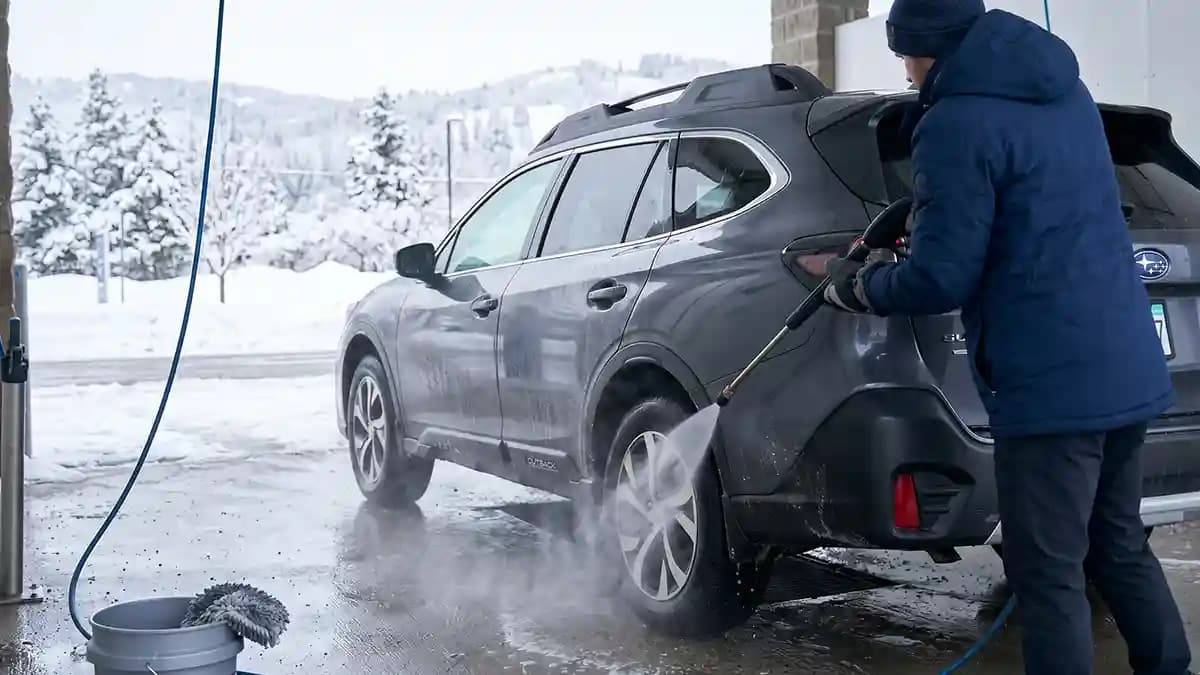
Winter maintenance protects your emblems from corrosive road salt by keeping salty wet grime off the badge edges before it dries into crust. That is the clean answer to the title, and it is less fancy than people want it to be. You do not need a magic spray, a secret garage chant, or a towel blessed by a car detailer. You need smart rinsing, mild soap, dry edges, and a tiny bit of patience before winter turns your wheel caps into sad crackers.
Last week I was standing behind a gray SUV in a slush covered lot, and the wheels looked like they had been dipped in powdered doughnut mix. The center caps were still there, but the emblems had a white ring around each edge. That ring is the problem. Not the snow, not the cold, the salty crust sitting right where adhesive and plastic meet.
AAA warned in February 2026 that road salt can speed up rust under a vehicle, and that damage often hides out of sight until it gets expensive. They also advise washing at least every two weeks in salt season, more often after salted roads, with a rinse first and underbody sprays when you can get them. I care about that same idea on emblems, because the small edge around a badge is just a tiny version of the same fight. Salt gets wet, sits there, and acts like a rude little goblin with a chemistry set.
Why road salt protection starts at the emblem edge
The face of a domed emblem is not where winter wins. The edge is where winter wins. That tiny rim catches salt, brake dust, soap film, old wax, and whatever brown soup flew off the truck in front of you. Leave that stuff there long enough and it turns into grit that works against the edge every time you wash, wipe, or blast it.
Here is what is really happening on a snowy drive.
Salt water splashes onto the wheel center.
Brake heat dries it into a white crust.
More slush lands on top and wakes it back up.
Dirt sticks to the damp salt like glitter on glue.
The grime packs itself around the badge edge.
That is why I do not treat emblem care like normal wheel cleaning. A wheel barrel can be ugly and still work fine. A center cap emblem is a small visual target, and your eye spots a lifted edge like it spots a crooked picture frame. One tiny lift makes the whole wheel look tired, even if the tire shine is so glossy it scares birds.
The quality promise says wheels live with heat, water, salt, dust, and road grime, and that harsh cleaners, hard scrubbing, and close pressure water at an edge are the big enemies. That matches what I see in the garage. The best emblem does not fail because snow touched it once. It fails because dirt, salt, bad prep, and abuse stack up until the edge finally says nope.
The winter emblem care routine I trust
I have a rule for winter wheels. Clean enough beats perfect. If you chase showroom shine every time it snows, you will quit by January. Then you start saying things like, it is just a car, which is how sadness starts.
Use this simple routine when the roads turn white.
Rinse first with plain water.
Aim across the emblem, not into the edge.
Use mild car shampoo, not harsh wheel acid.
Wipe the center cap with a soft microfiber towel.
Dry the emblem edge instead of letting salty water sit there.
Check the edge with your finger, gently, no picking.
The rinse first part matters more than people think. If you rub salty grit across the dome dry, you are using the road as sandpaper. I learned this years ago on a black wheel cap that looked clean until the sun hit it. The scratches showed up like a cat had tap danced on it.
When the car wash has an underbody option, use it. AAA puts undercarriage cleaning high on the salt care list because the underside holds the worst junk. Your wheel centers are not the undercarriage, but they catch the same wet mess. If you already paid for the wash, give the emblems thirty extra seconds with your towel.
Do this after a heavy salt drive
Some drives are worse than others. A dry cold day on clean roads is one thing. A wet drive behind salt trucks is a different animal, like your car got sneezed on by a sidewalk. That is when a quick rinse saves you later.
After a heavy salt drive, I use this order.
Let the wheels cool if you just drove hard.
Rinse loose salt before touching the emblem.
Wash with mild soap and a soft mitt or towel.
Rinse again until the white film is gone.
Dry the center cap face and the badge edge.
Look for grit stuck at the lower edge.
Do not attack the badge with a stiff brush. That is how people turn care into damage. A soft brush on the wheel face is fine, but the emblem edge is not a grill grate. Treat it like a phone screen that lives near brake dust, which is a stupid job for a phone screen, but now you get the idea.
If the crust is packed in a tight seam, soak it first. Warm water on a towel works better than rage. Press the towel on the emblem for a minute, then wipe outward. If you dig at the edge with your nail, you are not cleaning anymore, you are starting a tiny knife fight.
Corrosive salt hates clean dry edges
Like you see above, the edge is the whole story. A raised dome sheds water better than a flat lip, but the edge still needs help when salt gets thick. The trick is not to baby the car like a museum piece. The trick is to stop salty water from drying at the seam over and over.
Here is my quick winter check.
Does the edge look white after it dries?
Does the lower edge feel gritty?
Did a pressure washer hit the edge up close?
Did tire shine or wax touch the badge area?
The last one gets people. Tire shine travels. Wax smears. Those slick products feel harmless, but adhesive hates oily film. If you plan to install fresh emblems during winter, clean the cap like you are about to eat off it, then remember wheels are gross and do not eat off it.
3M says most bonding surfaces for VHB tape do best with a 50 to 50 mix of isopropyl alcohol and water before application, and the surface needs to be clean and dry. That is the same basic prep logic I use for center caps. Soap removes dirt, alcohol removes film, and dry time stops water from being trapped under an edge.
Cold weather makes bad prep worse
Cold is not just uncomfortable for your hands. Cold makes adhesive less friendly. Avery Dennison said in a January 2026 winter install guide that road salt and deicing agents need to be washed off before applying vinyl, because that residue can interfere with adhesive performance. The same guide says the average minimum temperature for applying vinyl to a surface is 50°F, with some product and surface differences.
That means your freezing driveway is not the hero of this story. If you install emblems at 22°F with wet caps and numb fingers, the sticker is already mad at you. It wants a clean, dry, warm surface and firm pressure. You want to get back inside because your ears hurt.
Here is the winter install rule I use.
Bring the caps inside if they pop out easily.
Let the emblem and cap warm up first.
Clean with soap, then alcohol.
Let the surface dry fully.
Press the center, then press the full edge.
Keep it dry before the next wash.
The FAQ says the adhesive holds through heat, rain, and winter road salt when the surface is prepped right and the emblem is applied to a flat face. It also says to wait at least 24 hours before any wash and 48 hours before an automated wash. That is not filler advice. That is the difference between a badge that bonds and a badge that waves goodbye in the rinse bay.
What not to use on winter emblems
I get why people reach for strong cleaners. Road salt makes wheels look awful. You spray one angry purple wheel cleaner, watch it bleed like a horror movie, and feel like a pro for nine seconds. Then the emblem edge gets cooked, because the cleaner was not meant to sit there.
Here is where I slow down.
Do not use strong solvents on the emblem face.
Do not scrub the edge with stiff bristles.
Do not aim a pressure washer straight at the seam.
Do not wipe dry salt with a dry towel.
Do not coat the badge edge with tire shine.
Do not install over wax, oil, or damp grime.
Normal car shampoo is boring, and boring is good here. The goal is to remove salt, not punish the wheel for having feelings. If a cleaner is made to attack baked brake dust, keep it away from the badge edge or rinse fast. I have seen people blast a perfect emblem loose, then blame the sticker like the wand was not set to angry dragon mode.
The factory emblems fall off problem is not just about cheap parts. Heat, salt, water, and washing habits all gang up on small badges. If your factory badge already has lifted chrome or cloudy film, winter will not be kind. It is better to spot the weak edge early than pretend it is fine until one cap looks naked.
When emblem care becomes emblem rescue
Sometimes cleaning is not enough. If the edge is already lifted, winter grime will keep sneaking under it. You can wash the face all day, but that little raised lip becomes a salt scoop. It is like leaving your garage door open an inch and acting shocked when leaves move in.
Look for these warning signs.
A white salt ring comes back right after drying.
One edge feels raised when you glide a finger over it.
The print looks cloudy under the dome.
Water sits under the clear layer.
The emblem slides or twists when pressed.
If you see one small dirty edge, clean and dry it. If you see lifting around half the badge, stop fighting it. Pulling, gluing, and praying often makes a mess. A fresh flat surface with a fresh emblem beats a half saved badge that looks like it survived a raccoon attack.
This is where the sticker lifting at the edges guide earns its keep. Lifting usually comes from surface film, curved caps, touching the adhesive, washing too soon, or blasting the edge up close. Those causes sound small, but they add up fast in winter. One mistake is annoying, three mistakes make the emblem leave.
Replacement is not failure
I like saving parts. I also like knowing when a part is done. There is no medal for keeping a cooked emblem alive with old glue and hope. If the badge is cloudy, bent, missing resin, or lifting after cleaning, replace it and spend your energy keeping the next one nice.
A clean replacement starts with the right size and the right surface. The how it is made page shows the basic flow, print, cut, dome, cure, and quality check. That matters because winter does not forgive sloppy edges. A clean circle, a stable dome, and a flat cap face give you a better shot before the first salt truck rolls by.
When you shop for wheel emblems, measure the flat landing area instead of guessing from the car brand. A 1 mm miss looks huge on a wheel center. I have seen people ignore that gap and then stare at it every time they walk to the car. Wheels are rude like that, they show you your mistakes at knee height.
Before you stick the new emblem down, do one last winter check.
The cap is flat.
The cap is clean.
The cap is dry.
The cap is warm enough.
Your hands are clean.
The emblem is centered before pressure.
The edge is pressed all the way around.
That last press is the part people rush. They push the middle and call it done. The middle is not what peels first. Press the full edge like you are telling winter, not today, you salty little gremlin.
FAQ
How often should I rinse road salt off wheel emblems?
Rinse after heavy salt drives and do a fuller wash when the weather gives you a safe window. If your roads stay white for weeks, check the badge edges every few days. The goal is not perfect shine, it is stopping crust before it hardens.
Can I use a pressure washer on domed emblems in winter?
Yes, but keep distance and do not aim straight at the edge. Spray across the face instead of under the seam. Up close pressure water is how good emblems get bullied.
Should I wax over wheel emblems for road salt protection?
I do not wax over the badge edge. Wax can leave slick film where you want clean grip. Wax the wheel if you like, but keep the emblem edge clean and dry.
Can I install new emblems in cold weather?
Yes, but warm the cap and emblem first and keep the surface dry. Aim for a warm garage or bring removable caps inside. Cold adhesive on a salty cap is a bad little science fair.
What is the biggest winter maintenance mistake?
The biggest mistake is letting salt dry at the emblem edge again and again. The second biggest is blasting that same edge with a pressure washer. Clean, dry, and gentle wins here.