
Carbon Fiber Aesthetics: 3D, 5D, and 6D Domed Textures
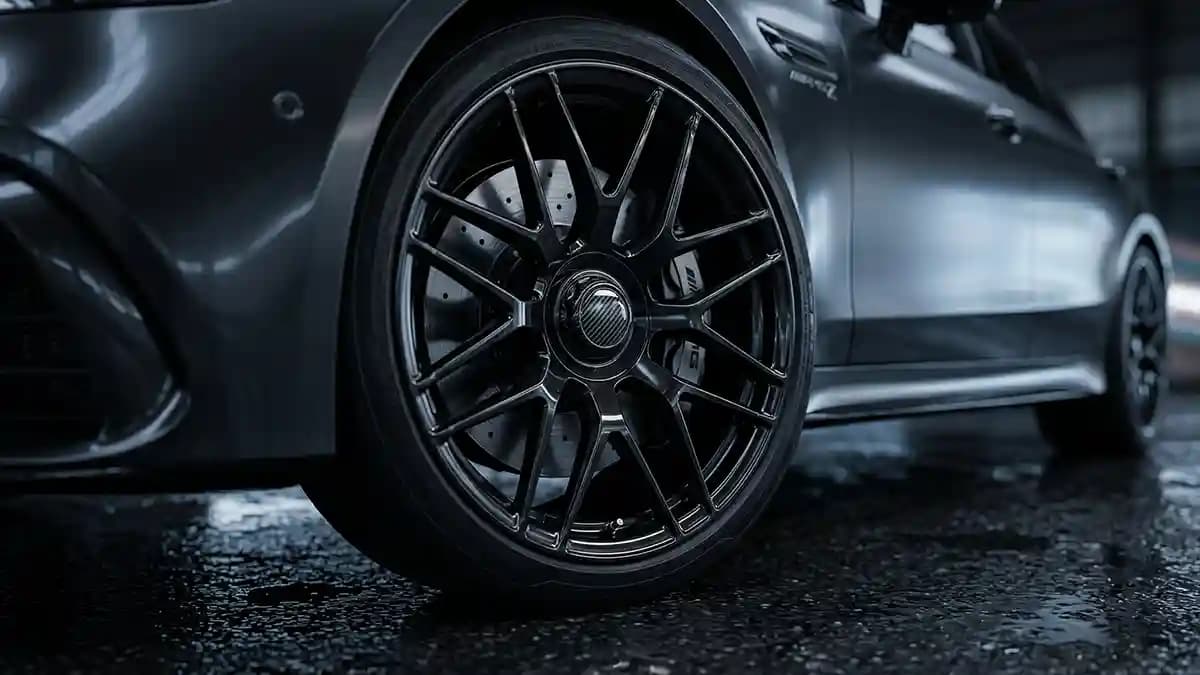
Carbon fiber aesthetics in 3D, 5D, and 6D domed textures come down to one simple truth, you are choosing texture, gloss, and visual depth, not some magic secret finish, and for most wheel builds 5D gives the nicest balance while 3D stays subtle and 6D goes full peacock. I had three sample caps on my bench the other day and the difference was obvious the second I tilted them under the shop light. One looked calm and tidy, one looked rich and glassy, and one looked like it wanted its own Instagram account. That is the straight answer right up front.
I learned this the annoying way, same as most good lessons. A customer sent me a photo of his freshly cleaned wheels and asked why his new carbon center looked “cheap but shiny.” That wording cracked me up because I knew exactly what happened before I even zoomed in. The finish was too loud for the rest of the car, so the badge was screaming while everything around it was still talking in a normal voice.
The part nobody says out loud
The 3D, 5D, and 6D labels sound technical, but in the wrap market they are mostly sales language used to describe how much texture, gloss, and fake depth a carbon look film gives you. Official wrap makers like 3M and Avery Dennison clearly sell textured carbon films, but the jump from 3D to 5D or 6D is not a universal engineering scale carved into stone. It is closer to a shared market shorthand that helps buyers picture the finish before they touch it. That matters because people shop with their eyes first and their brain second.
Here is my driveway cheat sheet for reading the labels without getting lost.
3D usually means visible weave texture and lower shine.
5D usually means the same carbon idea with more gloss and more wet look depth.
6D usually means maximum shine and a more dramatic optical effect that reads flashy fast.
The higher number does not mean stronger, smarter, or more factory correct by default.
That last point saves people money. I have seen stock daily drivers look perfect with a quiet 3D carbon cap, and I have seen expensive builds look weird with a hyper glossy 6D insert that fought every other trim piece on the car. Finish choice is styling, not bragging rights. If the rest of the build is calm, your wheel center should not act like it just drank six espressos.
What 3D carbon actually looks like
3D carbon is the easy one to understand because it leans on texture more than shine. The weave feels more tactile, the surface reads more matte or semi matte, and the whole thing looks closer to a motorsport inspired trim piece than a jewelry piece. Official carbon wrap lines from Avery and 3M lean heavily into textured finishes, and 3M even notes that carbon films show the most texture and a directional look under certain lighting. That is why 3D carbon feels honest when you want a subtle performance cue instead of a glossy flex.
3D usually wins in these situations.
A daily driver with black trim and no flashy exterior parts
Older OEM wheels that need a cleaner look, not a louder one
Interiors, key fobs, and smaller badge areas where too much gloss looks toy like
Cars that already have enough shine from polished paint and bright wheels
I like 3D when the car has discipline. BMWs with shadowline trim, older Audis, clean Volkswagens, and understated Mercedes builds can all wear it well. The finish says performance without waving a giant flag out the window. It is the guy at the party wearing a nice black jacket, not the guy in a sequined suit doing donuts in the parking lot.
Why 5D gets so much love
5D is where a lot of people land once they see it in person, because it gives you the carbon pattern but adds the richer, smoother, wetter look people expect when they say they want something “premium.” The best way to describe it is simple, 3D feels like textured carbon film, 5D feels like carbon that got dressed properly before leaving the house. Market guides that explain these naming conventions usually describe 5D as a higher gloss version with more visual depth, and that matches what I see every time I compare samples under real light. It reads cleaner from ten feet away and more expensive from two feet away.
5D is usually the sweet spot for these builds.
Modern blacked out sedans and coupes
Cars with a gloss black grille, spoiler, mirror caps, or diffuser
Aftermarket wheels with sharper spoke shapes
Drivers who want custom, but still want it to look like it belongs there
This is also where doming starts to matter a lot. Impossible Stickers describes its wheel stickers as in house made decals with a clear resin dome that adds depth and gloss, and that dome is exactly why a good carbon look emblem stops looking flat and starts looking finished. The print gives you the pattern, then the clear top gives you the lens effect that makes the weave feel deeper and the reflections feel richer. On a wheel center, that little bit of extra depth does a lot of heavy lifting.
I tell people this all the time, a plain carbon print without a good top finish can look okay in a product photo and boring on the car. A domed version catches light, rounds the edge, and gives the wheel center that tidy factory style pop. It is the difference between a poster and a framed print. Same art, very different feeling.
6D is the loud one
6D carbon is for people who want drama. In market language, 6D points to the glossiest, deepest, most reflective version of the carbon look, often using a strong clear top effect to create that almost liquid shine. It can look wild, expensive, and sharp on the right build, but it can also look like you glued a candy shell onto your wheel if the rest of the car is not playing the same game. That is why 6D gets love online and mixed reactions in person.
6D makes sense when the car already has visual aggression.
Carbon mirror caps
Carbon spoiler or splitter
Gloss black window trim
Dark wheels with crisp edges
A build that already leans modified, not factory safe
I put 6D on the same shelf as chrome delete done badly, it looks amazing when the whole car commits and weird when it shows up alone. A stock car with one super glossy carbon badge can look like it borrowed a watch it cannot afford. But a properly built performance car, especially one with gloss black and actual carbon accents, can wear 6D like it was born with it. Context is king, and wheels expose bad taste fast.
What the dome changes, and why people underestimate it
A lot of buyers focus only on the carbon print and forget the clear top changes the whole finish. A dome softens the feel in your hand, adds real visual depth, and changes how light rolls across the weave. That matters even more with carbon patterns because they already play with texture and reflection. Stack a clear dome on top and the badge starts behaving like a tiny lens.
3M also notes that carbon films can show a directional or striped appearance in certain lighting, and that is normal for textured carbon finishes. On a wheel center, that means the same badge can look darker, sharper, or deeper depending on angle and sunlight. Some people love that because it makes the wheel feel alive. Other people panic and think the print is inconsistent when it is just the texture doing its job.
Before I buy or recommend any carbon look emblem, I run through this quick check.
Look at the rest of the car first. If there is no other dark trim or carbon language, start mild.
Check the wheel shape. Sharper wheels can carry more visual drama than soft rounded wheels.
Think about brake dust. Very glossy finishes show grime faster.
Think about your cleaning habits. A car that gets neglected should not wear the most demanding finish.
Match the badge to the build theme, not your mood at 1 a.m.
That last one sounds dumb until you have watched somebody order the loudest option on a Tuesday night and regret it by Friday afternoon. I have done it myself on test pieces. The sample looked insane under perfect bench light, then looked way too busy once it sat next to normal paint, real brake dust, and the rest of the actual car. The wheel center is tiny, but your eye goes there right away, so a mismatch feels bigger than it is.
Where most people mess this up
Most people do not ruin the look by picking a bad carbon pattern. They ruin it by picking a finish that ignores the rest of the build, or by throwing a domed emblem on a surface that was never right for it. Impossible Stickers says it makes wheel stickers in many sizes for centered fit, and its own product pages also warn that curved center caps are not suitable for flat applied emblems. That is the boring truth that saves you from stupid results. Measure well, use a flat face, then worry about whether you want 3D, 5D, or 6D.
This is why I keep pointing people toward the Wheel Emblems collection first and the wider Shop second. The finish matters, sure, but fit matters more. A gorgeous carbon emblem that is 1 mm too big looks wrong every single time. That tiny visual error bugs you forever, like a picture frame hung crooked in your living room.
If you want to go deeper on the material side, read Epoxy vs. Polyurethane: The Science of Why Cheap Stickers Fail. If you want the flat face versus curved face question explained in plain words, Domed Stickers vs Vinyl Decals for Wheel Caps is worth your time too. Those two topics save more bad purchases than any style guide ever will.
My driveway rule for choosing the right finish
After messing with enough samples, cars, and customer photos, I keep coming back to one simple rule. 3D is for subtle builds, 5D is for most good builds, and 6D is for aggressive builds that already earned it. That rule is not fancy, but it works. It keeps the wheel center in the same visual language as the rest of the car instead of turning it into some random shiny coin.
If you want my honest pick for the average enthusiast, it is 5D nine times out of ten. It gives enough gloss to feel special, enough carbon detail to feel sporty, and enough restraint to keep the car looking put together. 3D is the safer backup when you want quieter style. 6D is the spicy option for people who already know their car can carry it.
That is really what carbon fiber aesthetics comes down to. Not the number, not the hype, not the listing photo shot under perfect studio lights. The right finish is the one that makes the wheel look like it always belonged on the car. When that happens, you stop staring at the badge and start admiring the whole wheel, which is exactly the point.
Quick Q and A
Q: Are 3D, 5D, and 6D real industry standards?
No, not in any strict technical sense. In practice they are market labels used to describe texture, gloss, and visual depth, which is why two sellers can use the same label a little differently.
Q: Which finish looks the most factory clean on a daily driver?
Usually 3D or 5D. I pick 3D when the car is understated and 5D when the car already has gloss black or other dark trim pieces that can support the extra depth.
Q: Does 6D always look better because it is shinier?
No, and this is where people burn money. More shine only looks better when the rest of the build already has that same aggressive language.
Q: Will a carbon pattern look different in sunlight than it does indoors?
Yes, and that is normal. 3M notes that carbon films have strong texture and a directional appearance under certain light, so angle and sun can change how deep or striped the weave looks.
Q: Can I use a domed carbon emblem on any center cap?
No. Flat application is the safe move, and curved center caps are a bad match for this kind of emblem unless the product was designed for that shape.
Q: What is the safest choice if I am not sure?
Go with a measured fit and a calmer finish. A clean 3D or balanced 5D emblem beats an overcooked 6D badge every day of the week.