
Holographic and Chrome: Making Your Wheel Centers Stand Out
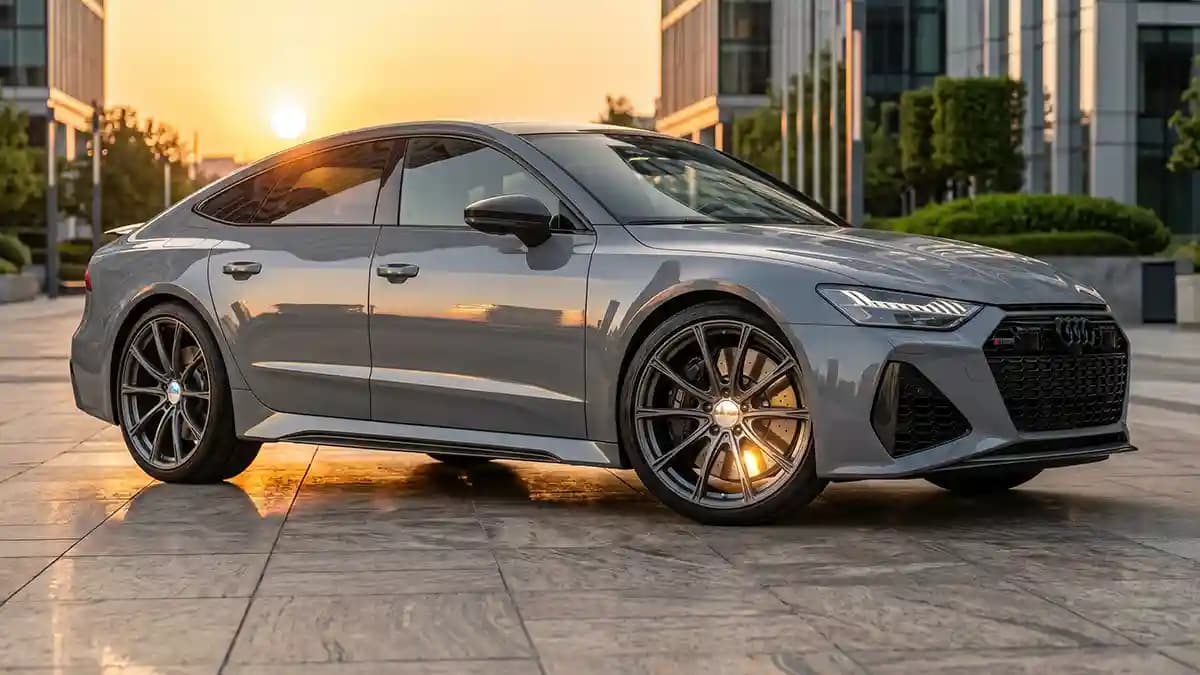
Chrome wheel caps and holographic stickers absolutely can make your wheel centers stand out, but only when you use them with some restraint. I was standing next to a clean gray hatch last week, the kind of car that already looked sharp, and the owner had fitted bright rainbow caps that screamed louder than the exhaust. That is the whole game with this style. Done right, holographic or chrome wheel centers make the car feel custom, fresh, and expensive. Done wrong, they look like a toy from a gas station rack.
I like this topic because wheel centers are small, which means they are one of the safest places to try a loud finish. You are not wrapping the whole hood. You are not committing to a full mirror chrome body that needs the emotional support of a microfiber towel. You are changing one small circle on each wheel, and that little change can wake the whole car up when the sun hits it. Small part, big visual job.
There is also a real reason this look keeps showing up right now. Big film brands still keep effect finishes front and center, not buried in some weird back corner. Avery Dennison’s current wrap range lists more than 120 colors and finishes, including ColorFlow and chrome options, and its prismatic line is described as an iridescent gloss effect with light reflecting sparkles. ORAFOL’s catalog also separates metallic and iridescent films as their own effect families, which tells you this is not a dead trend people left behind with neon windshield banners.
Why this finish works so well on wheel centers
The first reason is simple. Wheels move. That means a finish that changes with light has more fun there than it does on a flat badge somewhere else. A holographic face flickers as the wheel turns, and a chrome face throws sharp flashes when the car rolls past you. It gives motion to a part that already lives in motion.
The third reason is the dome itself. A clear resin top already adds depth and gloss, so when you put metallic or holographic material under that lens, the surface looks richer than flat vinyl. That is why I keep telling people not to judge these finishes from a cheap flat sample they saw online at midnight. The base effect matters, sure, but the raised clear top is what gives the badge that deeper, factory badge kind of look. The dome changes everything. That part is built right into how these products are made at Impossible Stickers, print, cut, dome, cure, then final QC. How It’s Made shows that process clearly.
Holographic vs chrome vs metallic, what is the real difference
People lump these together, and that is how they end up ordering the wrong thing.
Chrome is the sharp one. It gives you a mirror like flash, the brightest highlight, and the cleanest high contrast look.
Holographic is the playful one. It shifts color, throws rainbow tones, and changes mood depending on the light and angle.
Metallic is the calm one. It reflects light, but in a smoother and more controlled way, more brushed suit than disco ball.
Gloss black with metallic flake sits in the middle. It stays subtle from far away, then wakes up when the light hits it.
Brushed silver or brushed titanium is the safe pick when you want premium but do not want the wheel centers yelling at strangers in parking lots.
That difference matters more than most people think. Chrome is not just shinier silver. Holographic is not just rainbow chrome. Metallic is not just boring chrome. They all speak a different visual language. Put the wrong one on the wrong build and the car starts arguing with itself.
Here is the fastest way I explain it in the garage.
A black coupe with smoked lights and dark wheels usually wants chrome only in small doses, or a dark metallic that catches light without breaking the stealth look.
A white show car can carry chrome easily because the contrast is already part of the build.
A colorful tuner build can get away with holographic because the whole car already has energy.
A daily driver that still needs to feel mature usually looks best with brushed metallic or a restrained gloss finish.
A classic car almost never wants full rainbow anything. It usually wants polished silver, brushed metal, or a clean heritage color.
This is where most people mess up
They pick the finish before they pick the mood.
That sounds small. It is not. The right question is not “what looks coolest by itself?” The right question is “what makes sense on this exact car, with these exact wheels, in this exact light?” That is why one set of chrome wheel caps can look like factory motorsport jewelry, while another looks like somebody glued four cheap coins to the hubs and called it a day.
I made this mistake on an older silver sedan years ago. I ordered a very bright mirrored center design because I thought more shine meant more style. Wrong. The wheels already had polished lips, the paint was bright, and the trim was reflective enough. So the center caps did not add contrast. They added noise. I swapped them for a darker brushed finish and suddenly the whole wheel made sense. Same car. Same wheel. Better decision.
Here is my rule set before I recommend any finish.
Match the wheel first. Dark wheels can handle bright centers better. Bright silver wheels usually need calmer caps.
Match the trim second. Chrome window trim can support chrome wheel centers. Black trim usually wants darker finishes.
Match the personality third. Daily driver, show car, track toy, retro build, they all want different levels of drama.
Think about cleaning. If you hate wiping fingerprints, full mirror chrome is going to annoy you.
Think about sun. Holographic looks best when it has light to play with. In constant dull weather, metallic often gives a cleaner payoff.
When chrome wins
Chrome wins when the rest of the car is disciplined. That is the part people skip.
A chrome center works best when it is the bright accent, not one more shiny thing in a pile of shiny things. On black wheels, anthracite wheels, bronze wheels, and some satin gray wheels, chrome can look incredible because it gives the eye one clean focal point. Your brain sees the center first, then reads the spokes around it. Nice. Simple. Expensive looking.
It also works well on cars that already use bright badges or polished trim. That visual repeat makes the wheel center feel intentional. A chrome face on a car with chrome window trim, polished lug hardware, or a silver lip usually feels tied together. A chrome face on an otherwise blackout build can also work, but only if you treat it like a tiny signature and not the start of a light show.
There is one practical note here too. Chrome effect films look fantastic, but they are less forgiving in real life care. 3M’s guidance for chrome wrap finishes still says hand wash only, avoid industrial car washes, use microfiber, avoid aggressive soaps, and remove dirt or salt quickly. That is not marketing drama. That is your clue that the bright mirror look needs gentler treatment than a calmer finish.
When holographic wins
Holographic wins when the car already has attitude.
I would put it on tuner builds, modern street cars, show setups, weekend toys, and anything that leans playful or futuristic. I would not start there on your dad’s beige sedan unless your goal is to confuse the neighborhood. Holographic works best when it feels like part of a wider visual story. Colored calipers, tinted lights, a brighter body color, a custom interior stitch, something else on the car should already suggest that this owner likes fun.
The reason it works is light behavior. Avery’s own wrap material notes point out that some of these finishes shift with viewing angle and lighting, and its prismatic effect line is built around those changing tones and sparkles. That makes holographic wheel centers a moving target in the best way. In shade they can look almost calm. In direct sun they wake up and start putting on a tiny concert.
That changing look is also why holographic is smarter on wheel centers than on giant body panels for most people. You get the surprise without the commitment. Walk up to the car and it looks tasteful. Then the sun hits it and there is the little payoff. That is a good mod. It gives you two moods instead of one.
What finish fits which build
I use this cheat sheet all the time.
Black wheels on a dark car
Go chrome if you want contrast. Go dark metallic if you want a stealth build with depth.Silver wheels on a silver or white car
Go brushed metallic or a smoked chrome look. Full mirror chrome can be too much unless the rest of the trim supports it.Bronze wheels
Use warm silver, brushed titanium, or a subtle holographic with restrained color shift. Cold bright chrome can feel harsh here.Show car with a bright paint color
Holographic can work really well, especially when the car already has custom details that prepare the eye for something louder.OEM plus daily driver
Pick metallic before holographic. It gives you visual lift without making the car feel like it changed genres overnight.Old school build
Stay away from loud holographic. Use polished silver, classic colors, or heritage inspired graphics under a clean dome.
The fit still matters more than the finish
This is the part nobody wants to hear when they are busy picking shiny colors, but it is the truth. A perfect holographic cap in the wrong size still looks bad. A gorgeous chrome emblem on a curved or crusty surface still fails. The finish is the fun part. The fit is the part that saves the whole job.
That is why I keep coming back to measuring the visible flat circle, not the whole cap, not the outer lip, not some random forum guess from a guy with a blurry wheel photo. Impossible Stickers has already published a solid guide on this, and it matches the advice I give people in real life. Read How to Measure Your Wheel Center Cap for a Perfect Sticker Fit before you buy anything flashy. It is way cheaper to measure once than to be wrong in shiny high definition.
The same goes for material choice. If you are still deciding between a flat printed decal and a domed badge, Domed Stickers vs Vinyl Decals for Wheel Caps is worth a read because it shows why the raised finish tends to look more like a proper badge and less like a shortcut. On effect finishes, that difference gets even bigger because depth amplifies the light play.
How I would choose in real life
Let’s make this stupid simple.
Stand ten feet away from the car and look at the wheels, not the cap.
Decide whether the wheel needs contrast or calm.
Pick chrome for sharp contrast, metallic for controlled depth, holographic for playful color shift.
Check whether the rest of the car supports that choice.
Measure the cap properly.
Install on a clean, flat surface only.
Keep your first idea, only if it still looks smart after you sleep on it.
That last one saves people more often than you would think. Loud finishes are like tattoos and exhaust systems. The best ones still make sense the next morning.
So, should you go holographic or chrome? My honest answer is both can look excellent. Chrome is the cleaner and safer bet for most builds. Holographic is the better pick when the car already has some showmanship and you want the wheels to add a little grin every time the sun hits them. The trick is not bravery. The trick is restraint.
Browse the main Shop once you know your size and mood, then choose a finish that belongs on the car, not just one that looked cool in a tiny product photo. That is how you get wheel centers that stand out for the right reason
Quick Q and A
Q: Are chrome wheel caps too flashy for a daily driver?
Not if the rest of the car is calm. On dark wheels or simple paint colors, chrome can look sharp and clean instead of loud.
Q: Do holographic stickers look cheap?
Cheap ones can. A well printed holographic base under a clean dome looks much better because the finish has depth and a more badge like surface.
Q: Which finish hides fingerprints and tiny marks better?
Metallic usually does. Mirror chrome looks amazing, but it also shows more, which is why gentler care matters more with that finish.
Q: Can I use holographic or chrome on any center cap?
Only if the landing zone is flat enough and the size is right. A wrong fit will ruin the look faster than any finish choice ever could.
Q: What is the safest first choice if I am unsure?
Brushed metallic or restrained chrome. It gives you light, depth, and a premium feel without pushing the car into full show mode.