
Is Your Wheel Cap Missing or Just Corroded? How a Sticker Saves the Look
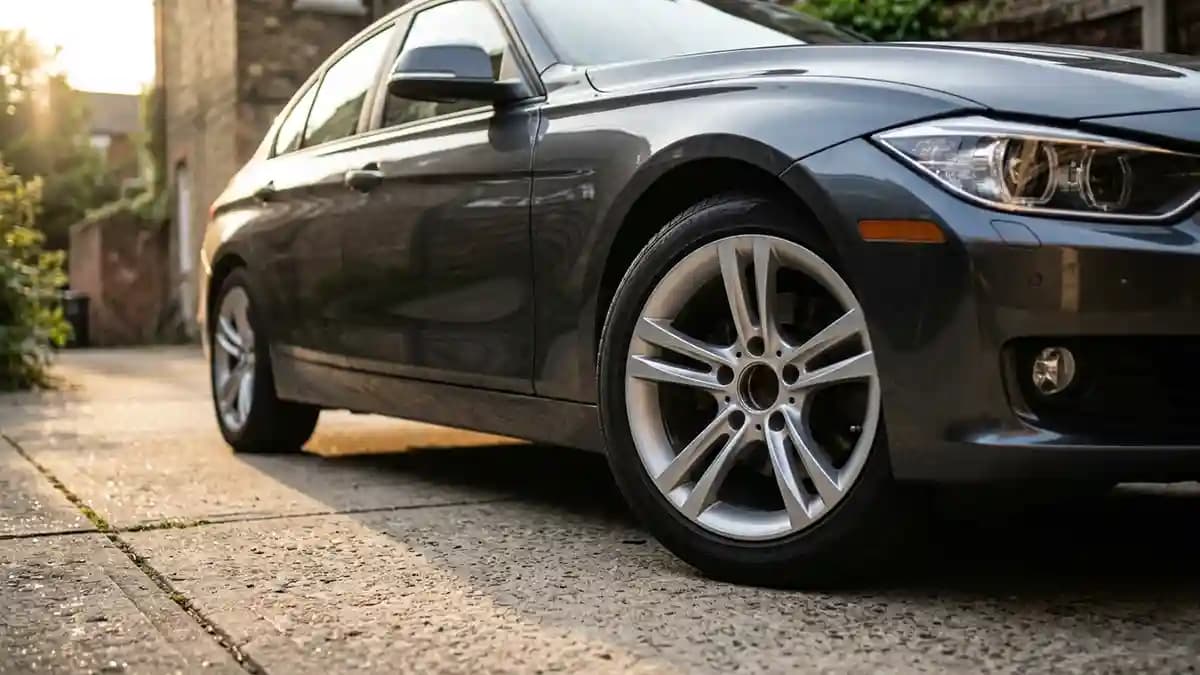
Corroded wheel caps are usually worth saving with a domed sticker, but a truly missing cap body needs a replacement cap first, then the sticker finishes the job. That is the straight answer, and I wish more people heard it before wasting money. Last week I was washing a car that looked sharp from ten feet away, then one wheel caught the light and ruined the whole mood. Three wheels looked clean, one looked like it had been in a fight with road salt and lost.
This is the part that annoys people, because the damage is tiny and huge at the same time. Tiny in size, huge in how bad it makes the car look. A messed up center pulls your eye right to the middle of the wheel, like a missing front tooth in a school photo. One ugly cap can make an otherwise clean wheel look neglected.
Here is the good news. A lot of wheel cap problems are face problems, not full cap problems. If the cap body is still locked in place and only the top face is faded, bubbled, scratched, or chalky, a sticker can save the look fast. If the whole cap is gone, you need the cap body back first, because a sticker fixes the visible face, not the clips or depth.
What missing and corroded really mean
I have seen people use the same words for two different disasters, and that is where bad orders start. One guy says his hubcap is missing, but the cap is still there and only the logo face is dead. Another guy says the cap is corroded, but the plastic body is cracked, loose, and halfway out of the wheel. Those are not the same repair, and treating them like the same repair is how your wallet ends up doing cardio.
Here is how I split it in my head when I am standing in front of the wheel.
Just corroded or ugly
The cap body is still in the wheel.
The face is bubbling, cloudy, scratched, or faded.
The outer shape still sits right and does not wobble.
The ugly part is mostly what you see from the front.
Actually missing or too far gone
The whole center cap fell out.
The cap body is cracked, loose, or bent.
The face is deeply pitted or broken, not just stained.
There is no flat landing zone left for the sticker to grab.
That split matters more than brand, model, or wheel price. If the structure is still there, you are doing cosmetic repair. If the structure is gone, you are doing parts replacement first. That one check saves a lot of bad purchases.
Why wheel centers get so ugly so fast
Wheels live in the worst part of the car. They get baked by brake heat, sandblasted by grit, sprayed with dirty water, and covered in brake dust that feels like it was made in a volcano. Then winter shows up, throws salt into the mix, and makes the whole thing worse. Tire Rack literally sells winter wheel packages as a way to shield original wheels from salt and corrosion, which tells you how nasty winter road junk is on wheel finishes.
And the center cap takes that abuse right in the face. The badge sits in the middle where every wash mitt, brush, and spray wand wants to land. Cheap finishes start to cloud, edges start to lift, and grime settles into every little break in the surface. That is why a wheel can look clean while the center still looks tired.
When a sticker is the smart fix
A good domed sticker works best when the damage is shallow, visible, and annoying. That means corrosion on the face, bubbling clear coat, faded print, scratched graphics, or a logo that just looks ancient. You are covering the ugly part, not pretending a broken cap body is fine. That is an important difference.
I like this route because it is fast, cheap, and it keeps the original cap body when the body still fits right. You do not have to chase clips, back shapes, or weird brand specific part numbers if the cap itself still seats well. You are basically giving the wheel a new face instead of replacing the whole head. For a lot of daily drivers, that is the move that makes the most sense.
There is also a style upside people forget about. Once you are covering the face anyway, you can stay stock looking or clean the whole thing up with a simpler finish. The point is the wheel stops looking broken and starts looking deliberate.
If you want to browse options before you commit, the main wheel emblems shop is the easiest place to start. If you want the nerdy version of how the resin layer, print, cut, and cure process work, the How It’s Made page is worth the click. And if you want the plain English version of what the material is built to handle, the Quality Promise page lays it out without fluff.
How to measure the center cap sticker size without guessing
Most failed installs are not cursed. They are just rushed. People order the wrong size, stick onto old wax, skip the cleaning, or try to cover a face that is not really flat enough. Then they blame the sticker.
The first fix is size. Measure the visible flat circle on the cap face, not the whole outer lip and not the cap body behind it. That sounds obvious until you are crouched next to a wheel with a ruler, guessing like a man reading tea leaves. The size guide on the site says the same thing, measure the flat visible area in millimeters, because that is the part the sticker actually cares about.
The second fix is surface prep. 3M guidance says most bonding surfaces do best with a fifty fifty mix of isopropyl alcohol and water, and it also notes that light abrasion followed by IPA cleaning helps when oxidation or heavy dirt is in the way. That matters here, because corroded wheel caps usually have chalky junk on the face even after they look clean. If you stick over that mess, you are bonding to the dirt, not the cap.
That before and after is where the light bulb goes on for most people. The wheel did not need a miracle. It needed the ugly middle fixed. Once that center is clean again, the whole wheel stops looking tired, even if the rest of the car was already fine.
How to tell if you need a center cap sticker or full wheel emblem replacement
I use a four step check, and it takes less than a minute.
Push the cap with your thumb.
If it moves, rattles, or feels loose, deal with the cap body first.
If it feels solid, keep going.
Look at the face from the side.
If the landing zone is flat and smooth, good.
If it has deep pits, cracks, or a strong curve, stop and rethink.
Run a fingernail across the ugly part.
If the damage feels shallow and mostly cosmetic, a sticker will usually cover it well.
If the surface is broken like a crater, you need more repair than a cover.
Measure the visible circle.
Match that number in millimeters.
If the edge rolls into a curve, going one millimeter smaller usually looks cleaner than hanging over the shoulder. The site size guides hammer this point for a reason.
This is where most people mess up, they want the sticker to fix a geometry problem. It will not. A sticker is a face fix. It is not a new clip system, not a filler for deep holes, and not a magic spell for a cap that already wants to leave the wheel.
How I prep a corroded cap before the sticker goes on
This part is boring, and boring is good.
Wash the wheel face and cap with normal car soap.
Dry it fully, especially around the cap edge.
If the face has loose oxidation, gently remove the flaky stuff so the top surface is solid.
Wipe the landing zone with IPA and let it flash off.
Do not touch the clean face with greasy fingers right after that.
Test fit the sticker before peeling the backing.
The goal is a clean, dry, stable circle. You are just removing the junk that keeps the adhesive from touching the real surface.
If the cap is lightly rough but still sound, a sticker can still work well. If the face is badly cratered, the sticker will mirror that ugly texture underneath and you will hate it every time the sun hits it. Be honest with the surface in front of you. Your eyeballs are free and very useful.
Applying it without turning the driveway into a comedy show
I have done installs that looked great in thirty seconds, and I have done installs where I somehow made a perfect circle look crooked. That takes talent, by the way. The trick is to slow down for one minute instead of rushing for ten seconds. Round stickers punish fake confidence.
Here is the method I trust.
Hold the sticker over the cap and line up the circle before you peel anything.
Peel the backing.
Hover, center, and commit once.
Press from the center outward with steady finger pressure.
Work around the full edge, not just the middle.
Leave it alone after that. Do not keep lifting and resticking unless you enjoy making simple jobs hard.
Then give the adhesive time to settle. 3M guidance for pressure sensitive adhesive systems shows bond strength builds with time and commonly reaches full strength after about seventy two hours at room temperature. So yes, you can handle it sooner, but blasting it with hard washing right away is just asking for drama.
A lot of people skip that waiting part because the badge feels stuck right away. It is stuck, just not fully settled. Let it sit and let it grip. Your future self will thank you after the first wash.
When you should skip the sticker and replace the whole cap
I like sticker fixes, but I am not going to pretend they solve everything. Sometimes the cap is cooked. Sometimes the clips are broken, the face is warped, or the whole center is missing and you are staring straight at the hub area like a little metal cave. That is not sticker time.
Here is when I tell people to replace the full cap first.
The cap body is missing.
The cap does not lock into the wheel anymore.
The face is cracked through, not just ugly.
The surface is too curved for a clean bond.
You want a full original hardware restoration, not just a visual rescue.
Get the right cap body back in place, then use the face emblem that matches it. If you need help on sizing before you order, the wheel center cap size database is a solid place to start, and the article on why your wheel stickers keep peeling off helps if your issue is bad prep, bad fit, or a surface that was never right to begin with.
Why this small fix matters more than people think
Wheel centers are tiny, but they carry a stupid amount of visual weight. The eye goes straight to the middle of the wheel. Clean spokes with a nasty cap still read as neglected. Clean cap, though, and the whole wheel suddenly looks looked after.
That is why this fix feels bigger than it is. You are not changing horsepower or lap time. You are making the car look cared for, which changes how the whole thing lands when someone walks up to it. And if you are the one walking up to it every morning, that matters too.
I like upgrades that do one simple thing really well. This is one of them. No giant install, no weird tools. Just a better face on the part that was making the whole wheel look tired.
Quick Q and A
Q: Can a sticker replace a missing center cap?
No. If the whole cap body is gone, you need that part first. The sticker finishes the visible face, it does not replace the clips or the cap shell.
Q: Will a domed sticker hide corrosion completely?
It hides cosmetic face damage very well when the surface is still stable and flat. If the cap is deeply pitted or broken, the damage can still print through and look rough.
Q: How do I know what size to order?
Measure the visible flat circle on the cap face in millimeters. Do not measure the outer lip or the whole cap body unless you are replacing the full cap too.
Q: Do I really need to clean with isopropyl alcohol first?
Yes. A clean surface gives the adhesive a real chance to bond to the cap instead of leftover grime, wax, or oily residue. 3M surface prep guidance backs that up.
Q: How long should I wait before washing the wheels?
Give it about seventy two hours when you can. The adhesive grabs early, but full strength builds over time, and that wait helps the edges stay tight.