
How To Replace EV Center Caps on Model 3/Y Aero Wheels
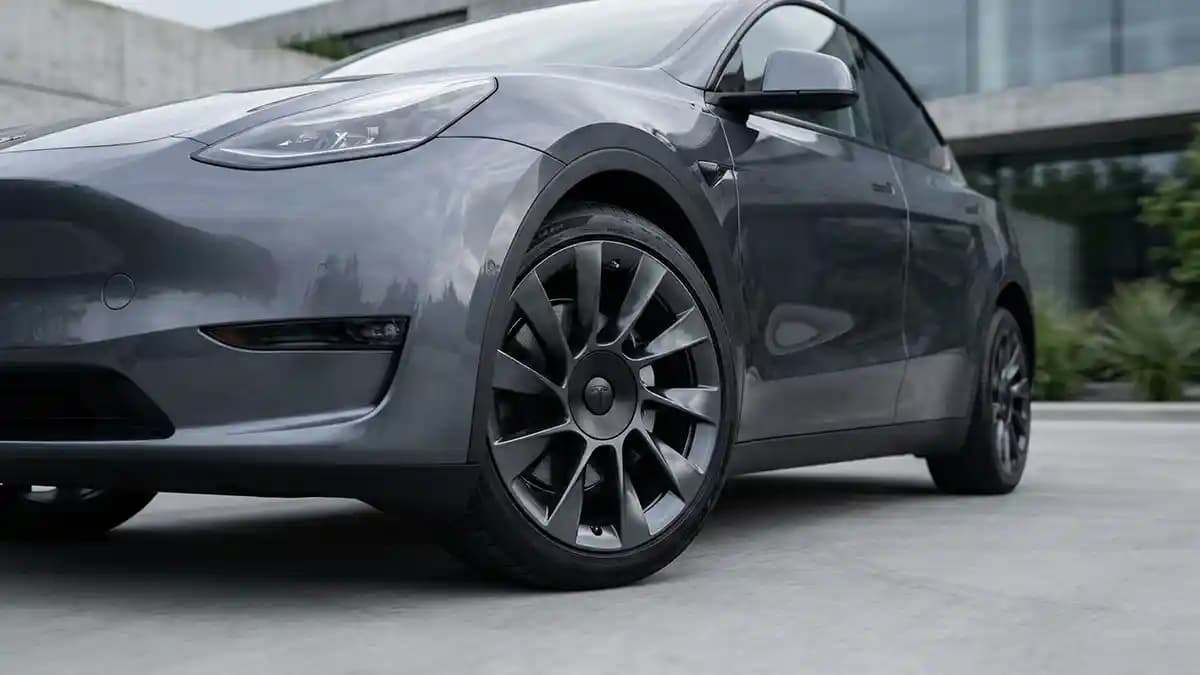
Model 3 center caps on aero wheels are easy to replace if you do three things in order, pull the cover, prep the surface, then install the cap or emblem once and stop touching it. I was standing in my driveway with a Model Y owner who wanted the bare wheel look, and his face dropped the second the aero cover popped off. The wheel looked cleaner, but the center looked like a missing tooth. That is why this job matters, your eye goes straight to the middle of the wheel every time you walk up.
Tesla does not hide this process. Their own service guide says to remove a wheel cover by gripping it with both hands and pulling toward you to release the retaining clips. That means no screws and no fancy tools, just controlled force. The real skill is what you do after the cover is off, because the center area is where most installs go wrong.
Know the parts before you start
On most Model 3 and Model Y aero setups you are dealing with three zones. First is the aero cover, which is a clip on face that makes the wheel look smooth and helps with efficiency. Second is the lug area under the cover, which is the real wheel hardware you do not want to scratch. Third is the wheel center area, the spot that gets a snap in cap, a logo insert, or a domed emblem to finish the look.
When someone says “replace the center cap” they usually mean one of two things. They either want a snap in cap that fills the center bore and makes the wheel look complete when the cover is off. Or they want a domed emblem that sits on a flat face and gives that badge look without buying new hardware. Both work, but both require the same prep, clean, dry, and aligned.
My no drama tool pile
You can do this with almost nothing, but the wrong tool can ruin a wheel in two seconds. Use plastic, use tape, and keep metal away from painted faces. I toss a towel down so nothing hits concrete. Here is the kit I keep next to the tire.
• Plastic trim tool or plastic pry tool
• Microfiber towels, one for dirty work, one for final wipe
• Car soap and water
• Isopropyl alcohol for the final wipe
• Painter’s tape for alignment marks
• If you remove the wheel, a torque wrench and a 21 mm socket
Tesla lists the lug nut socket size as 21 mm and lug nut torque as 175 Nm, which is 129 lb ft. If you do remove a wheel, torque is not optional, it is the job. Save that spec in your notes. If you do not remove a wheel, this number is still useful because it keeps you from letting a shop guess later.
Step one, remove the aero cover cleanly
Park on flat ground and put the car in Park. Grip the wheel cover with both hands and pull it toward you to release the clips, just like Tesla describes. Do not wedge a screwdriver under the edge, because that is how you chip paint and make sad marks. When it pops, set it face up on a towel so grit does not grind into the front.
If you are keeping the aero cover on the car and only adding a small badge, you will clean the center area of the cover. If you are going bare wheel, you will set the cover aside and work on the wheel center. Either way, do not start peeling backing paper yet, you are still in prep mode. Rushing the sticky part makes crooked badges.
Step two, measure the real landing zone
I do not tell anyone a Tesla center cap size without a measurement. Tesla wheels vary by trim, year, and aftermarket swaps, and the internet loves to say one number like it is law. Measure the flat circle where your emblem will sit, edge to edge, in millimeters. Our site FAQ explains the method and even calls out common sizes people see, like 56 mm, 60 mm, 63.5 mm, 65 mm, and 68 mm.
Do this once and write it down, because you will forget later and buy the wrong thing twice. Measure the visible flat circle, not the outer lip, because the lip is not where adhesive bonds. Measure straight across, do not follow a curve, and if the center is recessed measure the flat floor where the emblem will touch. Then choose the same size, or 1 mm smaller if you want a clean edge.
• Measure the visible flat circle, not the outer lip
• Measure straight across, do not follow a curve
• If the center is recessed, measure the flat floor where the emblem will touch
• Choose the same size, or 1 mm smaller if you want a clean edge
If you want more examples of what “flat floor” means, open the Frequently Asked Questions page and compare your cap shape to the descriptions. You will also see why recessed caps can trick your eyes into measuring the wrong ring. This one step prevents the classic mistake, buying a cool badge that covers the lip instead of bonding to the surface. It is boring, but it saves money.
Step three, clean like you mean it
Wheels are filthy in ways you cannot see. Brake dust, road film, and tire shine overspray sit on the surface and act like glue poison. Wash the area with car soap and water, rinse, then dry it fully. After it is dry, wipe the exact bonding area with isopropyl alcohol using a clean microfiber, then let it flash dry.
Do the finger test and trust it. Touch the surface lightly with a clean finger and slide it a bit, and it should feel dry and squeaky, not slick. If it feels slick, wipe again, because slick means you are sticking to oils, not the cap. Now you are ready to install.
Option A, keep the aero covers and upgrade the center badge
This option keeps the smooth wheel face and still fixes the bland center. Clean the center zone of the cover, dry it, then do the alcohol wipe on that exact circle. Dry fit the emblem without peeling the backing and check it from straight on and from a slight side angle. When it looks right, place two small pieces of painter’s tape as reference marks so your hands do not lie to you.
Now peel the backing, hold the emblem by the edges, and lay it down gently. Press from the center outward, then press the full edge with steady pressure for about 30 seconds. Then do nothing for a full day, because fresh adhesive needs time to settle. If you care about keeping the aero benefit while still customizing, the guide on aero wheel caps without losing range explains the safe limits.
Option B, go bare wheel with snap in caps, then finish with an emblem
This is the “it should have come like this” look. Pop off the aero cover, then install a snap in center cap that fills the center bore and looks like real hardware. If your kit includes lug covers, install them too, because exposed lug nuts make the wheel look busy. Press the cap in with even pressure until it seats, and if it fights you, pull it out and check for dirt or bent clips.
After the cap is seated, you can add a domed emblem to the cap face if you want a cleaner logo and a more premium look. The dome acts like a clear lens, so the logo looks deeper and wipes clean easier after a wash. Make sure it lands on a flat circle so the edge seals. If you want to see how domed emblems look on real wheels before you pick a finish, scroll the Gallery and steal a few ideas.
My install routine for domed emblems
I treat a domed emblem like paint, and that mindset keeps you from rushing. The goal is a clean bond and a sealed edge, not speed. Here is the routine that does not fail, and it works the same way whether the emblem goes on an aero cover or a snap in cap. If you want finish ideas that look factory on modern EVs, the post on stealth domed emblems for Tesla and Rivian is a cheat sheet.
Wash, rinse, and dry the cap face.
Wipe with isopropyl alcohol, then let it dry.
Dry fit the emblem and set two tape marks.
Peel the backing and place the emblem lightly first.
Press from the center outward, then press the full edge.
Leave it alone for 24 hours before any wash.
When you actually need to remove the wheel
Most people never need to pull a wheel for this. But if an old cap is stuck and you want to push it out from behind, removing the wheel makes life easier. The other reason is deep cleaning the hub area after years of grime, so your new cap seats clean and flush. If you do remove a wheel, follow torque specs and finish the job properly.
Tesla lists lug nut torque as 175 Nm, which is 129 lb ft, and that spec is repeated in their manuals and service data. Torque in a star pattern and recheck after a short drive because wheels settle. Do not use an impact gun for final torque. If you do not own a torque wrench, borrow one, because guessing here is not a personality trait.
The five mistakes that ruin this job
This job is simple, but it is not forgiving. I have watched people mess it up in real time, and then pretend it was “bad glue” to protect their ego. It is almost always prep, temperature, or fingers on adhesive. Fix these, and your install holds for the long run.
• Skipping the alcohol wipe because the cap “looked clean”
• Touching the adhesive with your fingers during install
• Installing in very cold air so the adhesive stays stiff
• Pressing only the middle and not sealing the edge
• Washing too soon and blasting the edge with high pressure water
If your garage is cold, warm the cap and the emblem with your hands for a minute. You are not trying to heat anything, you just want normal surface temperature so the adhesive grabs. Cold installs fail when water hits the edge. Then press, seal the edge, and walk away.
Picking a finish that looks right on a Tesla
Tesla design is calm, so your center badge should be calm too. Loud colors and high contrast can look like a cheap add on when the rest of the car is one clean surface. Match your window trim finish. These finishes usually look right.
• Satin black for white, red, and bright colors
• Smoked clear for gray and silver, it adds depth without shouting
• Soft gloss black for black cars, it looks rich but not toy shiny
• Brushed silver when the wheel has a bright machined face
If you are unsure, take a photo of the wheel in daylight and zoom out until the car is small. If the badge still screams from that distance, it is too loud. Calm badges make the car look intentional. Calm badges age better.
How to keep it clean after install
Use normal car soap and water on the wheel centers and wipe with a soft microfiber. Avoid harsh glass cleaners on the wheel center area, because they can haze plastics and coatings over time. Do not aim a pressure washer straight at the emblem edge from close range, because water can lift an edge if you try hard enough. Give the edge distance and angle, and the emblem stays put.
If you want a simple place to start browsing designs and sizes, head to the Shop. Use product pages as a sizing template, they show the full diameter range and the same prep routine. For example, Ford Emblem Wheel Center Caps Premium Edition lists materials, durability, and size options from 20 to 120 mm. The Ford Emblem Wheel Center Caps High Quality page is another sizing reference you can copy.
Quick Q and A
Q: Can I remove the Model 3 or Model Y aero wheel cover without tools?
A: Yes. Tesla describes it as gripping the cover and pulling toward you to release the clips. Use your hands and keep metal away from the rim.
Q: Do I need to jack the car up to replace center caps?
A: Not for most installs. You can pop the cover off and install snap in caps or a badge with the wheel on the car. Jacking helps mainly when an old cap is stuck and you want to push it out from behind.
Q: What torque should I use if I remove the wheel?
A: Tesla lists lug nut torque as 175 Nm, which is 129 lb ft, and the socket size is 21 mm. Torque in a star pattern and recheck after a short drive.
Q: Why does an emblem lift at the edge after a week?
A: The surface had oils on it, or the install was done in cold air, or the edge was not pressed and sealed. Clean with alcohol, press the full edge, and wait 24 hours before washing. That fixes most problems.
Q: What size emblem fits Tesla center caps, 56 mm or 60 mm?
A: Measure the flat circle on your exact cap face and buy that size, or 1 mm smaller for a cleaner edge. Our sizing FAQ explains the method and why the flat landing zone is what matters.
Q: Can I keep the aero covers and still make the wheel look better?
A: Yes. Upgrade only the center zone so the cover stays smooth and efficient, and keep the badge low profile. The aero styling guide shows the safe way to do it.