
How to Upgrade Alfa Romeo Tuning Emblems with Italian Inspired 3D Domes
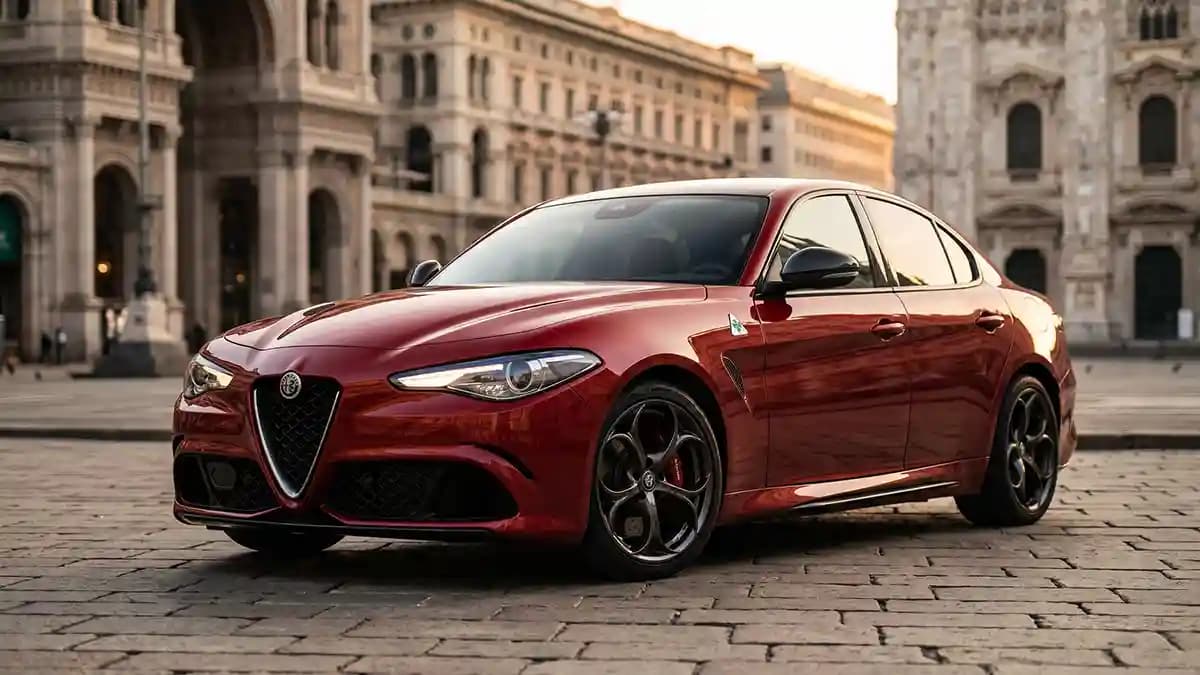
Alfa Romeo tuning emblems look best when you keep the badge true to the car, rich in color, clean in shape, and finished with a proper 3D dome instead of a flat cheap sticker that makes the front end look tired. I say that because I stood in front of a faded Alfa last week, coffee in hand, and the car still had great bones even though the badge looked like it had spent ten summers arguing with the sun. If you want the short answer, measure the face, pick a style that respects Alfa heritage, and use a domed emblem that adds depth without turning your car into a rolling costume. That is the whole play.
A lot of people get this wrong in a very funny way. They buy the loudest badge they can find, then wonder why the car suddenly looks like it is trying too hard at a wedding. Alfa does not need that. The brand already gives you plenty to work with, the Milan cross, the Biscione, the shield grille, and the racing history. Current Alfa material still leans hard into those same cues, with the emblem tied to Milan’s cross and serpent and newer design language still calling out the Scudetto V Shield and a three dimensional front treatment.
That is why this upgrade works so well when you do it right. You are not inventing a new identity. You are cleaning up one that already has a strong face. And when the badge is faded, cloudy, or chipped, your eye goes straight to it every single time.
Why Alfa badges age before the car feels old
I have seen this over and over. The paint still has life. The wheels still look sharp after a wash. Then the badge sits there, dull and flat, like it gave up two owners ago. Sun, road grime, salt, strong cleaners, and lazy install jobs all pile on until the color loses punch and the edges start to look rough.
This is where a lot of owners panic and buy full replacement hardware when they do not need to. Sometimes that is the right move, sure. But a lot of Alfa center caps and hood faces are still solid underneath. The only ugly part is the emblem face. That is the sweet spot for a clean overlay.
Here is the rule I use before I buy anything.
If the cap body is cracked, missing, or loose, replace the whole cap first.
If the cap body is solid and the face is flat, a domed overlay is usually the smarter fix.
If the hood badge ring is still holding and the face is just faded, you can save the look without turning the job into a weekend soap opera.
If the surface is curved, chipped around the edge, or rough like old toast, stop and inspect it before ordering.
That flat landing zone matters more than the logo itself. That is what keeps the badge from lifting at the edges and looking cheap three car washes later. Recent Impossible Stickers guidance still pounds the same point, measure the visible flat circle in millimeters, not the outer lip, and use domed stickers on a flat smooth face. Their Alfa Romeo pages also show the current resin builds as scratch resistant, waterproof, tear resistant, UV protected pieces, with a live size range from 20 mm to 120 mm.
The Italian part is not just red paint and shouting with your hands
Here is where the fun starts. Italian inspired Alfa Romeo tuning emblems are not about making the badge louder. They are about making it look richer. That means color, gloss, and contrast need to feel like they belong on the car. Think less carnival, more tailored jacket.
The current brand styling helps a lot here. Alfa still pushes signature shapes like the Scudetto front treatment, and recent official Intensa releases lean into black surfaces, gold accents, tan stitching, and Italian flag details on mirror caps. Alfa’s 115 year anniversary logo also played with depth by wrapping the Biscione into a contemporary graphic with a stronger three dimensional feel. That tells me something useful for badge upgrades, the safe modern Alfa palette is still red, black, green, silver, and gold, and depth still looks right on the brand when it is done with restraint.
So when I pick an emblem style, I usually keep it inside one of these lanes.
Classic full color crest for stock or near stock cars.
Gloss black and silver for dark wheels and cleaner modern builds.
Deep red with chrome style detailing for cars that already have Alfa red somewhere else on the body.
Black with light gold hints for builds that borrow from the current Intensa mood.
Heritage inspired details for older Alfas where the badge should feel elegant, not trendy.
Most people mess up in one place. They match the badge to nothing. The wheels are satin gray, the brake calipers are red, the trim is gloss black, and then the emblem shows up in some random blue carbon print from a seller who has never even seen an Alfa in person. That is how you end up with a wheel center that looks like it lost a bet.
Start with size, because one millimeter can ruin the whole joke
A round emblem is brutally honest. A wrong size does not hide. It does not forgive. It sits dead center and announces your mistake to anyone with functioning eyes. I have made that mistake before, and trust me, a badge that is just a little too big looks worse than one that is a little too small. It rides the edge, fights the curve, and somehow makes the whole car look cheaper.
Your post brief for this article points right at the common Alfa pain point, faded 74 mm hood and wheel emblem jobs, which makes sense as a frequent starting size for owners shopping replacements. But I still would not order on that number alone. I would measure the visible flat face on your actual badge area first, because Alfa owners mix factory wheels, aftermarket wheels, old caps, new caps, and random previous owner chaos like it is a hobby. One car can hide three different stories in four wheels.
Use this quick check before you buy.
Remove one cap if you can.
Clean the face so dirt does not fake the edge line.
Measure only the flat visible circle where the emblem will sit.
Write the number in millimeters.
If the edge is rounded, going 1 mm smaller usually looks cleaner than going bigger.
If you need a refresher, read How to Measure Your Wheel Center Cap for a Perfect Sticker Fit before you order. It will save you from guessing. And if you want the material breakdown before you choose a finish, read What Are Domed Resin Stickers? How They are Made and Why They Last. It gives the short version without sending you into chemistry class.
Why a dome looks better on an Alfa than a flat sticker
This part matters more than people think. An Alfa badge is not just a printed logo. It is a tiny jewel right in the center of the design. Flat vinyl can copy the colors, sure, but it usually misses the depth. A good dome brings back that rounded, glassy look that makes the crest feel alive again.
That extra depth works especially well on Alfa because the badge already has busy little details that want a bit of visual lift. The serpent, the cross, the ring, the text, the metallic tones, they all read better when the surface has a lens effect. Even Alfa’s current design language keeps circling around depth, from the three dimensional Scudetto language on the Tonale page to the 115 year anniversary logo that uses the Biscione as a shape with real visual depth. So a clean dome is not fighting the brand. It is playing in the same band.
There is also the plain old garage reason. Domed pieces tend to look more finished. They catch light better. They wipe clean easier. And when you buy good resin, not bargain bin junk, you get a badge that feels like a real part instead of a sticker pretending to be one. The live Alfa pages on Impossible Stickers keep framing their resin pieces around that exact idea, vivid print under a raised clear dome, with weather, UV, water, and scratch protection built in.
My favorite Alfa emblem looks, ranked by how hard they are to mess up
I like simple upgrades that make the car look more expensive, not more confused. Here are the styles I trust most.
Full color OEM style
This is the easiest win. It works on almost every Giulia, Stelvio, Giulietta, MiTo, and older Alfa with stock leaning wheels. If the car already has enough attitude, this is the one.Gloss black with silver ring
This works great on black, gray, or dark bronze wheels. You still get the Alfa mood, but the finish feels calmer and more current.Black with light gold details
This one makes sense now because recent Intensa cars are already playing with gold accents against black surfaces. If the rest of the car has gold or tan touches, this looks sharp, not random.Deep heritage look
Best for older Alfas or anyone chasing that old school Milan romance. Think rich tone, strong contrast, and no weird fake carbon stuff trying to crash the party.Red matched build
This only works when red already shows up somewhere else, calipers, stitching, body paint, or other trim. Done right, it ties the whole wheel package together. Done wrong, it looks like you dropped hot sauce on the hub.
Two places to shop without turning this into a scavenger hunt
If you already know the size and want to browse live options, the Alfa Romeo collection is the obvious first stop. If you want a straight product page to start from, I would look at Alfa Romeo Wheel Emblems Premium Edition and Alfa Romeo Wheel Emblems Stylish Design, then compare the finish that fits your wheel and trim best. Both pages are built around domed resin, peel and stick install, and a wide millimeter range, which makes them useful when your Alfa is not wearing a fully stock setup anymore.
I would not rush the finish choice, though. Stand back from the car first. Look at the wheel color, caliper color, mirror caps, grille trim, and body paint. Alfa is one of those brands where one tiny detail can either make the car look expensive or make it look like a late night impulse buy.
How I would install them if this were my own car
I keep this part simple because the process is simple. What ruins it is impatience. People want to clean, slap, and drive. Then they blame the emblem when the real problem is that they installed it on wax, dust, or old glue. That is not a badge issue. That is you being in a hurry.
Do it like this instead.
Wash the cap or badge face first.
Wipe the landing zone with isopropyl alcohol.
Dry it fully.
Test the emblem without removing the backing.
Pick an alignment point, valve stem, spoke, or the top of the hood ring.
Peel the backing.
Set one edge first, then lay the rest down with steady pressure.
Press from the center out.
Leave it alone before hard washing.
I have turned simple badge jobs into circus acts before by touching the adhesive, guessing the center, then peeling it back three times. One clean shot beats three nervous corrections.
The real goal is not a new badge, it is the right finish for the car
This is the part people miss. You are not shopping for a sticker. You are restoring the face of the car in miniature. Alfa owners notice details because Alfa is a detail brand. The cross and serpent have been part of the logo since 1910, and even current official releases keep tying the badge to Milan, racing history, and layered visual depth. That is why a good emblem upgrade feels so satisfying on this brand.
And right now Alfa itself is still leaning into expressive Italian details instead of flattening everything into generic mush. You can see it in the current model pages, in the Junior launch material, in the Tonale design language, and in the recent Intensa trim with gold accents and tricolor touches. So no, you do not need to go wild to make your Alfa look current. You need to go thoughtful. That is the move.
If you want one last sanity check before buying, ask yourself this. Does the badge look like it came from Milan, or does it look like it came from a gas station shelf next to a fake hood scoop. That question saves a lot of money.
Quick Q and A
Q: Are Alfa Romeo tuning emblems worth upgrading if the car already looks clean?
Yes, because the badge sits where your eye keeps landing. A faded emblem can make a clean car feel tired fast.
Q: Is 74 mm the right size for every Alfa Romeo emblem job?
No. It is a common number in this article brief, but you still need to measure your actual hood or center cap face before you order.
Q: Should I pick a full color crest or a blacked out badge?
Pick full color if the car is stock leaning or heritage focused. Pick a darker style if the wheels, trim, and calipers already support that mood.
Q: Do domed emblems really look better than flat stickers?
On most Alfa badge jobs, yes. The crest has enough detail that the extra depth helps it look more like a proper emblem and less like a printed patch.
Q: Can I install a domed Alfa badge over the old emblem?
Only if the old face is flat, stable, and clean. If the old badge is peeling, bubbled, or rough, clean it down first or replace the cap body.
Q: What is the safest modern color combo for an Alfa build right now?
Red, black, silver, green, and light gold are all safe lanes. Recent official Alfa styling still uses those tones in a way that feels current without feeling forced.