
Self-Healing Graphics: How 3D Domes Rebound from Scratches
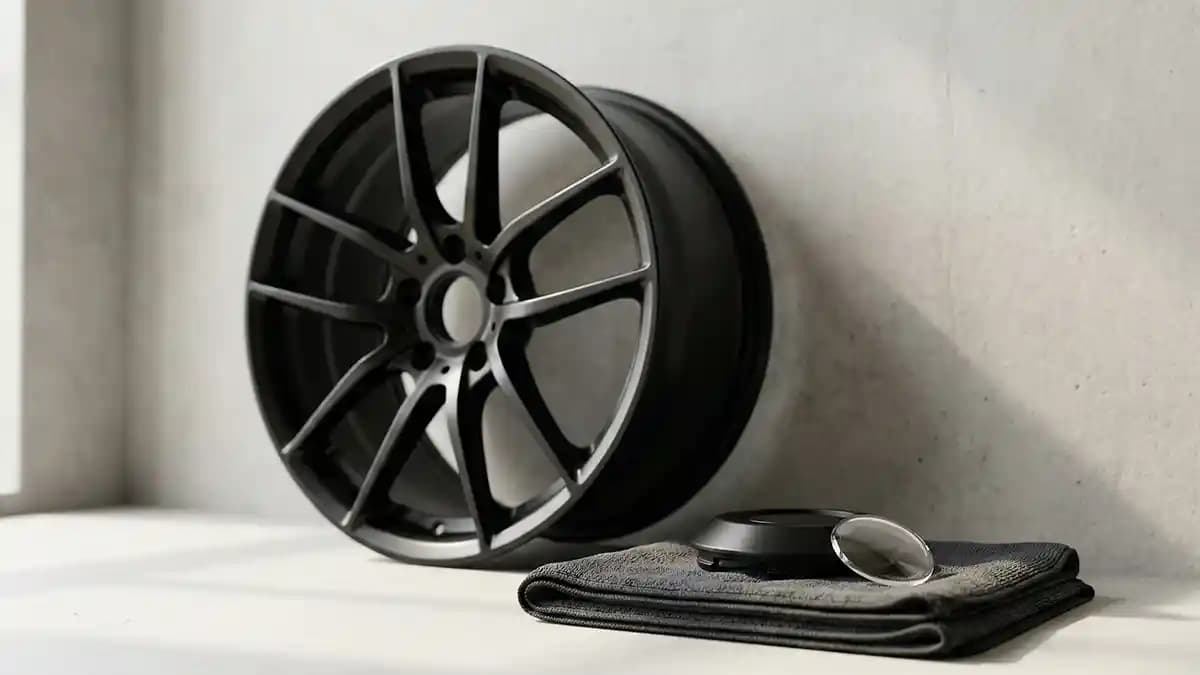
Self-healing stickers really can rebound from light scratches, because a good 3D dome is a soft clear shield that wants to level itself back out. Last week I was standing in my driveway staring at a wheel cap that looked perfect from five feet away, then terrible up close. A fast car wash had left a little swirl mark right across the logo, and it felt like a personal attack. Five minutes later, after the cap warmed up in the sun, that mark faded like it was never there, and I finally understood why people call these domes self healing.
Here is the honest version before we get carried away. Self healing does not mean magic, it means minor scuffs, swirl marks, and shallow scratches can soften and blend back in over time. This is the same basic idea used in self healing paint protection film, where manufacturers say minor scratches can disappear when heat is applied to the film surface. If the scratch is deep enough to cut the clear layer, nothing heals, you just have a cut. But for the annoying light stuff that usually ruins a glossy badge, polyurethane can save the look.
Most people picture a dome as a hard bubble sitting on top of a sticker. In reality, the better domes are made from polyurethane systems that cure into a clear elastomer, meaning it is tough but still has some give. In self healing polyurethane research, scientists talk about balancing transparency, strength, and healing ability, and they often use shape memory ideas to help the material recover. That sounds fancy, but the garage translation is simple. The surface can flow a tiny bit when warmed, then settle back smooth.
I learned the what first, then I learned the why. A light scratch is often just the top surface getting pushed out of shape, not a real cut removing material. If the polymer chains in that clear layer can move a little, the scratch walls can relax and close, and the surface looks smoother again. Reviews of self healing materials describe scratch closure happening through viscous flow and shape memory principles, which is a clean way of saying the material can creep back into place. Heat speeds that up because polymers get more mobile when warm, the same reason a stiff rubber ball feels softer in summer.
So what does that mean for a 3D domed emblem on a wheel. It means the dome is doing two jobs at once, looking pretty and taking the abuse so the print underneath does not. A wheel face is basically a sandblaster, brake dust, road grit, salty mist, and a wash mitt that sometimes has yesterday’s dirt still in it. The dome takes the micro hits and spreads them out, which is why impact absorption matters as much as scratch resistance. And because the dome is clear and thick, it also hides tiny marks that would look loud on flat vinyl.
This is where most people mess up, they expect the same behavior from every shiny badge they see online. Two domes can look identical in a photo and still act totally different on a wheel. The reason is the resin family and the way it cures, not the logo. If you want scratch marks to fade instead of turning into white scars, you need a dome that stays flexible, not brittle.
Some clear domes are epoxy, some are polyurethane, and some are cheap mixes that look fine for a month, then fall apart. Epoxy can be hard and glossy, but outdoors it is more likely to yellow and crack than a well made polyurethane dome, so scratches tend to stay visible. If you want the short, blunt explanation of why cheap domes fail, read our breakdown on Epoxy vs. Polyurethane: The Science of Why Cheap Stickers Fail. It will save you money twice.
Now let me show you the easy way to tell surface scuff from real damage, because it changes how you treat it. If you can catch your fingernail in the scratch, it is usually a cut, not a scuff. If it looks white only at one angle and disappears at another, it is often surface haze, which is the dome being pushed around, not sliced. If the scratch goes through to the printed layer, you will see color loss or a dark line that does not change with light. That is game over for healing, because the print is physically damaged.
Here is a quick checklist I use when I am staring at a mark and deciding if I should panic.
If the mark fades when the part warms up, it is a scuff, you are fine.
If the mark stays sharp and white in every light, it is deeper, and you will always see it a bit.
If the mark changes color when wet, it is usually surface texture, not ink damage.
If the logo ink is missing, no amount of heat fixes it, you need a replacement.
The funniest part is that self healing is often something you already believe in, you just call it by a different name. Think about a clear phone case that gets micro scuffs, then looks better after you wipe it with warm water. Same idea, the surface oils and the polymer relax a little, and the scratches stop screaming. Polyurethane domes behave in that same lane when they are formulated and cured right. You are not repairing a deep gouge, you are letting the surface settle back down.
If you want to test this at home without doing anything dumb, you can. Wash the part with mild car soap and dry it, so you are not healing a scratch that is really just dirt. Then warm the surface gently with sunlight, warm water, or a hairdryer held far enough away that it never gets hot to the touch. With PPF and other polyurethane films, heat is the trigger for minor scratch recovery, and the same rule applies to domes, warm is good, hot is risky. Once it warms, look at the scratch again from multiple angles, because light can lie to you.
You can also ruin a self healing surface by cleaning it like a savage. The dome is tough, but it is still a polymer surface, and abrasion is abrasion. Skip stiff brushes, skip gritty sponges, and stop using random household cleaners. Mild soap and a soft microfiber wins. If you want to be extra safe, treat the dome like a tiny patch of clear coat and avoid anything that says ammonia or degreaser unless you know it is safe for plastics.
The other thing people forget is that self healing is not only about the topcoat, it is about the whole stack and how it was made. A good dome needs a clean print, clean cut, stable adhesive, and a controlled cure so the surface levels properly. That is why we show the process on our How It’s Made page, because doming is not just pouring clear stuff and praying. A dome that cures uneven can have stress in it, and stressed polymers love to show scratches.
Thickness is another sneaky factor. A super thin clear coat scratches fast because there is not much material to take the hit. A dome with decent height can absorb that same hit and spread it out, which is why some marks fade instead of sticking around. The edge still matters most, because that perimeter is where grit and wash pressure attack first, and a smooth sealed edge keeps the whole badge cleaner. If you want to see the layer stack without guesswork, read The Anatomy of a Dome: Understanding the Clear Protection Layer.
Let us talk about what impact absorption looks like in real life. A rock chip on paint is a chip because paint is hard and thin, so the impact concentrates in one tiny point. A polyurethane layer is more forgiving, so it can deform and spread that force before it reaches the print layer. In self healing polyurethane elastomer papers, you will see authors focusing on toughness and recovery, because the goal is to take damage and then recover shape. On wheels, that translates to fewer visible pits, fewer ugly scars, and less my center caps look tired energy.
If you are shopping and you want self healing behavior, do not buy based on glossy photos alone. Look for a dome that is described as flexible, not glass hard, and look for clarity claims that make sense for outdoor use. In doming, aliphatic polyurethane is commonly used when you want better UV stability and less yellowing, which helps the surface stay clear long enough for healing to even matter. A dome that yellows or hazes makes every scratch look worse, so clarity is part of durability. And if the seller cannot tell you what resin family they use, assume they do not know, or they do not want to say.
Here is my buy once checklist for scratch resistant decals and domed wheel emblems.
Clean, rounded edge line, no jagged cut marks.
Water clear surface, no amber tint in product photos.
Notes about UV stability or outdoor use, not only shiny.
A dome that is described as flexible or impact resistant, not hard as glass.
Size options in real millimeters, because a perfect fit keeps the perimeter sealed.
Once you have the right dome, the install matters more than people want to admit. Wheel caps are full of brake dust and tire shine overspray, which is basically glue poison. I do a normal wash first, then a wipe with isopropyl alcohol on the exact spot, then I touch nothing until the sticker is down. I press from the center outward and hold pressure for about 30 seconds. Then I leave it alone for a full day before I blast it with water, because adhesives need time to settle.
If you want to browse options that are actually meant for wheels, start with our Wheel Emblems collection, because those are sized and built for wheel centers. If you just want to scroll everything, Shop All Products is the fastest way to see finishes and sizes. If you need visual ideas before you decide, the Gallery shows what the domes look like installed on real wheels. And if you want a concrete example of a domed badge build, this Porsche domed sticker shows the basic spec stack, vinyl base plus a 3D domed resin topcoat.
One more real talk point, self healing is not a license to abuse your stuff. If you scrape the badge with a gritty brush, you are basically sanding it, and no polymer wants that job. If you hit it with a pressure washer from two inches away, you are testing the edge seal like a lab tech, and you might not like the result. Treat it like the finish it is. Clean it gently, dry it, and stop attacking the center of your wheel like it owes you money.
Quick Q and A
Q: Do self-healing stickers fix deep scratches?
A: No. They can soften and hide light scuffs and swirl marks, but a deep cut that you can catch with a fingernail is permanent.
Q: What makes a 3D dome self healing in plain terms?
A: The polyurethane surface can relax when warm, letting shallow surface marks close up and look smoother again.
Q: Will sunlight really help a domed emblem look better?
A: For light surface haze, yes, warmth can make it fade. It is the same heat activated idea used in self healing paint protection film.
Q: How do I avoid scratching domed wheel emblems in the first place?
A: Use mild soap, soft microfiber, and rinse grit off before you touch the surface. Most scratches come from dirty wash tools, not rocks.
Q: Why do some clear domes look worse after a few months?
A: Poor resin choices can yellow, haze, or get brittle outside, and that makes every mark stand out