
The JDM Style Guide: Custom Emblems for the Night Runner Culture
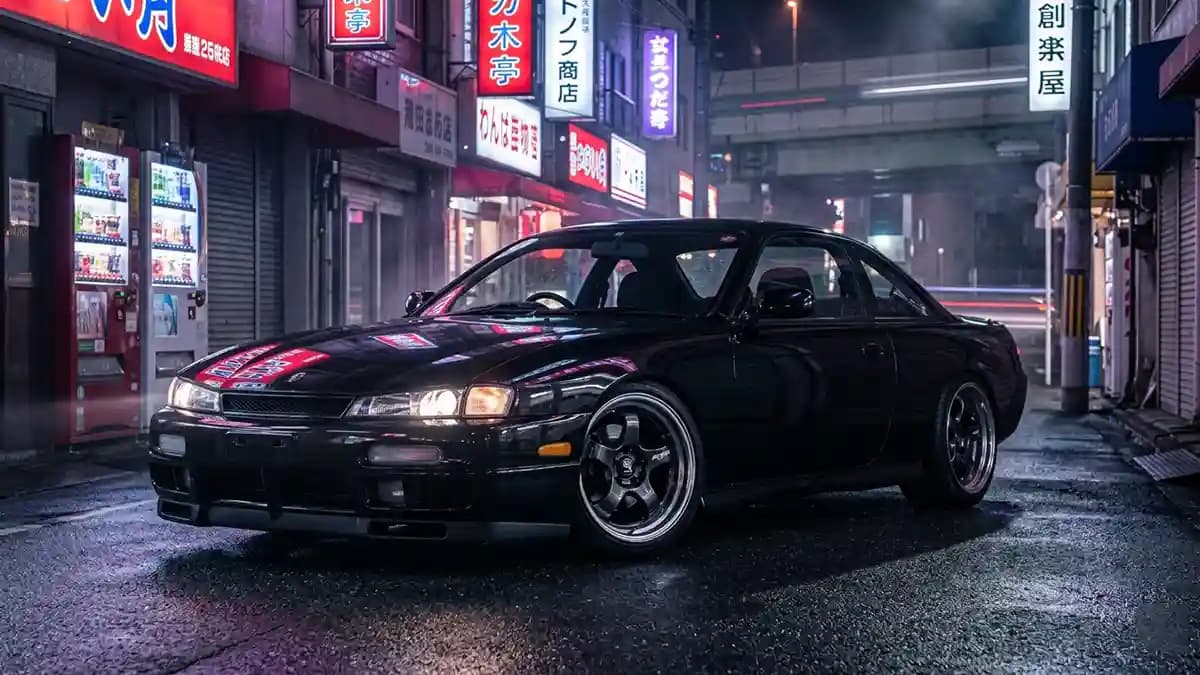
A JDM style guide for Night Runner culture only works when the emblems look like part of the car, not like you panic bought a sticker pack at 1 a.m. I learned that the hard way staring at a clean hatchback with good wheels, good stance, and one messy cluster of decals that ruined the whole mood. The Night Runner look still works in 2026, but only when the car follows one clear visual language from wheel center to glass. You can still see that mix of old icons and fresh reinterpretation in Japan right now, with Nissan showing a one off R32 EV at the 2025 Tokyo Auto Salon, TOM’S revealing a modernized AE86 restomod this month, and Osaka Auto Messe 2026 already set for February 13 through 15.
I need to be clear about one thing. I like the visual language around Kanjo and Night Runner culture, not the reckless part. Road and Track and MotorTrend both describe the Kanjozoku scene as illegal and dangerous street racing on Osaka’s loop roads, and that is not the piece worth copying. The part worth borrowing is the stripped down aggression, the graphic discipline, and the feeling that every mark on the car means something.
That meaning matters. A recent piece in The Drive points out that Japanese car culture is shaped by language and symbolism, and that kanji often carry ideas and themes, not just sounds. That is why the right emblem feels sharp and intentional, while random internet characters feel fake in about three seconds.
What the Night Runner look really is
Most people think the look is black paint, white wheels, and a windshield banner. That is the cheap summary. The real version feels tighter than that. It is tense, edited, and a little raw, like the car just came out of a night garage and has somewhere to be.
When I picture a good Night Runner build, I do not start with a huge decal. I start with the outline of the car at night, the stance, the wheel face under a street light, and one small graphic that makes the whole thing feel faster. The best builds look believable. That is why custom emblems matter so much.
Here is what I look for when the style works.
A serious base color, like white, silver, black, gunmetal, or a deep factory shade.
A small number of graphics with one clear theme.
Wheels and center emblems that support the car instead of fighting it.
One accent color at most.
Enough empty space for the eye to rest.
That last one is the killer. People get excited, order ten things, and turn a good car into a rolling group chat. A Night Runner inspired build should feel edited. Not crowded. Not loud for no reason.
Why most JDM stickers look wrong
I was in a garage with a friend and his Civic looked almost perfect. Good wheel spec. Nice tire. Honest old paint. Then I saw three fonts, two fake Japanese phrases, and a wheel emblem that was just a little too large. It was like hearing one bad note in a good song over and over.
Most bad JDM stickers fail for three reasons. Fake meaning. Too much color. Bad fit. One mistake you can survive. Three at once and the car starts looking like a joke.
This is the filter I use before anything touches the car.
Does it mean something real.
Does it match the era of the car.
Does it match the wheel brand, paint, and trim.
Is the surface flat enough for a clean dome.
Is the size based on the real landing zone.
That last point matters a lot. The current Impossible Stickers fitment guide says to measure the visible flat circle in millimeters, not the whole cap and not the outer lip. The shop’s about page says the same thing in a more human way, they would rather help you measure than watch you guess and miss by a hair. That is good advice because a round emblem is brutally honest.
The emblem rule nobody tells you
Small parts judge the whole car. Wheel centers sit dead in the middle of the wheel, so your eye lands on them every time. If the emblem is crooked, too loud, or too big, the rest of the build has to work overtime to hide it.
That is why I like domed emblems for this style. Flat vinyl can work on glass, but a wheel center wants depth. The current Advan and Toyota TRD product pages at Impossible Stickers both list a premium vinyl base, a 3D domed resin coat, and sizes from 20 to 120 mm. That range matters because JDM builds are often mixing factory caps, aftermarket caps, and old wheel hardware that does not follow one neat rule.
Materials matter too. The same Advan page lists them as scratch resistant, waterproof, tear resistant, and UV resistant, while the company about page says they test for heat, water, and normal car washes because wheels live in a rough place. Cool means nothing if the edge starts lifting after a few washes.
How to pick the right graphic language
This is the fun part. Also the part where people buy too much nonsense. The trick is to pick one lane and stay in it.
I break the Night Runner look into four easy buckets.
Kanji with intent
Use this when the character or phrase actually says something you want the car to say. Power. Night. Spirit. Speed. A team name. A nickname. Something real. The Drive’s recent language piece makes the point that kanji can carry ideas and themes, and that is why random machine translated stuff feels dead on a car.Osaka street cues
This is rougher and more direct. It works best in tiny doses, one rear glass hit, one wheel center theme, one quiet nod to the culture.Old school racing energy
Think simple block lettering, heritage wheel branding, red accents, and period correct color. This looks great on older Hondas, Nissans, and Toyotas.Modern stealth JDM
Black, brushed silver, clear domes, almost no noise. Less costume, more confidence.
Once you choose your bucket, protect it. Do not add a cartoon sticker, a chrome skull, and three extra fonts because you got bored. You are building a mood, not emptying a drawer.
Best emblem choices by car and wheel vibe
Some cars can handle a louder move. Others need restraint or they look silly fast. Here is how I usually think about it.
Honda likes urgency. Red accents, white on black, or a very clean motorsport look usually work best. A browse through the Honda wheel emblems section shows how simple the strongest versions are.
Nissan likes a darker, more industrial feel. Gunmetal, brushed silver, white on black, or a heritage wheel brand hit usually suits the car. That is where the Nissan wheel emblems category helps.
Toyota can lean old racing, TRD red, or quiet monochrome depending on the build. The Toyota wheel emblems section is a good place to start when you want heritage without making the car look overdone.
Wheel brands are where you can get smart. A proper Advan wheel emblem on the right wheel can do more for the car than five body decals. Same story with a Toyota TRD domed sticker when the rest of the car already speaks that language. Use product logos like signatures, not wallpaper.
Where custom emblems should go
Placement is where taste shows up. You can buy the perfect emblem and still ruin the look by putting it in the wrong place.
This is my order of attack.
Wheel centers first.
Rear quarter glass second.
Rear glass third, if the rest of the car is restrained.
Tiny interior details last.
I almost never tell people to start with the hood or door. That is how you go from cool to try hard in one afternoon. Start small. Walk back ten feet. Then decide if the car still needs more. Most of the time it does not.
That restraint matters. The Drive’s recent culture piece argues that Japanese design often finds beauty in small things, symbolism, and minimalism, and that lines up perfectly with emblems on a street car. One tight detail usually beats five average ones.
How to size your wheel emblems without guessing
If you buy wheel emblems by car model alone, you are gambling. Factory caps change. Aftermarket wheels change even more. And older JDM cars are often wearing parts that have already lived three different lives.
This is the routine I trust.
Pop one cap out if you can.
Clean the face.
Measure only the visible flat circle.
Ignore the outer lip unless the emblem will sit on it.
If the edge rolls, go a little smaller.
Dry fit before you peel anything.
That matches the current How to measure your wheel center cap for a perfect sticker fit guide, and it also lines up with the broader history of car wheel emblems piece, which points out that aftermarket fitment gets easy the second you stop forcing OEM logic onto an aftermarket wheel. Measure the wheel in front of you. Not the badge in your memory.
If you are unsure, take a photo and ask before you order. That is still faster than pretending the wrong size looks fine and then staring at it every time you walk toward the car.
Four Night Runner combos I keep coming back to
White hatchback, bronze or gunmetal wheels, red and white wheel center hit
This is the classic heartbeat combo. Fast, honest, and sharp without trying too hard.Black coupe, brushed silver centers, tiny rear quarter text
Very little visual noise. Very strong mood. This works because it trusts the shape of the car.Silver sedan, old school wheel brand emblem, one quiet kanji detail inside
This is grown up JDM. You know what it is, but it does not need to shout.Dark Nissan, heritage wheel branding, almost no body stickers
This is my favorite. Serious, a little mean, and much cooler in person than on a mood board.
Notice what is missing. No fake carbon overload. No random cherry blossom pack. No phrase in Japanese that you cannot read and nobody asked for. Good taste is subtraction.
My final take
The best JDM stickers for Night Runner culture are the ones that look like they belong to the car’s story, not to a late night impulse buy. Pick a real theme, use kanji with intent, keep the color tight, and measure the wheel center like an adult. Borrow the spirit, not the dangerous nonsense. Do that, and the car looks sharper every single time the light hits the wheel face.
Quick Q and A
Q: Are kanji decals still cool, or do they look played out?
They still work when the wording has meaning and the placement is tight. They look tired when they are random, huge, or mixed with three other visual themes.
Q: What cars fit the Night Runner style best?
Older Hondas wear it easiest because the real Kanjo visual history is tied hard to Civic hatchbacks. But clean Nissans and Toyotas can pull it off too if the graphics stay disciplined.
Q: Should I put custom emblems on all four wheel caps and the body too?
Start with the wheel centers. Then step back and look. Most cars need less than you think.
Q: What finish looks best for this style, gloss or matte?
Usually gloss on the wheel center and a quieter finish everywhere else works best. You want one place for light to catch, not ten.
Q: How do I avoid buying the wrong size?
Measure the visible flat circle in millimeters, not the whole cap. That one habit saves more money and frustration than almost any styling trick.