
Why Your Wheel Stickers Keep Peeling Off (And How to Fix It for Good)
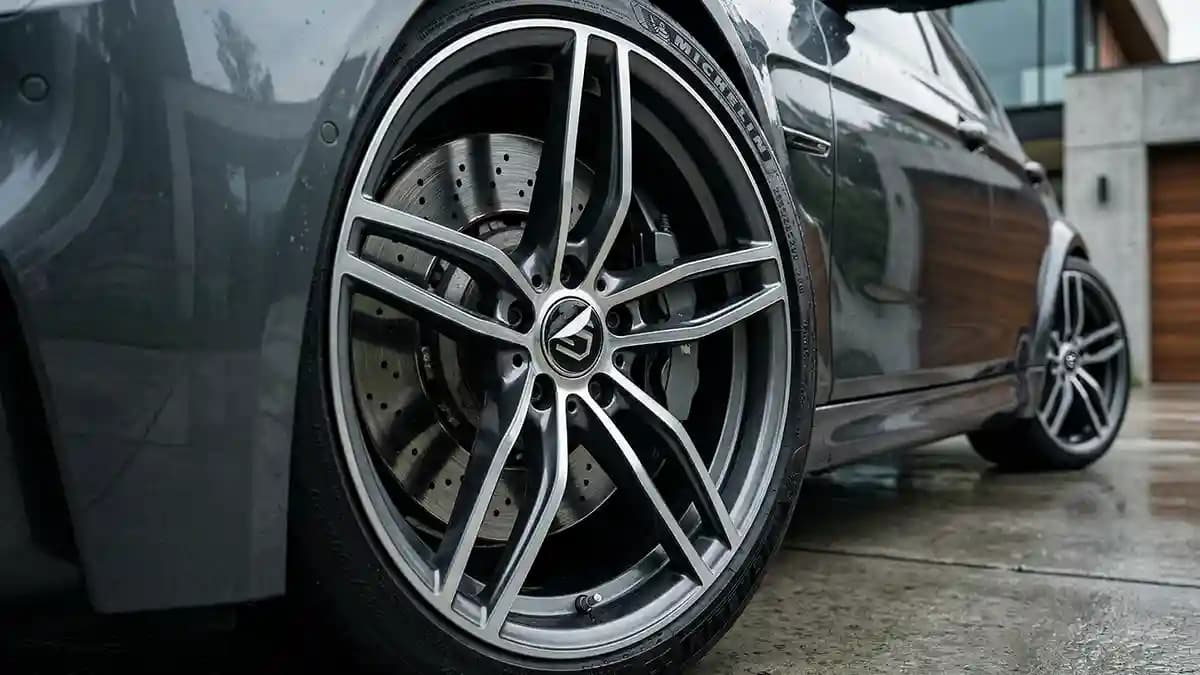
Wheel sticker peeling off is not bad luck, it is usually bad prep, bad sizing, cold install, or a cap face that was never flat enough in the first place. I was standing in a parking lot last week staring at a clean car with one center cap that looked like it had given up on life. The wheel was spotless, the paint looked great, and then right in the middle sat one sad sticker with a dirty edge curled up like a potato chip. That is the thing about wheel stickers, when one starts peeling, your eye goes straight to it and then refuses to shut up.
Most people blame the sticker first. I get it. That feels easy. But a pressure sensitive adhesive bond lives or dies on surface prep, contact pressure, temperature, and time, and even current wheel care guidance still leans hard on clean, dry surfaces, room temperature bonding, and gentle wheel cleaning with mild soap, soft wash tools, and pH neutral cleaners when needed.
Why a center cap sticker won't stick, even when it looked fine on day one
This is the part that tricks people. A sticker can look perfect right after install and still be doomed by dinner. You press it on, step back, feel proud, and then a week later the edge starts lifting like it is trying to wave at traffic. What happened is simple, the bond never got a real clean start, so the first heat cycle, wash, or little bit of grime found the weak spot and got to work.
Pressure sensitive adhesives are built to bond when you apply pressure, but they work best at room temperature and lose tack when things get too cold. 3M also notes that better pressure gives better surface contact, and that bond strength keeps building after install, with a big jump over the first day and full strength later. So yes, that sticker that “felt stuck” after ten seconds still needed time to settle in and grab properly.
The six real reasons wheel emblems start peeling
If your center cap sticker won't stick, one of these is usually the reason. Sometimes you get two or three at once, which is the wheel version of getting punched, then kicked, then laughed at.
The cap was not truly clean. Brake dust, wax, tire shine, road film, and old glue residue are glue poison.
The surface was not dry. Adhesives want direct contact with the cap, not hidden moisture around the edge.
The sticker was the wrong size. If it rides onto a lip or bevel, the perimeter starts a fight it cannot win.
The cap face was curved or textured. Even a good wheel emblem adhesive struggles on a bad landing zone.
The install happened cold, or without enough pressure. Low temperature hurts tack, and weak pressure leaves gaps.
The car got washed too soon, or blasted too close. A fresh bond needs peace, not a pressure washer pointed at the seam.
The edge is where the truth lives
Here is my rule. I do not judge a wheel sticker by the face, I judge it by the edge. The face can still look glossy and sharp while the perimeter is already collecting dirt, water, and grit. Once you see a dark ring, one corner lifting, or one side reflecting light different from the rest, the sticker is already on borrowed time.
That ugly ring shows up because water and grime keep finding the same weak line. Brake dust is abrasive, wheel grime holds moisture, and hot wheel surfaces do the bond no favors if the install was sloppy from the start. Wheel makers still warn against washing hot wheels, against abrasive tools, and against harsh acidic or alkaline cleaners for exactly this reason, because the surface finish and the bond line both hate that abuse.
Before you fix it, figure out which problem you actually have
Do not slap a new emblem over a bad situation and hope for a miracle. That is like putting clean socks on muddy feet. You are still walking around with a problem, you just wrapped it in optimism. Use this quick check first.
If the old sticker lifts only on one side, look for a dirty lip, curved cap face, or off center install.
If the whole sticker feels loose, blame poor cleaning or washing too soon.
If the edges are lifting all the way around, the size is usually too big, or the face is not flat enough.
If the cap surface feels rough, waxy, or greasy, the bond never had a fair shot.
If the sticker was applied in a cold garage, start there. Cold parts make adhesive act grumpy.
That little diagnosis step saves money. It also saves you from blaming the wrong thing and doing the same bad install twice. If you want more help on sizing before you buy, read Millimeters Matter: How to Use Digital Calipers for a Perfect Fit, because one millimeter is enough to make a clean wheel look goofy.
How to fix wheel sticker peeling off for good
Now for the part people actually need. Not the blame. The fix.
Step 1, remove the old sticker and the old lie under it
If the old emblem is already lifting, take it off. Do not press it back down and pretend you solved something. Warm it gently with a hair dryer on low if needed, peel it slowly, then clean off every bit of leftover glue and grime before you even think about the new one.
Start with mild soap and water, then dry the part fully. After that, wipe the exact bonding area with isopropyl alcohol and let it flash off completely. 3M still recommends an IPA and water mix for many bonding surfaces, and its prep guidance keeps repeating the same boring truth, clean, dry surfaces bond better than dirty ones.
Step 2, make sure the face is flat enough and the size is right
This is where people get stubborn. They measure the full cap, the raised lip, or whatever circle looks important, then wonder why the new piece rides up on the edge. The sticker only cares about the flat landing zone where it actually touches, not the whole dramatic shape around it.
Impossible Stickers says it plainly in the site Frequently Asked Questions, fit is based on the visible flat circle, and the best hold comes from a flat, smooth cap face. The same guide also suggests choosing the exact size or going 1 mm smaller for a cleaner edge when needed. That tiny safety margin is not cowardly, it is smart.
If the cap face is deeply curved, very textured, or recessed like a little bowl, stop and think. You may need a different cap solution, or a different emblem style, not more hope. A flat sticker on a shape that fights it will peel again, and then you will say bad words in the driveway.
Step 3, install it warm, calm, and with actual pressure
You want the cap dry, the part warm, and your hands clean. Not hot enough to cook breakfast on the wheel, just normal room temp and relaxed, because adhesives behave better there and wheel surfaces do too. Do a dry fit first, line it up once, then place it with intention instead of drifting into position like a shopping cart with a bad wheel.
Then press from the center outward. Work across the face, then around the full perimeter, not just the middle. 3M notes that firmer application pressure improves adhesive contact, and in real life that is exactly what keeps the edge sealed instead of acting weird later.
Step 4, leave it alone after install
This part hurts impatient people. You install the emblem, it looks great, and suddenly you want to wash the whole car or poke the edge every fifteen minutes like you are checking a cake. Do not do that.
A fresh bond keeps building after install, and site guidance from Impossible Stickers says wait at least 24 hours before washing and 48 hours before an automated wash, with extra care around pressure washing near the edge. That lines up with 3M bond build guidance, which shows bond strength rising over time instead of peaking the second the sticker touches the cap.
What kills the repair after you finally did it right
A good repair can still get ruined by bad habits. Wheel centers live low on the car where heat, grit, salt, and wash abuse all show up first. Here are the habits I cut out fast.
Do not wash hot wheels. Let them cool first.
Do not use abrasive pads, stiff scrubbers, or harsh chemicals on the center area.
Do not leave wheel cleaner sitting there forever. Use mild soap when you can, and stick to wheel safe, pH neutral cleaners when stronger cleaning is needed.
Do not jam a pressure washer nozzle right into the seam.
Do not keep a sticker that already has dirt packed under the edge. Replace it before it leaves the chat.
If your car sees winter roads, pay extra attention. Road salt and packed grime keep the edge wet and dirty, which is exactly the ugly combo that helps peeling start. That is why I tell people to rinse winter wheels often and not wait for the cap area to turn into a crunchy science project.
When the sticker is not the real problem
Sometimes a wheel sticker peeling off is telling you the cap itself is tired. The face is pitted. The plastic is warped. The old emblem left a weird crater. Or the cap is so curved that any flat overlay is going to start an argument with physics.
That is when I would rather start fresh with properly sized wheel emblems, and if you want to understand why the good ones feel different, the How It’s Made page is worth a look. Print quality, clean cutting, the dome, and the cure all matter because the finish only looks premium when the whole chain is done right.
The short garage routine I trust
I keep this simple because complicated routines get skipped. And skipped steps are how you end up buying the same thing twice.
Wash the cap with mild soap and water.
Dry it fully.
Wipe the exact spot with alcohol.
Dry fit the emblem before peeling.
Install at room temp.
Press center first, then the full edge.
Leave it alone for a day before washing.
That routine is boring. That is why it works.
Quick Q and A
Q: Why is my wheel sticker peeling off at the edge first?
Because the edge is where water, dirt, and bad contact show up first. If the cap was dirty, curved, too cold, or the sticker is a hair too big, the perimeter starts failing before the middle does.
Q: What is the best cleaner before I apply a new wheel emblem?
Start with mild soap and water, dry the cap, then wipe the bonding area with isopropyl alcohol. The goal is a clean, dry landing zone, not a shiny looking one.
Q: How long should I wait before washing the car after install?
Give it at least 24 hours, and be smarter than that if you are heading into an automated wash. A little patience right here saves a lot of fake anger later.
Q: Can I stick a new emblem over the old one?
Only when the old face is flat, solid, clean, and not already lifting. If the old one is peeling, swollen, or grimy at the edge, remove it first or the new piece will inherit the same bad life.
Q: Does cold weather really make a difference?
Yes. Pressure sensitive adhesives bond best around room temperature, and low temps reduce tack. Cold installs are one of the sneakiest reasons a badge looks fine at first and then starts peeling later.