
How Wheel Center Caps Protect Your Hub and Bearings, It Is Not Just Looks
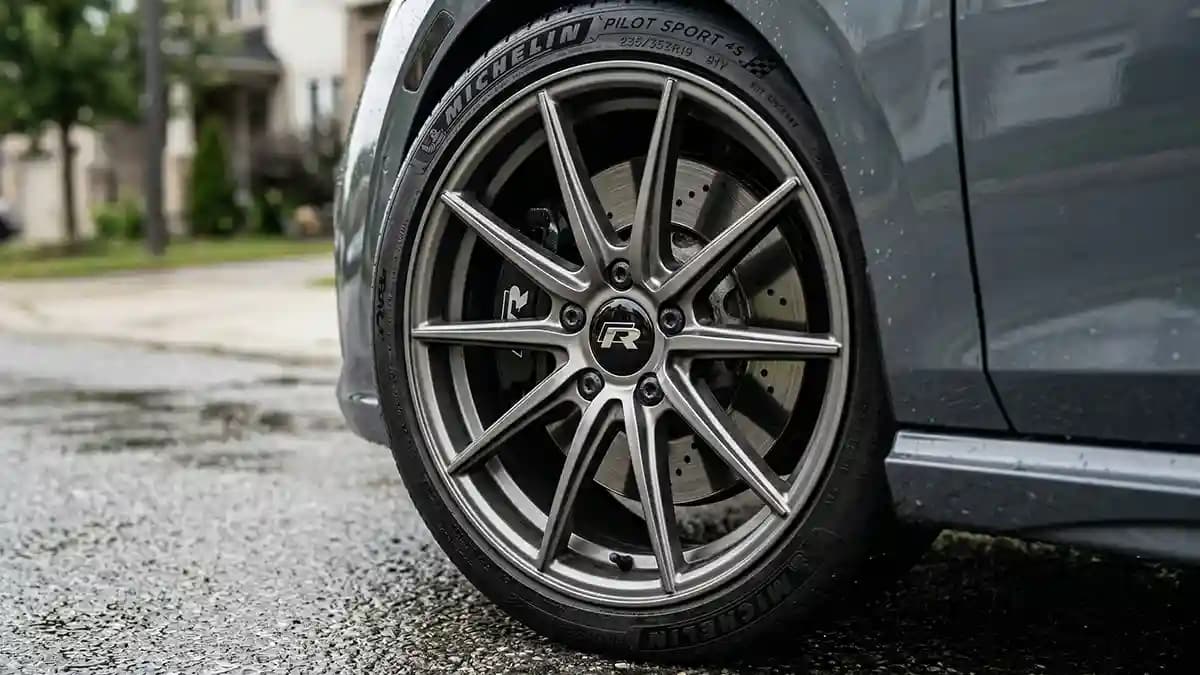
Why wheel center caps matter is simple, they keep the wheel center cleaner, help shield exposed hardware, and stop your wheels from aging like milk left on a radiator. I learned this the annoying way, crouched next to a dirty daily driver with one cap missing and one coffee going cold in my hand. From ten feet away the car looked fine. Up close, the open center looked like a tiny cave full of brake dust, wet grime, and regret.
A lot of people treat the center cap like a logo only, just a badge in the middle, nothing more. I get it, because that is the part you notice first. But the center of the wheel sits right in the blast zone for road spray, dirt, brake dust, salt, and heat. On many modern passenger cars, the main bearing protection is handled by sealed hub bearing units, not by the decorative cap itself, but the cap still helps protect the exposed wheel center area and keeps the wheel from looking half finished.
That distinction matters more than most people think. A decorative center cap usually covers the middle hole of the wheel. A dust cap is a more functional cover used on certain hub setups, especially trailers and older serviceable bearing arrangements. A full wheel cover is the larger piece that snaps over most of a steel wheel. Mix those up once and you will spend your afternoon measuring the wrong thing while talking to yourself like a lunatic
Here is the plain version of what a center cap helps with on a normal road car.
It covers the exposed middle of the wheel, so dirt and water do not hit that area as directly.
It helps keep the wheel center and visible hardware cleaner.
It reduces the ugly build up that makes a clean wheel look neglected.
It gives the wheel a finished look instead of leaving a hole in the middle like something fell off, because something did.
On some wheel designs, it is also part of the wheel’s intended fit and appearance package, not some random extra.
That last point is current, not old trivia. Tire Rack still lists wheels with OE cap compatibility, meaning they are designed to work with original factory center caps, and it also lists wheels that come with their own included center caps or sell replacements separately. So even in current wheel listings, the center cap is still part of the real wheel setup, not just decoration for people who polish their tires too often.
I have seen this play out on daily drivers a hundred times. One cap goes missing. The owner shrugs because the car still drives fine. Then rain, road salt, and brake dust start seasoning the exposed center like a greasy little casserole. A few months later the other three wheels look decent, the open one looks abandoned, and suddenly that tiny missing part is the only thing your eyes can see. Cars are rude like that.
What center caps actually protect on most modern cars
Let’s be honest, because this is where blog posts usually get silly. On many modern passenger cars, the actual wheel bearing is part of a sealed hub unit. SKF says current hub units use multiple lip seals to keep contaminants out and grease inside, and its passenger vehicle bearing kits are described as sealed for life. So on a lot of late model cars, the decorative center cap is not the main bearing seal. That job is already being handled deeper in the assembly.
But that does not make the cap useless. Not even close. The cap still covers the exposed center opening and helps keep grime off the visible hub area, off the axle nut or spindle hardware when that hardware is exposed, and off the surfaces you will eventually have to clean, inspect, or stare at every time you wash the car. Think of it like a hat. Your skull is still there without it, but the top gets beat up fast.
This is what that little cap is fighting every week.
Brake dust that sticks like it owes money.
Road salt that loves bare metal.
Rainwater and dirty spray thrown up by the tire.
Mud and grit that settle in the wheel center.
Heat and sun that beat up cheap plastic and weak finishes.
Car wash pressure that tests every loose clip and tired edge.
Once a cap is missing, cracked, or loose, the wheel center gets dirtier faster. Exposed hardware starts looking rough. Cleaning takes longer. And the whole wheel starts reading as old, even if the rest of the car is still in good shape. It is one of those tiny details that changes the whole face of the wheel, which feels unfair, but so does stepping on a socket in the dark.
The center cap still helps maintenance, even when it is not the main seal
There is another part people skip, maintenance gets uglier when the wheel center is always exposed. Alcoa says hub covers help keep wheels cleaner by shielding them from dirt, debris, and the elements, and says they can protect lug nuts and the wheel surface from rust, corrosion, and dust build up, which also makes maintenance easier later. That lines up with what I see in real garages. Clean hardware comes apart easier. Crusty hardware comes apart after a fight.
I have had wheels in front of me where the spokes looked decent, the tire was fine, the finish was still alive, and then the middle looked like it had spent winter at the bottom of a puddle. One missing or broken cap can do that. Not overnight. Slowly. That is why people ignore it until the problem gets loud enough to annoy them.
A decent center cap helps you avoid all this nonsense.
Dirt packed around the center bore area.
Moisture sitting on exposed metal after rain or wash days.
Surface rust starting where the eye goes first.
Extra cleanup every time you detail the wheels.
That one ugly missing circle that ruins every photo of the car.
And yes, looks matter here too. The wheel center is where your eye lands first, almost every time. You can scrub the barrel, clean the spokes, dress the tire, and still lose the whole visual fight if the middle looks wrong. Small part, big job, irritatingly big job.
When the cap really does matter for bearing protection
Now for the part that changes depending on the setup. On trailer hubs and some serviceable wheel end designs, the center hardware is doing a much more serious job. Lippert says trailer dust caps protect the outer bearing from dirt, water, and debris, and notes that on standard grease packed hubs the dust cap also helps retain grease and reduce contamination that can lead to bearing wear or overheating. That is not just trim. That is a real mechanical protection part.
So when someone says, “The cap protects the bearings,” the answer is yes on some setups and not in the same way on others. That is why naming the part correctly matters. A decorative center cap on a modern alloy wheel is not the same thing as a trailer dust cap or grease cap, even though they both sit in the middle and both get called “hubcaps” by half the internet and one uncle who has not updated his car words since 1998.
This quick breakdown keeps the whole thing straight.
Modern passenger car with sealed hub bearings, the center cap mostly protects the exposed wheel center and helps finish the look.
Trailer hub with serviceable bearings, the dust cap plays a direct role in keeping dirt and water away from the bearing area and can help retain grease.
Steel wheel with a full wheel cover, the cover can shield the center and hardware too, but it is a different part again.
Aftermarket wheel with OE cap compatibility, the cap is still part of fitment and the intended finished look.
Decorative emblem or domed overlay, that improves the visible face, but only if there is a flat surface for it to land on.
That fifth one matters if you are refreshing the face instead of replacing the whole cap. A decorative emblem fixes the visible top, not the broken plastic body underneath. People try that shortcut all the time. Sometimes it works. Sometimes it turns into arts and crafts with bad language.
Why aftermarket wheels make center caps more confusing
Aftermarket wheels are where good intentions go to die. People assume the badge on the hood tells them the size in the wheel. It does not. The wheel decides the cap. The cap decides the visible landing area. And the flat face decides what emblem or overlay actually fits. That is why I always tell people to stop buying by model name first and start buying by the wheel sitting in front of them.
Current wheel listings back that up. Tire Rack shows wheels that accept original equipment caps and others that use their own included caps or sell replacements separately. So the cap is tied to wheel design, not just brand identity. Same car badge, different wheel, different answer.
I have watched people measure the whole outer lip because it looked important, then order a nice new badge that landed on the wrong ring like a dinner plate on a mug. Bad fit. Bad look. Instant disappointment. The wheel does not care what you hoped for.
Before you buy anything, check these five things.
Are you replacing the cap body, the face emblem, or both.
Is the cap still clipping in tightly, or are the tabs cooked.
Is the visible face flat and smooth enough for a sticker or dome.
Are you measuring the flat landing area, not the outer edge.
Is the wheel using its original cap system or an aftermarket one.
If you get those five right, you skip most of the stupid mistakes. If you get them wrong, welcome to the club, we meet in driveways and pretend we knew better.
What I would do if your center cap is missing, loose, or faded
I keep this simple. First, figure out whether the cap body is still there and usable. If the body is gone, cracked, or loose, replace that first. If the body is fine but the visible logo is faded, scratched, or just sad looking, then you can refresh the face. Clean first, measure second, buy third. Reversing that order is how money escapes.
This is the process I use.
Remove the cap if you can and clean the wheel center area well.
Inspect the cap body for cracked tabs, warped plastic, or loose fit.
Measure the flat visible face in millimeters.
Decide whether you need a full cap, a new face emblem, or a domed overlay.
Make sure the landing zone is flat, smooth, and dry.
Install carefully and give it enough time to bond properly if you are using an adhesive face.
If you are shopping the visible face, the safest place to start is Wheel Emblems. If you want to understand why a domed face adds depth and wipes clean easier after a wash, How It’s Made explains the resin layer and how it protects the print. And before ordering any overlay, read How We Work, because flat smooth surfaces only is one of those rules people ignore once and remember forever.
The answer I wish more drivers heard sooner
Wheel center caps are not magic, but they are not fluff either. On most modern cars, they help protect the exposed wheel center, keep visible hardware cleaner, and make the wheel look complete while the sealed hub unit handles the main bearing sealing job. On trailers and other serviceable hub setups, the dust cap at the center can play a direct role in keeping dirt and water away from the bearings. Know which part you have, replace missing ones early, and your wheels stay cleaner, nicer, and a lot less embarrassing up close.
Quick Q and A
Q: Do wheel center caps protect wheel bearings on a modern car?
Usually not as the main seal. On many modern passenger cars, the bearing unit is already sealed for life. The center cap still helps protect the exposed wheel center area from grime and moisture.
Q: Is it bad to drive with a missing center cap?
The car will often still drive fine, but the wheel center is left open to dirt, water, and corrosion. It also makes the wheel look unfinished fast.
Q: What is the difference between a center cap and a dust cap?
A center cap is usually the decorative piece in the middle of the wheel. A dust cap is a more functional cover used on some hub setups to protect the bearing area.
Q: Can I fix a broken cap with just a new emblem?
Only if the cap body is still good. If the tabs are broken or the cap will not stay in the wheel, replace the cap body first.
Q: Why do aftermarket wheels make center caps harder to buy?
Because some wheels use original factory caps, some use included caps, and some need wheel specific replacements. The wheel you have now decides the fit, not the badge on the hood.
Q: What should I measure before ordering a new face emblem?
Measure the flat visible face where the emblem will actually sit. Do not measure the outer lip just because it looks important.