
Best Domed Decals for Illuminating Badges on Next Gen EVs
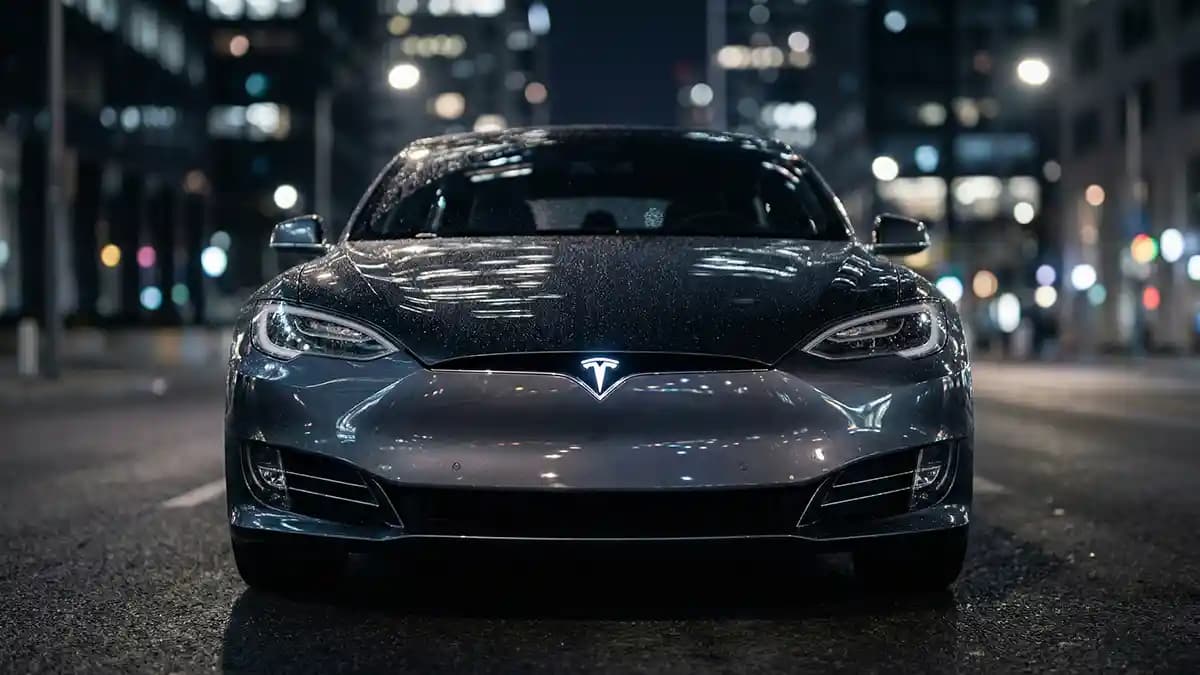
Illuminating car badges look incredible at night, but the best domed decals are the clear, flexible ones that protect the lens and keep the LED glow crisp. I learned that the hard way, wiping a glowing badge with a towel that was not as clean as I thought. The light made every tiny scratch pop like a neon sign, and it drove me nuts. So yes, the title is real, you can protect and even improve an illuminated badge, but only if you pick the right dome.
A friend rolled up last week in a new EV and the first thing I saw was the glowing logo, not the paint, not the wheels. From far away it looked like a factory light signature. Up close, the clear face had swirls, sand hits, and that foggy look that makes plastic seem old. He asked if his badge was defective, and I told him the truth, it is just exposed. Front badges live in the blast zone.
Illuminated badges are not a fad anymore, the car brands are building them into the identity. Mercedes sells an illuminated front star accessory that uses fiber optic and LED tech to light the emblem in the grille. BMW pushes the same idea with Iconic Glow kidney grilles, where LEDs light the frame and bars with white light. Audi talks about making illuminated rings real on the A6 e tron and even mentions the compliance work while rules were still taking shape. The common thread is simple, the badge is now a lighting part, so it needs headlight level care.
A domed decal is basically a sacrificial clear lens you add on top. It is a base film with a raised polyurethane dome, so you get a smooth curved surface that can take the abuse first. That dome also changes how light moves through the badge, so the logo can look deeper and cleaner when it is lit. Done right, it looks like a tiny clear coat layer with a built in lens effect. Done wrong, it looks hazy and cheap, and the glow turns uneven.
Here is what actually beats up illuminated badges. Road grit hits the badge like sandpaper at highway speed, bugs bake on, and winter salt turns into gritty paste that makes people scrub too hard. Strong cleaners can haze plastics and leave a film that ruins adhesion, so even a perfect badge can look old fast. The LEDs do not cause the damage, they just put a spotlight on it.
When I say “best domed decals” for illuminated badges, I mean best by spec, not best by hype. You want optical clarity, UV stability, heat tolerance, solid adhesive, and a rounded edge. If you miss one, you get dim light, hot spots, peeling edges, or a dome that turns amber. I have seen all of those, and every single one looks worse at night. Let me break down what matters, in garage words.
Optical clarity is the big one. Clear is not just see through, it means low haze, no milkiness, and no ripples that bend the glow. On an illuminated emblem, haze kills the clean look and makes the logo seem like it is behind fogged glass. The best domed decals look boring in daylight, then sharp and glassy at night, that boring daylight look is the sign you want.
UV stability matters because the dome is living outside, full time. If the dome yellows, your white light turns warm, and not in a good way. Yellowing also makes glow uneven because thicker areas tint more than thin areas. A good polyurethane dome is chosen because it can stay flexible and resist yellowing longer than many epoxy style domes. If you want the quick cheat on the material side, our epoxy versus polyurethane post shows the failure patterns in plain words.
Heat is the quiet troublemaker. An illuminated badge is a sealed housing with LEDs and sometimes a light guide, and those parts warm up. Mercedes even calls out fiber optic and LED tech for its illuminated star accessory, which hints at a real light system, not just a bulb. A cheap dome that softens, warps, or shrinks will ripple and lift at the edge. And once the edge lifts, water and grit start working under it.
Adhesive is not sexy, but it decides if your dome stays on. A dome is thicker than flat film, so wind and wash pressure pull harder on the edges. You need a glue that bonds hard to plastics, but does not fog the surface. You also need the badge surface free of wax, coating, and oily detail sprays, because those are basically anti glue. If you apply over residue, the dome can look fine today and lift next month.
Edge shape is the last big filter I use. Rounded edges shed water and resist peeling because there is no sharp corner to pry up. Resin domes naturally want to round out, which is good, that is the seal. Sharp edges invite pressure washer damage and freeze lift in winter. If you only remember one install rule, remember this, press the edge like it owes you money.
Now we get to the part everyone actually wants, what type should you choose. For illuminated badges, I use three buckets, and each bucket has a clean purpose. Pick the bucket that fits your style, then shop for quality inside that bucket. It is way easier than chasing random names.
Crystal clear dome for maximum brightness and factory look.
Light smoke dome for stealth, still bright but calmer.
Translucent diffuser dome for smoother, more even glow.
Crystal clear is the safe choice for most cars. You keep brightness high and the logo looks like it was meant to be there. A clear dome can also sharpen the edges of the logo when lit, because that curved surface acts like a soft lens. It is not magic, it is optics, but you will see it when you park at night. Clear also makes sensor safety easier, because there is no tint to mess with anything.
Light smoke tint is for people who want the glow but not the attention. It takes the edge off the brightness and can hide minor swirls under the tint. The warning is simple, too dark looks broken, like your badge is dying. If you want stealth, go light and keep the dome optically clean. Your goal is calm, not dim.
Diffuser style domes are for badges with LED hot spots. Hot spots are those bright dots you can count through the lens. BMW even lists diffuser film sets for its Iconic Glow grille setup, including matte transparent and matte black options, which tells you diffusion is part of making that glow look right. A diffuser dome spreads the light, so the glow looks smooth instead of pointy. You lose a bit of brightness, but the end look is more premium.
Before you stick anything on a front badge, think about sensors. Many modern cars hide radar or cameras behind badge areas, and some badges are actually sensor covers. If your badge area is a sensor cover, keep it optically clear and avoid metallic films, chrome, and heavy tint. Keep thickness reasonable and do not stack layers. If you are not sure, the owner manual and the badge surface itself usually give clues, because sensor covers often look like a smooth flat panel.
Ok, install time. The install is simple, but the timing and prep decide if it looks factory or looks like a craft project. Pick a mild day or a stable garage, because cold surfaces bond poorly and hot surfaces make you rush. Wash with mild soap, rinse, dry, then wipe with isopropyl alcohol to remove oils. Do not use ammonia glass cleaner on plastics, and do not use glossy detail sprays right before install, because residue will make the dome lift.
Alignment is the part people skip, then regret. A round dome that is off center by one millimeter will bother you every time you walk up to the car. I use a small piece of tape as a hinge, line it up, then peel the backing while the tape holds position. Set it down slowly, then press from the center outward to avoid trapped air. Spend extra time on the perimeter, because the perimeter is what keeps water out.
After it is down, press for a solid thirty seconds, then do another slow lap around the edge. Use a clean microfiber over your thumb so you do not scratch the dome while you press. Then leave it alone for a couple days, because adhesive bond strength builds over time. Do not blast it with high pressure water the next morning, that is how you peel edges. Patience is cheaper than buying twice.
Here are the three install mistakes I see constantly, and they are all easy to avoid. People either install over wax, touch the adhesive, or ignore the edge. None of that is complicated, it is just careless. If you fix these three, your success rate jumps.
• Remove wax and coatings with alcohol before you apply.
• Do not touch the adhesive backing with your fingers.
• Press the edge firmly, not just the center.
If you want a quick buying checklist, use this. It is the same one I use for wheel emblems, but it applies even more to illuminated badges because light shows flaws. You do not need a chemistry degree, you need clean photos and honest material info. If a listing hides the material, skip it.
• The dome is polyurethane and described as UV stable, not just “resin.”
• Daylight photos show true clarity and clean reflections.
• The edge looks rounded and even, not jagged.
• The product mentions outdoor use and washing.
• Diffusion is described as matte or diffuser, not “dark tinted.”
If you want a clean place to browse without guessing, start with our Wheel Emblems collection, because sizes and dome builds are organized. For a full overview, use the shop all products page and filter by what you drive. If you drive a Mercedes and want brand options fast, the Mercedes collection is a quick jump. These pages are about fit and build, not just pretty pictures.
To make the build idea concrete, I like showing two product pages that clearly show the dome and the edge. The Porsche Domed Sticker Self Adhesive High Quality shows the raised clear layer, and the Porsche Wheel Emblem Self Adhesive High Quality shows that same style used on a wheel center overlay. The brand is not the point, the structure is. A clean base, a proper dome, and a rounded edge is what survives weather and washing.
If you want to go deeper on why material choice matters, these two blog posts do the job without fluff. Read Epoxy vs. Polyurethane: The Science of Why Cheap Stickers Fail to learn how to spot yellowing, shrink, and cracking early, then read The Anatomy of a Dome: Understanding the Clear Protection Layer to see why the clear layer is the product. Once you get that, you stop buying domes that only look good in listing photos. It is the fastest way to get picky, in the best way.
One last note on rules, because this topic touches lighting. Audi literally calls out legal requirements as part of the illuminated rings story, because the rules had to catch up for the European market. UNECE lighting documents discuss logo light emitting surfaces inside the vehicle lighting regulation space, which is a simple reminder that there are limits on what a logo light can be. Factory setups are usually fine, aftermarket setups are where you should check local rules. I am not trying to scare you, I am trying to keep you from getting a ticket for a glowing logo.
Bottom line, the best domed decals for illuminating badges on next gen EVs are clear or diffuser style polyurethane domes with strong adhesive and a rounded edge. Pick clear for brightness, pick light smoke for stealth, pick diffuser for smooth glow. Clean the surface, align carefully, press the perimeter, then let it bond. Do that and your badge stays sharp, instead of turning into a scratched night light.
Quick Q and A
Q: Will a domed decal make my illuminated badge dim?
A: A crystal clear dome changes very little, but a diffuser or tint will lower brightness some. The trade is smoother glow and fewer hot spots.
Q: Can I cover a badge that hides radar or a camera?
A: Be careful, some badges are sensor covers. Use optically clear material, avoid metallic films, and keep thickness reasonable if you are unsure.
Q: How long should I wait before washing after install?
A: Give it a couple days before high pressure water. Gentle normal washing is safer once the adhesive has had time to bond.
Q: Why does my badge look cloudy under light?
A: That is usually haze or micro scratches in the clear surface, not dirt. A low haze dome and gentle washing keep the glow clean.
Q: Do domed decals protect against road grit?
A: They help a lot with small grit and swirl marks because the dome takes the abuse first. Big rock hits can still damage anything, but the odds get better.