
The Future of Automotive Emblems: Smart NFC Domed Badges for Connected EVs
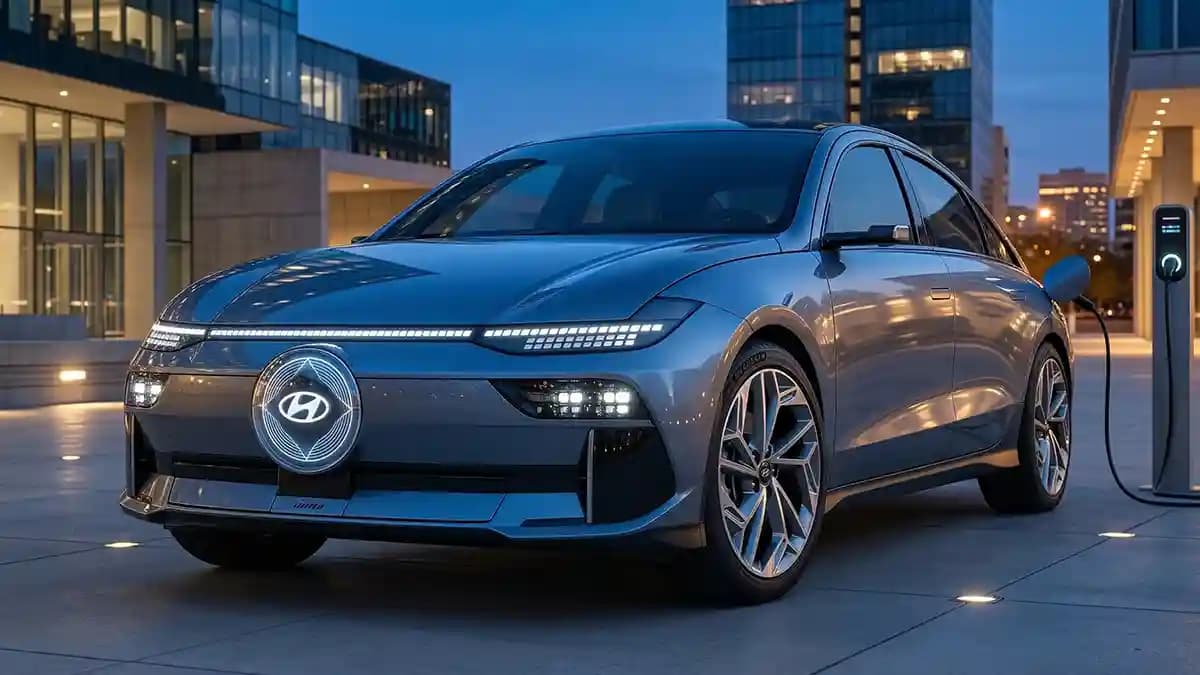
Smart NFC domed badges really do look like the future of automotive emblems, and not because somebody made a flashy concept render at 2 a.m. It makes sense because the building blocks are already here. The Car Connectivity Consortium already treats digital keys as a real cross industry system, Apple already lets compatible cars use digital keys in Wallet, Android already pushes digital car key as a live feature, and NFC Forum keeps expanding what a simple tap can do.
I was standing next to a very clean EV last week, black paint, calm wheels, no nonsense anywhere, and the only thing that looked old was the badge. That tiny circle felt weirdly dumb on a car that could preheat itself, plan a charge stop, and talk to your phone better than some people do. That was the whole light bulb moment for me. The emblem can stay pretty, sure, but it can also do a job now.
That is where smart NFC domed badges get interesting. I am not talking about turning the front logo into a glowing casino chip that screams for attention. I mean a clean badge, usually on a wheel center, charge port area, key fob, or trunk detail, with a small NFC layer under a tough clear dome. You tap it, your phone reacts, and the car or the owner gets something useful.
The reason NFC fits this job so well is almost boring, and boring is good. NFC is short range on purpose, which means you have to be close and deliberate when you use it. NFC Forum describes it as a short range technology for secure, quick exchanges with a tap, typically within a few centimeters, and Release 15 is meant to make that contactless moment more reliable by extending the certified range up to 2 cm. That tiny distance is a feature here, not a flaw.
What a smart badge actually is
Most people hear “smart badge” and picture a screen. Nope. The first good version is way simpler than that, and that is why I think it has a shot. It is just a layered part that hides the tech instead of showing off about it. If you already like clean wheel emblems, this is basically that same idea, just with a brain tucked under the surface.
A printed top design that still looks like a real emblem, not a gadget
A clear dome that gives depth, gloss, and scratch protection
A very thin NFC inlay or tag under the graphic
Adhesive or a fitted base that keeps the part centered and sealed
A programmed action that opens one specific thing on a phone
That one action is where the whole idea either becomes useful or becomes nonsense. If the badge opens a spammy landing page, it is junk. If it opens something you would actually use while standing by the car, then now we are talking. A charging shortcut, a proof of authenticity page, a garage contact card, a club pass, or a digital owner guide all make more sense than trying to cram ten dumb tricks into one tiny circle.
And this is not me inventing the whole tap based world from scratch. NFC Forum is actively pushing ideas like Multi Purpose Tap, and it has also positioned NFC as a carrier for digital product passport style data that stays tied to a physical product through its life. That matters, because it tells me the industry already sees NFC as a bridge between a real object in your hand and a live digital layer behind it.
Why connected EVs are the perfect match
EVs are the best home for this idea because the owner is already trained to use the phone as part of the car. Apple says compatible cars can use digital car keys on iPhone and Apple Watch, including passive entry on some models and remote entry features on compatible vehicles, while Android frames digital car key the same way, lock, unlock, start, and share. This is already normal enough that a tap enabled emblem no longer feels alien inside the EV experience.
The other reason is style. Modern EVs punish ugly details. The cleaner the body, the more obvious one cheap part becomes. That is why I keep coming back to the same rule from The 2026 EV Minimalist Aesthetic, the detail has to look like it belongs there before it earns the right to do anything smart.
A smart badge on a connected EV should feel invisible until you need it. You walk up, it just looks like a premium emblem. Then you tap it, and it does one clean thing fast. That is a much better user experience than digging through three apps and a slow menu while standing in the rain next to a public charger.
What the first good versions will probably do
This is where I think brands and custom shops can win without getting silly. The best first use cases are the boring ones that save a step. Not the “look what my badge can do” stuff. The “nice, that actually helped” stuff.
Open charging instructions for that exact car
Pull up a saved build sheet with wheel size, tire size, and trim info
Verify that the emblem itself is real and linked to the right order
Launch a clean digital business card for a dealer, garage, or fleet car
Trigger a club page, event pass, or private members link
Open a how to page for fitment, cleaning, or replacement parts
That last one is stronger than it sounds. Half the frustration around custom parts comes from lost notes, wrong sizes, and people forgetting what they bought six months ago. If the badge itself can point back to the right product info, sizing, or care steps, you cut out a pile of dumb customer pain before it starts.
Why the dome matters more than the chip
Here is the part people skip because tech sounds sexier than materials. The clear dome is not decoration. It is the thing that makes the whole part feel like it belongs on a car instead of on a cereal box. A chip hidden under a cheap flat sticker is still a cheap flat sticker, just with electronics inside.
That physical feel matters even more on wheels and charge port areas, because those spots get touched, wiped, washed, and blasted with grime. If the smart function works but the badge looks tired after one season, the product failed. If you want to see the production side, How It’s Made already shows why print quality, clean cutting, doming, curing, and final QC make or break the end result.
The optical side matters too. A dome acts like a tiny lens, which is great when the design is simple and centered. It makes logos feel deeper and richer without needing fake chrome or loud colors. On EVs especially, that little bit of depth is enough. You do not need the badge to yell.
The security part nobody should ignore
If a badge touches anything tied to vehicle access or identity, security cannot be a cute afterthought. The good news is the standards side is way more mature than it was a few years ago. CCC’s Digital Key program is built around secure, standardized interoperability, and the current certification scope covers NFC tap to lock, unlock, and start, plus BLE and UWB coverage for more advanced proximity and location aware functions.
That does not mean your wheel badge should become the only key to the car tomorrow morning. Real talk, I would not start there. The first smart emblem products should lean into controlled actions with low drama, things like opening trusted pages, launching approved functions, checking authenticity, or handing off information already meant to be shared. Let the serious access stack stay where the serious access stack belongs.
Apple’s security docs also make it clear that car keys in Wallet are treated as a proper secure key type, and Apple developer material says the native system supports pairing, sharing, and revocation without requiring an automaker app for the core features. That is a useful clue for badge design. The badge should be a clean handoff point into a secure system, not a weird replacement for that system.
Why close range is a huge advantage
A lot of people still think NFC is “old phone stuff” because it works close up. That is exactly why it fits an emblem so well. You want a badge to react only when somebody means it. NFC Forum still describes NFC as best suited to ultra short range, low latency, tap based interactions, and that is perfect for wheel centers, dash plaques, key fobs, and charge door areas.
QR codes can do some of this too, but they look worse on premium parts and they are more annoying in bad light or dirty weather. A hidden NFC layer under a dome keeps the physical part clean. Tap, done, move on.
Where I think these badges show up first
I would put money on four places showing up before everything else. Not because they are flashy, but because they make practical sense and they fit the way people already use connected cars.
Wheel center badges for clubs, fleets, shops, and custom builds
Charge port labels that open the right charging or service info
Key fob badges that link to owner info, setup, or contact details
Dashboard plaques for limited runs, event cars, and authenticated custom work
Fleet and dealer use feels especially strong to me. Imagine a used EV lot where every car has one discreet badge that opens the correct spec sheet and contact handoff in one tap. That is cleaner than paper tags on the windshield and a lot less clumsy than telling customers to scan five different codes.
Small business branding is another sleeper hit. NFC Forum’s product passport work is basically a reminder that physical objects can carry trusted digital context with them. For a premium custom brand, that could mean proof of origin, install help, reorder info, or even a verified design archive tied to the product itself.
The hardware is getting easier, not harder
This is another reason I take the idea seriously right now instead of filing it under “maybe later.” NFC Forum says Wireless Charging 2.0 added a smaller antenna class aimed at tiny IoT devices, and its 2026 roadmap says the group wants to keep evolving wireless charging, multi purpose tap, and digital key requirements over the next few years. That is not a promise that every badge will charge itself with magic. It is just a sign that the ecosystem is moving toward smaller, more flexible NFC hardware and richer tap based use cases.
What I would build first
If I had to build the first version tomorrow, I would keep it stupid simple. One premium domed emblem. One NFC action. One clean fallback if the phone does not support it. No app maze. No glowing ring. No fake spaceship nonsense.
A satin or gloss domed badge that still looks factory correct
A hidden NFC tag programmed to one job only
A landing page designed for a three second glance, not a sales pitch
A sealed construction that survives normal washing and handling
A size matched fit so the badge looks centered and intentional
That is also why guides like How To Replace EV Center Caps on Model 3/Y Aero Wheels still matter. Even when the badge gets smarter, fitment is still boring old fitment. If the diameter is wrong by one millimeter, the future still looks crooked.
So, are smart NFC domed badges actually the future
Yeah, I think they are, but only if they stay disciplined. The future of automotive emblems is not “more tech on the surface.” It is better hidden tech under a cleaner surface. The emblem still has to look right from six feet away before anybody cares what happens after the tap.
The good news is the standards and consumer habits are already catching up. Digital keys are real, secure tap interactions are real, and NFC keeps getting better defined for richer product and access use cases.
So my bet is simple. The next great badge will not just protect a logo. It will quietly connect the physical car to the digital layer behind it, and it will do it without making the car look like a toy. That is the kind of future I can get behind.
Quick Q and A
Q: What is an NFC domed badge on a car?
It is a badge with a clear domed top and a thin NFC layer hidden underneath. You tap it with a phone and it opens one specific digital action, like info, access, or verification.
Q: Can an NFC badge replace a full car key?
Not by itself in the simple versions I would trust first. The smarter path is using it as a handoff into secure systems that already handle the real access logic.
Q: Why is NFC better than a QR code on a premium emblem?
Because it keeps the part clean and easy to use. Tap is quicker, works better when the part is dirty, and does not force you to print a visible code on the badge.
Q: Where would you put a smart badge first on an EV?
Wheel center areas, key fobs, charge port zones, and small dash plaques all make sense. They are easy to reach and already feel natural for a quick tap.
Q: Will smart badges make cars look too gimmicky?
Only if the design team loses its mind. If the badge still looks like a proper emblem first and the tech stays hidden, it can actually make the whole car feel more modern, not more childish.