
The Magnifying Effect: How 3D Domes Enhance Design Clarity
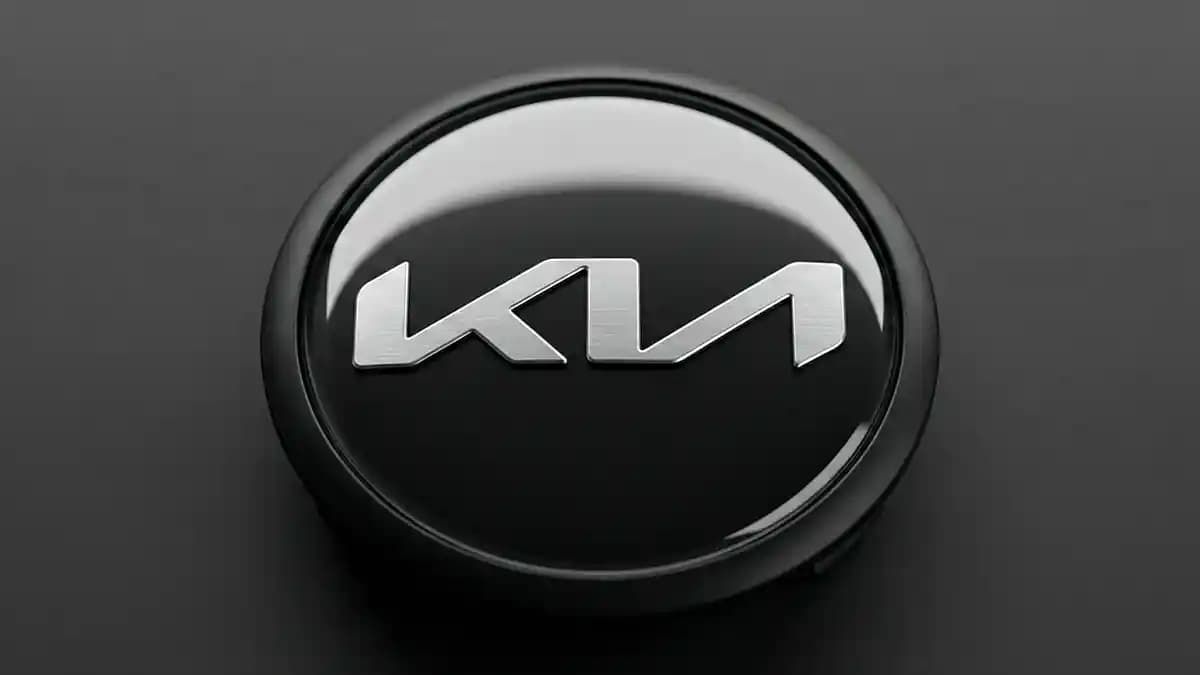
3D magnification is the real answer to The Magnifying Effect: How 3D Domes Enhance Design Clarity, because a clear dome acts like a tiny lens that makes a flat logo look sharper, deeper, and richer. I learned it the dumb way, crouched next to a wheel in my driveway, squinting at a center cap that looked fine in a photo and dead in real life. The print was crisp, but it still looked like a sticker, and the whole wheel felt cheap because your eye goes straight to the center. When I swapped it for a domed version, the same art suddenly looked like a badge.
The first thing you notice with a good dome is the light. The highlight slides across the surface like a drop of water, not like dry plastic. Edges look tighter, because the clear layer smooths the transition from ink to air. Colors look like you turned the saturation up one click, even though you changed nothing under the clear.
Why a dome behaves like a lens
A domed label is a clear curved cap over a printed graphic, and that curve bends light. Many doming manufacturers describe it the same way, the clear resin acts like a lens, and that is exactly what your eyes catch when you tilt it in the sun.
Light enters the curved surface, changes direction, then exits and changes direction again, and your brain reads that as depth. The image looks closer and a bit bigger, which is why a small emblem can look expensive.
Here is the simple garage version. Flat stickers are like looking through a window, you see the print and that is it. A dome is like looking through a drop of water sitting on the print, the drop makes the art look fuller. Some sellers even call it a lens shaped or lenticular effect, because the clear layer changes how the graphic reads.
The “pop” comes from curve plus clarity
The curve gathers light and throws it back as gloss and depth. But the resin also has to be clean, because a hazy dome is like dirty glasses. Doming resin guides get nerdy about optical clarity and refractive index because those two things drive magnification and color punch. High quality doming resins are often described as sitting around a 1.48 to 1.51 refractive index, which is a good clue that the maker cares about the lens part, not just “shiny.” If that line is missing, I assume the resin is cheap.
Why designs look clearer under a dome
A dome does not increase your printer resolution, but it can make edges look cleaner anyway. The curved clear layer reduces the flat cues your eyes use to judge a print, so you stop staring at dot patterns and start seeing the shape. The highlights also shift as you move, and that motion makes the logo feel like it has depth. That is why simple art looks so good under a dome.
There is also a physical reason it stays readable longer. The clear polyurethane layer is a protective coating, so road grit hits the clear, not the ink. In digital doming, polyurethane is used to create a dome shaped resin layer that forms because of surface tension while it cures.
If the clear stays smooth, your logo stays readable from a few steps away.
The magnifying effect can help, or it can expose mistakes
I love domes, but they do not fix bad art. A dome magnifies, so it can also magnify your bad choices, like tiny text crammed at the edge. It can show a messy cut line, because the highlight catches every wobble. And if the resin has bubbles, you will see them forever. The dome is honest, maybe too honest.
So you design for the lens, not against it. Big simple shapes look wild under a dome. Fine hairline details can turn into a mushy mess because the light bends through a thicker center and a thinner edge. Spacing and line weight matter more than people think.
My design rules for crisp domed graphics
I follow these rules because I got sick of reprinting my own mistakes. Every point exists because a dome is a curved lens, not a flat laminate. If you follow them, your domed sticker looks like a factory badge. If you ignore them, it looks like a glossy blob.
Use thicker strokes than you think you need, because the lens softens hairlines.
Increase spacing between small shapes, because tight gaps look tighter.
Keep important detail away from the cut edge, because the edge highlight is harsh.
Favor bold clean fonts over skinny fancy fonts, because skinny letters disappear first.
Avoid tiny outlines inside tiny outlines, because the dome turns them into noise.
Choose high contrast color pairs, because low contrast still reads flat.
If you are printing on clear or metallic films, plan your white base layer so colors stay solid. Without a base, inks can go translucent and you lose the punch you expected. Under a dome, that weakness can look even worse because the lens makes the background show through more. Opacity is boring, and it wins.
Dome thickness, the truth
People think thicker always means better, and that is not true. A dome can be thick and still look bad if it is wavy or hazy. Technical descriptions of digital doming mention resin layers up to about 5 mm in some applications, which is plenty of height.
The takeaway is simple, shape control matters as much as thickness.
On wheels, I prefer controlled height and a clean edge. A wheel center sees heat, water, and abuse, so the edge needs to stay sealed. This is also why I keep bringing up polyurethane, because the clear layer has to stay clear outside. If you want the quick explanation of why cheap resins yellow and crack, read Epoxy vs. Polyurethane.
The thirty second clarity test
Hold the emblem under a lamp and tilt it slowly. If the highlight looks like a clean straight band, the surface is level and the clarity is good. If the highlight breaks into waves or looks cloudy, it will look worse on the wheel, because outdoor light is brutal. If white areas already look cream, walk away.
Suppliers keep calling domes a lens for a reason, it magnifies and brightens the print.
That is also why they talk about refractive index and optical clarity, because a clear lens is the difference between premium and toy. You do not have to be picky, you just have to be honest about what you see. That one test saves you buying twice.
Where the magnifying effect looks best on wheel emblems
I see the biggest win on designs with clean shapes and strong colors. Simple crests, roundels, and bold letter marks look like they were molded, not printed. Metallic bases also look great because the dome makes reflections look deeper. Carbon pattern films look richer too, because the lens hides the flat print feel. It is a small part, but it changes the whole wheel.
If you want to browse examples, start in the Wheel Emblems collection and look at how different designs behave under the clear layer. If you want to compare everything fast, Shop All Products is the easiest way to scan finishes and sizes. And if you want the layer stack explained, read The Anatomy of a Dome. It is a quick way to pick a look that feels factory on your wheels.
Two product examples so this stays practical
When someone asks me what good clarity looks like, I point them at product pages with clean photos. Something like the Porsche Logo Sticker Premium Edition shows the core idea, a premium vinyl base plus a 3D domed resin coating, built to look deep. If you want a slightly different layout, the Porsche Domed Emblem Interior Design is another clean reference with the same concept. I do not care what you drive, the lesson is the construction and the edge quality.
Installation matters because the lens makes mistakes obvious
A dome looks premium when it is centered and clean. If it is off by one millimeter, you will notice it every time you walk up to the car. If there is dust under it, the dust looks like a crater because the dome magnifies it. Wheels are dirty, so you have to be a little annoying about prep.
This is my simple install flow for a wheel center. Wash the cap area with normal car soap, then dry it fully. Wipe the exact spot with isopropyl alcohol and a clean microfiber, then let it flash off. Place the emblem without peeling first, pick a reference, then peel and press from the center outward for about thirty seconds.
Then do the boring part, leave it alone. Give it a full day before you blast it with strong water or wheel cleaner. That waiting time is not superstition, it is just letting the adhesive settle and grab. Patience is cheaper than reordering.
What I want you to remember
The magnifying effect is why domes look like badges. The dome is a curved clear lens, so it boosts depth and makes colors feel richer, and doming sources describe this lens behavior in plain language for a reason.
The trick is pairing that lens with clarity that stays clear outside, and that is why polyurethane doming is used so often.
Pick a clean dome, design for the lens, and your wheel emblems stop looking like stickers.
Quick Q and A
Q: Do 3D domes really magnify a design, or is it just gloss?
Yes, the curve bends light like a tiny lens, so the image can look a bit larger and closer. Gloss helps, but the lens effect is the main reason it feels deep.
Q: Why do colors look more vibrant under a clear dome?
A clear dome can boost perceived contrast because highlights move as you change angle. When the resin is truly clear, colors also stay cleaner and more readable.
Q: Will a dome make tiny text easier to read?
Sometimes, but do not count on it. The lens can make it bigger, but it can also soften thin strokes, so tiny text can still blur.
Q: What ruins design clarity on domed stickers fastest?
Hazy resin, bubbles, and a messy cut edge. If the edge line is rough, the highlight will catch it and your eye goes straight there.
Q: Is polyurethane always better than epoxy for clear domes on cars?
For outdoor use, polyurethane is often chosen because it stays more stable in sun and flex compared to many epoxy domes. If you want the full breakdown, read the Epoxy vs. Polyurethane post and look at the failure patterns.
Q: How do I know if a dome is clear before I stick it on?
Tilt it under a lamp and watch the highlight. A clean straight highlight and water clear whites are the green lights.
Q: How long should I wait before washing after install?
One full day is a safe rule. It gives the adhesive time to settle so the edge stays sealed.