
UV Resistance Testing: How We Simulate Years of Florida Sun
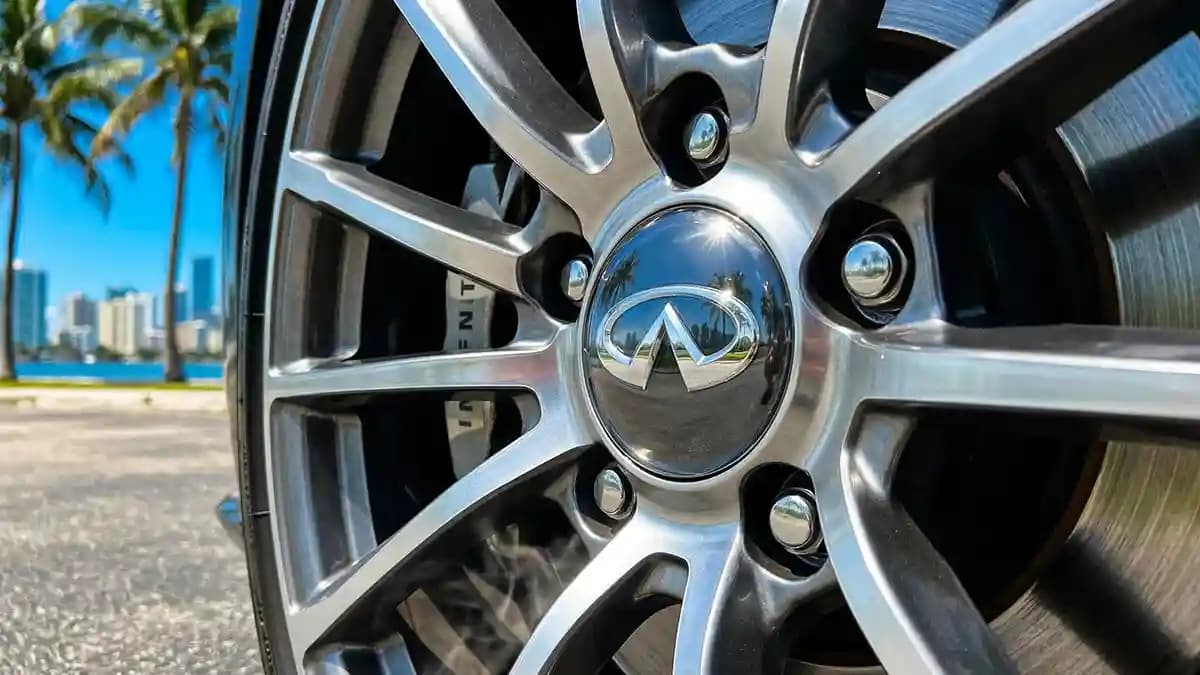
UV resistance testing is how we simulate years of Florida sun without leaving a wheel emblem outside for three summers, and the short answer is simple, we hit it with controlled light, heat, and moisture until the weak stuff gives up. I learned why this matters while staring at a center cap that looked fine in the box and tired on the car after one brutal summer. The white had turned a tea color, the clear looked old, and the whole thing had that sad bargain bin vibe. That was the day I stopped trusting shiny photos and started trusting test methods.
People throw around “UV proof” like it is magic. It is not magic, it is homework. The U.S. EPA says the UV Index runs from 1 to 11 plus, and NOAA’s current bulletin for March 11, 2026 shows Miami at 10, which is firmly in the very high zone. When people say “Florida sun,” that is basically code for punishing light, heat, and long exposure windows that make cheap clear resins show their real face fast.
Why Florida is the test nobody wants to fail
I have had customers send me photos where the logo still looked okay, but the clear top had gone weird. Not cracked all the way, not peeled all the way, just ugly enough to ruin the wheel. That is the annoying part. A bad dome rarely fails in one dramatic movie scene. It slowly gets dingy, warm in color, and tired looking, then one day you notice it every single time you walk up to the car.
Florida style exposure speeds that embarrassment up. Strong UV, high surface heat, sudden rain, then more sun, it is a nasty combo for anything clear. If a dome cannot handle that rhythm, the gloss drops, the color under it looks dull, and the wheel starts looking older than it is.
Here is what sun damage usually looks like when a dome was never built for outdoor work.
The clear starts to go warm instead of water clear.
White graphics lose that crisp clean look first.
The edge gets stressed, then dirt starts collecting there.
The whole badge loses that fresh lens effect that made it look premium.
That is why I tell people to start with the clear layer, not the logo. The print can be beautiful and still lose the fight if the dome on top is weak. If you want the deeper material story after this, our breakdown of Epoxy vs. Polyurethane: The Science of Why Cheap Stickers Fail connects a lot of dots.
What UV resistance testing actually means
UV resistance testing is just controlled abuse. You take a material, put it in a chamber, set the light, set the heat, add moisture when needed, and keep the cycle honest. Then you watch what happens to color, gloss, clarity, shape, and the bond at the edges. If the badge comes out looking clean, you keep going. If it comes out looking like a cheap bathroom sticker, well, there is your answer.
There are two lab tools that matter most here. ASTM G154 covers fluorescent UV exposure devices, and ASTM says the practice gives general procedures for operating fluorescent UV lamp weathering devices and that results have to be tied to the exact operating conditions used. ASTM G155 covers xenon arc exposure, and ASTM says that method is meant to reproduce weathering effects from sunlight and moisture on nonmetallic materials. That sounds technical, but the garage version is easy. One test is great for hammering the UV and moisture problem. The other is great when you want a fuller sunlight style hit.
Most people think “testing” means one pass and done. Not even close. Good weather testing is boring on purpose. Same setup, same cycle, same samples, same checks. That is how you catch real weak points.
The two chambers I care about most
The first one is the QUV type setup. Q Lab says ASTM G154 is used to expose materials to damaging UV, elevated temperatures, and moisture, and its QUV system uses fluorescent UV lamps plus condensation to simulate outdoor attack. Q Lab also notes that UVA 340 lamps give a realistic match to the short wavelength part of sunlight that does the most damage to durable materials. This is the chamber that tells you fast if a clear layer hates sun and hates getting wet.
The second one is the xenon arc setup. Atlas describes ASTM G155 as the weathering standard for xenon arc instruments used to accelerate and reproduce the effects of full spectrum sunlight, and its Weather Ometer line lists ASTM G155 among the core standards for nonmetallic materials. This matters because a badge does not only see sharp UV. It sees the whole daily mess, light, heat, and moisture working together.
I like using both ways of thinking because clear domes fail in more than one way. One material may stay shiny for a while, then yellow. Another might stay clear but get brittle at the edge. You only catch that stuff when the test is trying to break the whole stack, not just one layer.
Here is the basic scorecard I care about when a sample comes out of a chamber.
Is the clear still clear, or did it go warm and ugly.
Is the gloss still even, or does the surface look tired.
Is the print under the dome still vivid.
Is the edge still smooth and sealed.
Does the dome still feel tough instead of brittle.
Why moisture matters almost as much as sunlight
This is the part people skip, and then they act surprised later. Sun alone is rough, but sun plus moisture is where cheap domes get exposed. ASTM G154 specifically includes both UV and moisture, and ASTM G155 is built around sunlight plus moisture as well. That matters because a wheel emblem does not live in a glass box. It gets rain, wash water, morning dew, and road spray.
Moisture finds the edge first. Always. If the clear shrinks, hardens, or pulls weird during aging, the perimeter becomes the weak spot. Then dirt starts parking there. Then washing gets rougher because you try to clean that ugly ring. Then the badge looks cooked even if the center still has some life in it. I have seen this movie too many times.
Think of the dome like a tiny roof. If the roof material gets stiff and the edges stop sealing, the whole thing starts aging faster. That is why a pretty badge with weak edge behavior is still a bad badge. The edge is where the truth lives.
What “non yellowing” really means, and what it does not mean
Real talk, nothing clear gets a free pass forever. The goal is not wizard level immortality. The goal is to stay clear, glossy, and good looking for a long time in real outdoor use. That is why resin family matters so much. The American Chemistry Council says aliphatic diisocyanates are used to make color stable and durable polyurethane coatings, adhesives, sealants, and elastomers. That is the chemistry lane you want around outdoor clarity.
This is also why cheap epoxy style domes disappoint people. They often look great at the start. Nice shine, nice depth, nice photos. Then the sun starts billing them for all that fake confidence. If the resin yellows, every white part of the design looks dirty. If the resin hazes, metallics stop popping. If the resin hardens too much, little stress marks become a big visual problem.
So when I say non yellowing, I mean this in plain terms.
The clear should stay water clear, not tea colored.
The logo under it should still read sharp in bright sun.
The dome should not turn every wash mark into a drama scene.
The finish should still look like a badge, not like old candy.
If you want to see what good surface recovery looks like after light abuse, read Self Healing Graphics: How 3D Domes Rebound from Scratches. It helps explain why clarity and flexibility belong in the same conversation.
How I translate lab results into real wheel life
I do not care about lab numbers if they do not help a real buyer. A center badge on a daily car has one job, keep the wheel looking fresh without making you think about it. So when I look at UV resistance testing, I turn it into simple questions. Will the white stay white. Will the black stay deep. Will the silver still look crisp. Will the edge still sit down nicely after months outside.
That is where the lab becomes useful. It gives you a way to filter out junk before the customer becomes the test department. You do not want to buy four badges, install them perfectly, and then find out the chemistry was lazy. Nobody enjoys peeling off disappointment on a Saturday.
This is also why I like product pages that are clear about the stack. Our wheel emblems category keeps the focus on parts that are made for exposed wheel centers, not random decorative stickers that happen to be round. And when someone wants a simple example, a product like the Audi wheel emblem or the Porsche center hub cap emblem shows the same core idea, printed vinyl under a domed clear top built for outdoor use.
What weak testing usually misses
Some sellers love the word “UV resistant” and hate details. That is never a good sign. ASTM itself makes the point that G154 results should not be cited without the operating conditions that were used. In plain English, that means the setup matters. Lamp type matters. Cycle matters. Exposure time matters. If somebody only says “tested” with no context, I start hearing clown music.
Bad testing also hides the full stack problem. A sample might survive light but fail once moisture is added. Or the dome might stay clear but the edge may start getting weird. A real badge is not one material. It is a stack of decisions, and each layer gets a vote.
Here are the red flags I watch for when a product claim feels slippery.
It says UV resistant, but never says what was tested.
It talks only about gloss and never about clarity over time.
It ignores moisture like the car lives indoors forever.
It shows studio photos only, no outdoor reality.
It sounds fancy, but gives you zero clue about the resin type.
The boring habits that help a good dome last even longer
Even the best badge likes a little common sense. If you scrub it with a gritty brush, aim a pressure washer straight at the edge from point blank range, or trap tire shine around the perimeter, you are making the job harder than it needs to be. Good materials matter, but so does not treating your center caps like they owe you money.
My routine is simple and it works. Wash with normal car soap. Rinse grit before touching the emblem. Dry the center area. Skip harsh household cleaners. Boring is exactly what you want from a wheel emblem.
Why this matters for Impossible Stickers
We are not selling a fantasy here. We are selling a small part that has to survive a very annoying life. That means the clear layer has to hold its look, the print has to stay crisp, and the edge has to stay clean long after the first week excitement is gone. A badge that only looks good in the product photo is useless. The whole point is to make the wheel look right months later, when nobody is thinking about the badge anymore.
That is why UV resistance testing matters so much. It is how you stop guessing. It is how you catch the weak chemistry before it ends up on someone’s daily driver. Good testing is not sexy. But the result is.
Quick Q and A
Q: What is UV resistance testing in simple terms?
It is controlled weather abuse in a lab. You use light, heat, and moisture cycles to see if a dome stays clear, glossy, and stable.
Q: Why use “Florida sun” as the benchmark?
Because it is a fast way to describe harsh UV and heat exposure. Miami regularly sits in the very high UV range, so weak clear resins get exposed quickly.
Q: What is the difference between QUV and xenon arc testing?
QUV style testing leans hard into fluorescent UV plus moisture cycles. Xenon arc testing is used to reproduce fuller sunlight conditions with heat and moisture in the mix.
Q: Does non yellowing mean the badge will last forever?
No. It means the resin is built to hold clarity and color stability far better outdoors, especially compared with cheap clear domes.
Q: What usually fails first on a weak badge?
The look fails before the whole badge falls off. The clear warms up in color, the gloss drops, and the edge starts looking dirty or stressed.
Q: Can I ruin a good badge with bad washing?
Yes, absolutely. Dirty brushes, harsh cleaners, and very aggressive close range pressure washing can all shorten the life of the finish.