
Car Show Season Prep: Small Details That Make Your Wheels Stand Out
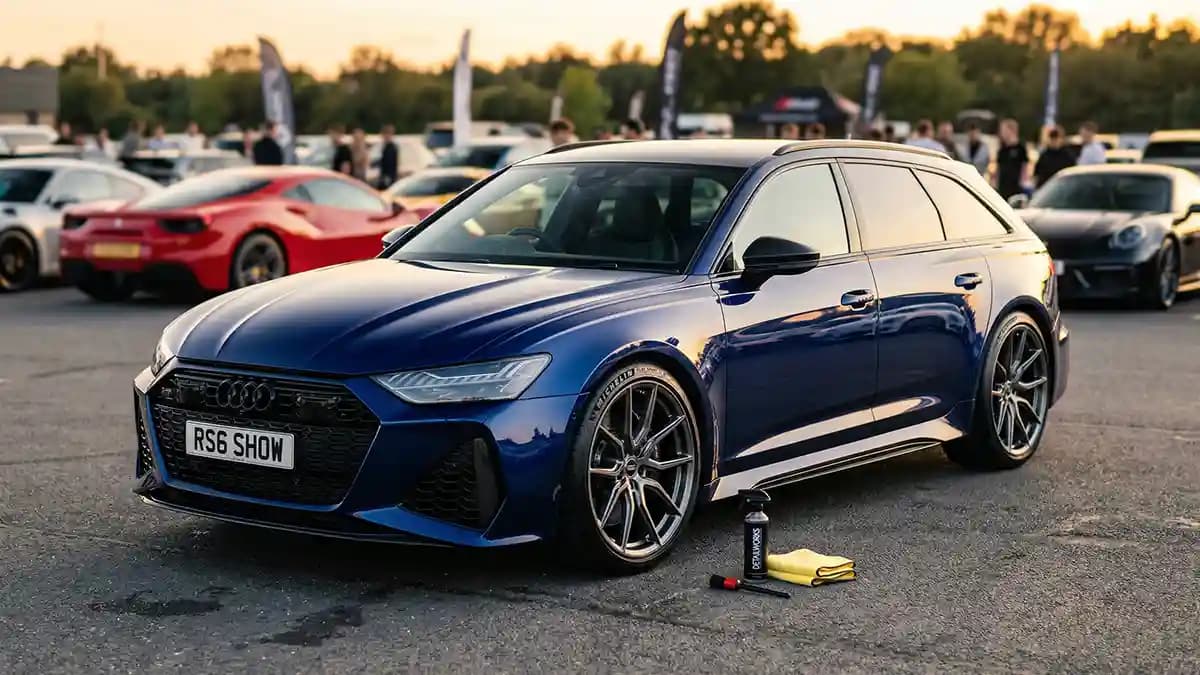
Car show wheel prep is not about one giant trick, it is about fixing the five tiny things your eye keeps catching every time you walk past the car. I learned that standing in a hot parking lot at a weekend meet, staring at a clean coupe with fresh paint and wheels that still looked half asleep. The barrels had dust in them, one cap sat a hair crooked, and the tires looked shiny in the bad way, like they had been dipped in cough syrup. That was the moment the whole thing clicked for me. Wheels do not need to scream to stand out, they just need to look finished.
Most people wash the body, wipe the glass, vacuum the cabin, then give the wheels the same two lazy sprays and one angry brush they always use. Bad move. At a show, people crouch. They look close. They spot the inner barrel, the valve stem, the edge of the center cap, and the little ring of brown on the tire shoulder that you swore was black five minutes ago. The funny part is that these are cheap fixes, but they hit way above their weight.
I have seen average cars get attention because the wheels looked sharp, calm, and complete. I have also seen very expensive builds lose some magic because the center area looked tired or the tire dressing flung onto the quarter panel on the drive in. A Pebble Beach detailer told Hagerty that people often miss the inside of the wheels and even the front suspension, and that is exactly the kind of stuff judges and detail nerds notice when they get close.
Why wheels win or lose the first five seconds
The body sets the tone, but the wheels close the sale. Your eye goes there fast because they hold contrast, shape, brake dust, and branding all in one tight little area. A wheel can look deep, expensive, and crisp, or it can look like you cleaned it in the dark with a wet sock. There is rarely much in between.
That is why center caps matter more than people think. The center zone is basically the full stop at the end of the sentence. Miss it and the whole wheel feels unfinished. Get it right and the wheel suddenly looks more expensive, even when you did almost nothing else.
Here is the simple rule I use before any show.
Clean the face.
Clean the barrel.
Clean the tire.
Fix the center.
Step back six feet and hunt for the one dumb thing still ruining the look.
Start with safe wheel detailing, not panic chemistry
This is where people get too brave. They grab the meanest cleaner they can find because brake dust looks nasty and they want it gone fast. But wheel finishes are not all the same, and that matters. Tire Rack says regular cleaning with mild soap and water is the safest baseline for modern painted or clear coated wheels, and it flat out says to avoid abrasive cleansers, steel wool pads, and polishing compounds on those finishes. Mothers says the same basic thing, if the wheel is clear coated, stick with car soap or a mild wheel cleaner instead of going wild with metal polish.
If the wheels are really hammered, then bring in a stronger wheel cleaner that is actually made for that job. Griot's current heavy duty cleaner is pH balanced and says it is safe on painted, chromed, uncoated aluminum, powder coated, and anodized finishes, which is the kind of broad safety margin I like when I am working fast before a show. Road and Track also recently called out pH balanced wheel cleaner as a big plus in its testing, because strong cleaning power is nice, but not if it leaves you worrying about your finish.
And keep your wheel tools separate. Mothers points out the obvious but important thing, do not use the same mitt on your gritty wheel wells and then drag that grime across your hood the next week. That sounds basic, but basic is what saves paint.
The three places people skip, and then regret
I always laugh when somebody says the wheels are done and the inner barrel still looks like a chimney. Or the lug area is gray. Or the valve stem is wearing last year’s crust. These are tiny spots, but they pull the eye like a crooked picture frame.
My check list for show car wheels is boring, which is why it works.
Inner barrel, because it frames the spoke openings.
Lug holes or bolt pockets, because dust hides there like it pays rent.
Valve stem and cap, because one crusty stem can make a clean wheel look cheap.
Back edge of each spoke, because that line catches light.
Center cap lip, because trapped grime there makes the badge look old.
This is also the best time to decide if your center cap is still worth saving. If the face is scratched, faded, yellowed, or half peeled, clean all you want, it will still look tired. That is why I keep coming back to the center zone before shows. It gives you the biggest visual jump for the least money and time.
Wheel detailing is half cleaning, half editing
A good show wheel is not just clean. It is edited. You remove the stuff that distracts. Brown tires, dull caps, water spots, random grease near the hub, and cheap shine that looks wet in the bad way all need to go. You are not trying to make the wheel louder. You are trying to make it make sense.
This is where a center cap upgrade can save the whole mood of the car. If the wheel face looks fresh but the middle looks faded, the eye reads conflict. The fix can be as simple as replacing that tired middle area with clean domed badges from the Shop All Products collection or going brand specific with something like BBS wheel emblems for a motorsport look. A small part, yes. But it changes the read of the whole wheel in one shot.
I also like a domed badge for show prep because it catches light in a clean way instead of looking flat and dead. That little lens effect helps the logo look deeper from a few feet back, which is exactly where people first see it. If you want the material side of that, the in house post on Self Healing Graphics explains why a good dome can hide light surface abuse better than a cheap flat piece. It is the same reason a badge can still look sharp after normal washing when the bargain stuff starts looking tired.
The center cap is where judges, friends, and your own brain all stop
I have watched people stare at a wheel for ten seconds and never say the word center cap once. Then they walk away saying the wheel looked clean, expensive, or finished. That is the trick. The cap does not need to be the star. It just needs to keep the eye from tripping.
A cap looks right when four things line up.
The size fits the flat visible area.
The logo is centered.
The finish matches the build.
The edge sits clean with no lift, dirt, or weird gap.
That first one is where people blow it. They measure the wrong area, buy the wrong size, then try to convince themselves it looks fine. It does not. If you need a refresher, Millimeters Matter is worth reading before you order anything. One millimeter can be the gap that keeps bugging you all summer.
For show prep, I match the cap finish to the car’s attitude. Bright silver or full color works when the car already has chrome or classic cues. Gloss black fits modern builds. Red accents work on motorsport stuff if the car already carries that accent somewhere else. And if the build leans trail or rally, a clean branded piece like the Toyota TRD logo silicone badge makes more sense than some random shiny generic cap.
Tires can ruin the photo faster than dirty paint
This one hurts because it is so common. The car is clean, the paint is sharp, the wheels are sorted, then the tires look greasy and fling dressing onto the body on the drive to the event. Road and Track recently noted that letting tire dressing dry for about fifteen minutes can help cut down sling. That lines up with what detailers have learned the messy way for years, too much product and not enough dry time gives you black freckles all over the side of the car.
I keep tire finish simple before a show.
Scrub the sidewall until the brown is gone.
Let it dry.
Apply a thin coat with an applicator, not a wild spray.
Wipe excess off the shoulder.
Let it sit before moving the car.
That gives you a dark, even look without the fried dough shine. And yes, I am judging tire sling. Everyone is. They just pretend not to.
The wheel well matters more than you want it to
You do not need to build a mirror under the fender. But a dirty wheel well next to clean show car wheels looks like you dressed up for a wedding and forgot your shoes were muddy. Mothers notes that a slightly stiffer brush works well for sidewalls, undercarriage, and wheel wells, and I agree. Just do not get cute and use that same brush where it does not belong.
What I want in the wheel well is simple. No loose dirt. No obvious mud line. No caked debris on liners or suspension bits that are easy to see through open spokes. That alone makes the wheel face pop harder because the background stops fighting it.
If you have a show where people crouch low, go one step farther. Wipe the visible lower suspension bits. Hagerty’s concours detail coverage makes the same point in a fancier setting, people notice the hidden stuff more than most owners think.
Small matching details make the whole car feel thought through
This is my favorite part because it is cheap and sneaky. A wheel setup starts looking premium when the tiny details agree with each other. Not identical, just related. Valve caps that match the center cap. A badge finish that talks to the grille trim. A black cap on a blacked out build. A brushed metal look that ties in with mirror caps or roof rails. This is not hard. It just takes five minutes of honest looking.
Here is what I line up when I want a car to feel sorted.
Center cap finish with wheel finish.
Tire sheen with overall style of the build.
Valve caps with the badge mood.
Brake caliper color with any accent color in the center.
No random colors that only show up once.
That last point saves a lot of builds. Random red in the center cap with nothing else red on the car looks like a mistake, not a theme. Your wheel details should look like they belong there, not like a parts bin dared you.
A fast morning of car show wheel prep
If I only had one morning before a meet, this is exactly what I would do. No drama, no twelve step spa day, just the stuff that gets seen.
Rinse wheels and wells first, before touching paint.
Use safe soap or a wheel cleaner that matches the finish.
Clean the barrels and spoke backs.
Scrub tire sidewalls until the foam stops coming off brown.
Dry the wheel face and lug area fully.
Inspect the center caps in direct light.
Replace or re center any cap that looks off.
Dress tires lightly and wipe the excess.
Do a final walk around from six feet away.
Take one phone photo, because photos catch what your eyes miss.
What actually gets compliments
People think compliments come from rare wheels or big budgets. Sometimes, sure. But most of the time compliments come from clarity. People notice when the wheels look complete. They notice when the center cap finish matches the build. They notice when the tire shine looks controlled instead of sticky. They notice when the barrels are clean and the whole setup feels intentional.
That is why car show season prep should start with the wheels if you want the fastest visible win. Fresh caps, clean barrels, dark even tires, and tidy wells change the read of the car before anyone checks the paint. It is honest, cheap progress. No magic. Just details.
Quick Q and A
Q: What is the most important part of car show wheel prep?
The center cap and tire finish together make the biggest fast change. If those two look right, the whole wheel reads cleaner.
Q: Should I use strong wheel cleaner before a show?
Only if the wheel finish can handle it and the dirt level actually needs it. Mild soap or a finish safe cleaner is the safer play for regular prep.
Q: How do I stop tire dressing from flinging onto the paint?
Use less product, wipe the excess, and let it dry before driving. That last part gets skipped all the time.
Q: Are center caps really that noticeable at a car show?
Yes. People may not say “nice center cap,” but they notice when the middle of the wheel looks crisp or tired.
Q: What if my wheels are clean but still look boring?
Then the finish is probably missing a focal point. A clean center cap upgrade or a better matched badge usually fixes that fast.