
OEM vs Aftermarket Wheel Emblems: What's the Real Difference?
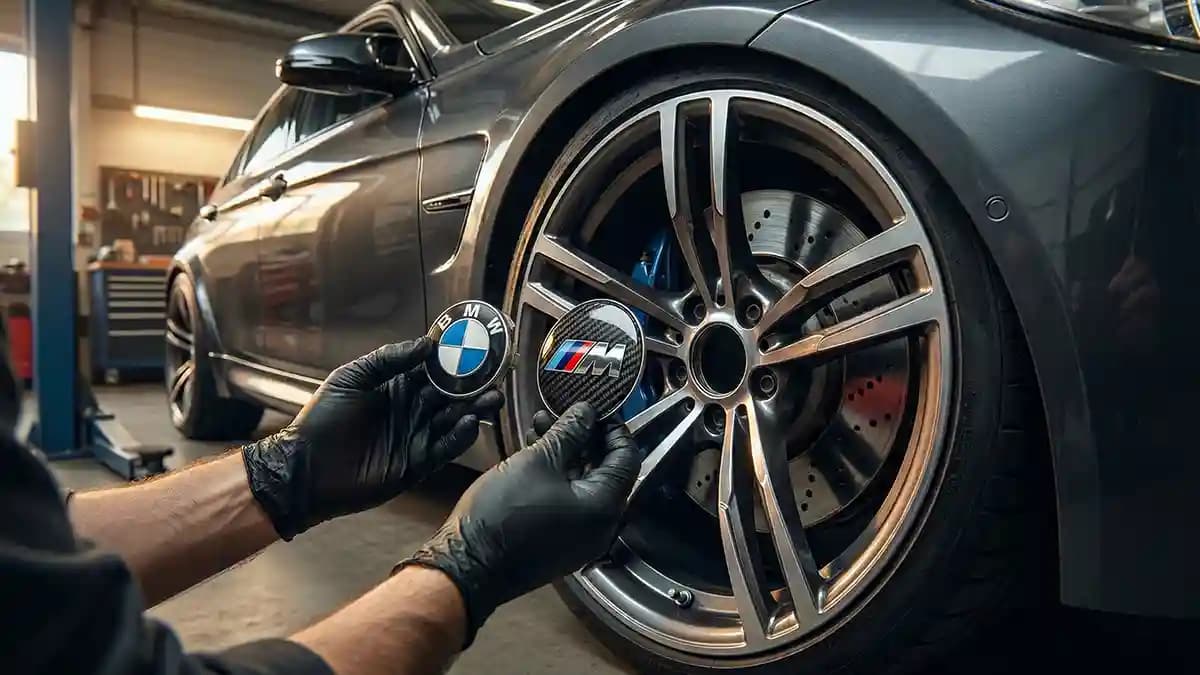
OEM vs aftermarket wheel emblem comes down to this, OEM is the safe factory path, but a good aftermarket emblem is usually the smarter buy when your cap body is still solid and only the face looks tired. I was standing next to a black sedan last week with one faded center cap in my hand, and the owner had that same look people get when a tiny part starts acting like a financial emergency. The wheels were clean, the tires were fresh, and then right in the middle sat one sad little badge that made the whole car look like it gave up. That is why this topic matters more than people think. A bad emblem is tiny, but it can make a nice wheel look cheap in one second.
Here is the clean answer before we get fancy. OEM parts come from the original vehicle maker, while aftermarket parts come from a third party. In the broader car parts market, OEM usually means one known source, tighter fit confidence, and easier brand purity, while aftermarket usually means more choices, better availability, and lower prices if you pick a good supplier. That basic split is well established in current consumer repair guides, even though good aftermarket parts can match or beat OEM when the manufacturer is serious about quality.
The real difference in one minute
OEM is about origin. The part traces back to the car maker and usually follows the same branding path as the factory piece.
Aftermarket is about options. You get more size, finish, and price choices, which is great when you want to refresh the look instead of replace the whole cap.
OEM is strongest when originality matters. Show cars, collector cars, lease return anxiety, and people who lose sleep over part numbers usually lean that way.
Aftermarket is strongest when the visible face is the real problem. If the cap still clips in fine and only the logo looks rough, paying for a full OEM cap can feel like buying a new fridge because the magnet fell off.
Cheap aftermarket is the trap. Premium aftermarket and bargain bin aftermarket are not the same animal, not even close.
What OEM really buys you is peace and paperwork. You get the brand name, the factory look the car came with, and usually a straightforward parts path tied to the make and model. JD Power notes that OEM parts are the same standard as factory fitted parts, and Progressive defines OEM versus aftermarket by the source of manufacture, which is the cleanest way to think about it. That matters when you do not want to interpret fifty listing photos and guess which seller is telling the truth today.
Where OEM still wins
You need the full cap, not just the emblem. If the clips are broken, the plastic body is cracked, or the cap is missing, OEM can save you a lot of messing around.
You care about collector value. State Farm points out that classic car value tends to rise with originality and good period correct restoration work. That does not mean every old daily driver needs dealer caps, but it does mean originality matters more when the car itself is the asset.
You want one known answer. OEM is boring in the best way. There is less guesswork, less comparing, less doom scrolling through suspicious photos taken with a potato.
You are picky about exact branding. Some people want the precise factory logo, color tone, and cap assembly because anything else bugs them forever.
Insurance or repair paperwork is involved. Current insurance guidance still treats OEM and non OEM parts as separate choices, and some estimates use aftermarket to lower costs unless you push for OEM or have coverage that supports it.
Now for the part nobody explains well. Wheel emblems live in a weird middle ground, because lots of times you do not need a whole new cap. You need the visible face to stop looking sun cooked, scratched, or half peeled. That is where premium aftermarket emblems earn their keep. You are not always replacing a mechanical assembly, you are often fixing the part your eyes actually see.
That is also why current wheel shopping gets messy fast. Tire Rack still shows wheel applications that accept original equipment center caps, and it also warns that some setups use original hardware, skip center caps, or treat caps as optional accessories. In plain English, even the modern wheel market mixes factory cap systems and aftermarket wheel systems all the time, so the answer is rarely as simple as “OEM good, aftermarket bad.”
I learned this the hard way on a set of older wheels I was trying to “save money” on. I bought the cheapest round badges I could find, slapped them on, stepped back, and for about six seconds I felt like a genius. Then the sun hit them. The red was wrong, the silver looked muddy, and the edge sat on the bevel instead of the flat center like it was trying to climb out of the wheel. That tiny mismatch screamed louder than the exhaust.
Where premium aftermarket wins
You keep a good cap and fix the ugly part. This is the biggest one. If the cap still fits, replacing only the face is often the clean move.
You get more sizes. Good aftermarket sellers work in millimeters and cover oddball diameters that factory catalogs stop caring about once the car gets old.
You get finish choices OEM never offered. Gloss black, carbon look, heritage colors, monochrome, subtle stealth, all that fun stuff lives here.
You can match aftermarket wheels better. Some wheel builds want the car logo, some want the wheel brand, and some just want a calm factory style face that does not shout.
You usually spend less. OEM parts are usually pricier, while aftermarket tends to cost less and be easier to source. That pattern holds across the broader parts market too.
That last point matters more than people admit. A lot of full replacement center caps are sold one by one, not in a nice cheap set that makes you smile. Tire Rack product pages for replacement caps show exactly how annoying this gets, with wheel original caps sold individually and sets climbing fast in price. So when your cap body is fine, paying full cap money just to freshen the face can feel a little silly.
How I judge aftermarket wheel badge quality
Size first, logo second. If the diameter is wrong by 1 mm, the badge can sit on the lip, crowd the edge, or leave a ring that looks off forever.
Measure the flat visible face. Do not measure the shiny outer lip just because it looks important. The adhesive only cares about the landing zone.
Check the print accuracy. A good badge has clean lines, balanced spacing, and colors that do not drift into clown territory.
Check the dome. The clear top should look even and deep, not like a drop of old hot glue.
Check the adhesive story. If the seller says nothing useful about prep, surface, or install, I assume they are hoping luck will do the heavy lifting.
Check whether the cap itself is the problem. A beautiful new badge on a cracked cap is like polishing one shoe and calling it a tuxedo.
If you want the fastest way to avoid the dumb mistake, read Millimeters Matter before you buy anything. The key move is measuring the flat visible landing zone for overlays, not the full outside of the cap, and that one rule saves people from a shocking amount of regret. The same basic fit logic shows up again and again in current Impossible Stickers fitment posts because the measurement mistake is usually tiny, not dramatic. Tiny is enough. Tiny ruins everything here.
Genuine center cap vs replica, what people really mean
Genuine center cap usually means the whole factory part, cap body plus factory logo path.
Replica gets used loosely, and that word causes chaos. Some people mean a cheap fake full cap. Others mean a well made overlay that restores the factory look on an original cap body.
Aftermarket wheel badge can mean a logo overlay, a custom domed emblem, or a wheel brand badge for non OEM rims.
Premium aftermarket is the lane I actually trust for cosmetics. Good materials, clean print, proper dome, exact size, done.
Cheap aftermarket is where the horror stories come from. Wrong color, weak glue, soft edges, yellow clear top, and listing photos that feel legally slippery.
This is where broader industry standards are useful as a mindset, even if your wheel emblem itself is not a CAPA certified crash part. CAPA says certified competitive parts are pre tested to high standards for quality, safety, and comparability, and Progressive says aftermarket quality comes down to the manufacturer. Same lesson, smaller part. The label “aftermarket” tells you who made it, not whether it is junk.
When I tell people to buy OEM
The cap body is broken, missing, or loose.
The car is valuable enough that originality matters to the next buyer.
The owner wants exact factory branding and does not want style options.
The dealer part is easy to get and the price does not sting too much.
The car is headed for a judged show where factory correctness matters more than smart spending.
When I tell people to buy premium aftermarket
The cap body is fine and only the face looks bad.
OEM stock is gone, weirdly expensive, or sold one painful piece at a time.
The car runs aftermarket wheels and the branding goal is different now.
The owner wants a cleaner, darker, or more custom look than factory.
The whole goal is to make the wheels look right again without turning a tiny cosmetic fix into a wallet event.
There is one more lane people forget, older cars and discontinued wheels. OEM support dries up, part numbers get messy, and sellers start asking collector prices for things that used to live in a dusty drawer for lunch money. That is when a premium overlay stops being the “cheap option” and becomes the sensible restoration move. If that is your problem, the post on Finding Emblems for Discontinued Rims is the exact rabbit hole to go down next
The mistake that makes any emblem look bad
I do not care if the badge came from the dealer, a boutique aftermarket shop, or a box that arrived with enough tape to survive a hurricane. If the fit is wrong, it will look wrong. A perfect logo on the wrong diameter still looks lazy. And a cheap logo with the right fit can fool people from ten feet away, though it usually gives itself away up close when the print and clear layer start acting goofy.
That is why I keep coming back to the same boring rule. Buy for the wheel first, then the cap, then the look. Not the other way around. People do it backwards because logos are fun and calipers are not. But the wheel does not care what mood you were in when you clicked buy. It only cares whether the emblem lands flat, centered, and clean.
So what is the real difference between OEM and aftermarket wheel emblems. OEM gives you factory origin, easier originality, and less guesswork. Premium aftermarket gives you flexibility, better value, more finish choices, and a smarter fix when the cap body is still good. Cheap aftermarket gives you a small lesson in regret and a future Saturday afternoon spent peeling junk off a round piece of plastic.
My honest take, for most daily drivers, a premium aftermarket emblem is the sweet spot. You keep what still works, fix what looks rough, and spend your money where your eyes will actually notice it. If you want to browse clean options built for that job, the Wheel Emblems section is the place I would start. Measure first, shop second, and your wheels stop looking tired real fast.
Quick Q and A
Q: Are OEM wheel emblems always better than aftermarket ones?
No. OEM is better for factory originality and full cap replacement. Premium aftermarket is often better when the cap body is fine and you only need the visible face to look right again.
Q: How do I know if I need a full center cap or just an emblem overlay?
Check the cap body first. If it still clips in tight and the plastic is not cracked, an overlay is usually enough. If the cap is missing or broken, start with the cap.
Q: Why do cheap aftermarket wheel badges look bad so fast?
Usually it is bad print, weak glue, poor clear material, or the wrong size. Cheap parts love to look decent for five minutes and then snitch on themselves in sunlight.
Q: Can aftermarket wheels still use OEM center caps?
Some can, yes. Current wheel listings show that certain aftermarket wheel applications accept original equipment center caps, while other setups use their own cap system or treat caps as optional.
Q: What is the biggest mistake people make when buying wheel emblems?
They shop by logo before they shop by size. Measure the flat visible face in millimeters first, then choose the finish and style.