
Toyota Wheel Center Cap Emblems: TRD, GR Sport, and Standard Fitment Guide
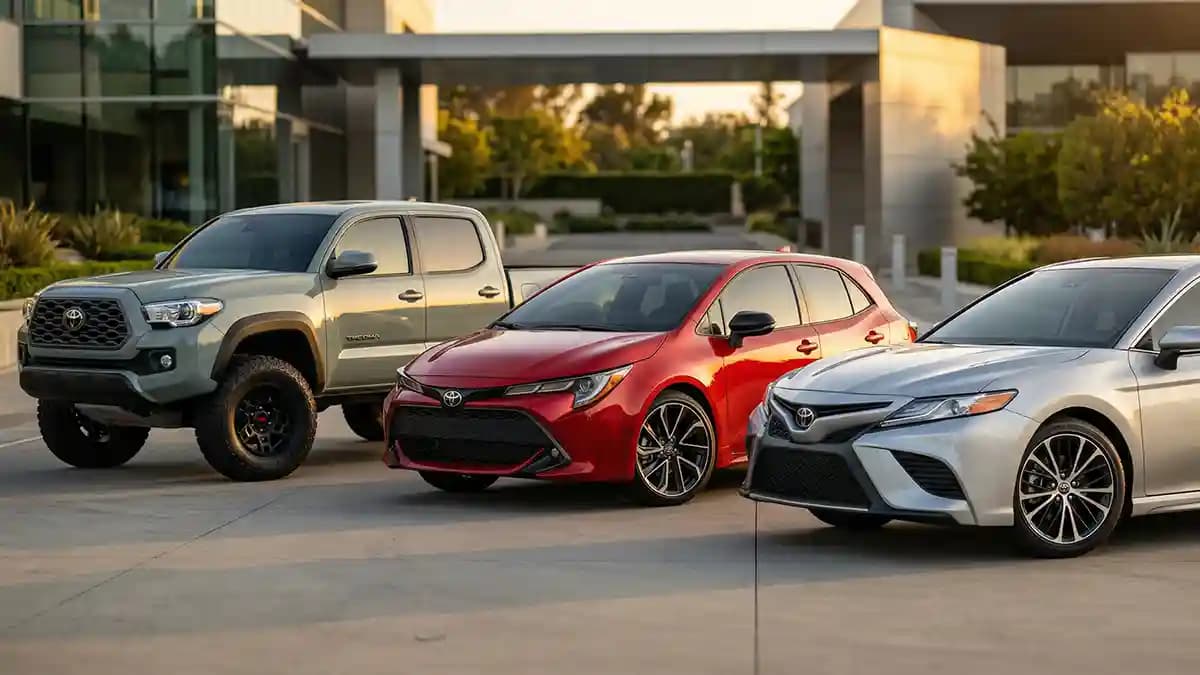
Toyota wheel center cap sticker is the right move if you want your wheels to look finished, but the real answer is simple, buy for the cap first, the logo second, and the style third. I was standing next to a gray Toyota in a parking lot last week, staring at four nice wheels with one center cap that looked like it came from a different car. The owner had picked a badge because the logo looked cool on a phone screen. Up close, it sat a hair too big, crossed the edge, and ruined the whole thing. That mistake is why this guide exists.
Here is the part that trips people up. Toyota does not live in one badge lane anymore. Standard Toyota emblems still make sense for daily drivers that want the clean factory look. TRD is alive and loud on the truck side, and Toyota is still putting TRD branding on current Tacoma trims and TRD Pro hardware, including wheels and TRD center caps. GR SPORT is also current in Europe, where Toyota says the range is inspired by TOYOTA GAZOO Racing and includes models like Yaris GR SPORT and Corolla Hatchback GR SPORT with sporty wheel treatments.
One more thing, because this is where people get crossed up. GR SPORT is not the same thing as the full GR sports car line. Toyota Europe describes the GR series as pure sports cars and lists cars like GR86, GR Yaris, and GR Supra under that banner. So if you are shopping for a Corolla, Yaris Cross, or another GR SPORT trim in markets that sell them, a GR SPORT style works. If you have a GR Corolla or GR86, you are in straight GR territory, not the softer sport trim lane.
The fast answer nobody gives you
If you want the short garage answer, use this:
Pick standard Toyota when you want the wheel to look factory, clean, and calm.
Pick TRD when the car leans truck, trail, sport truck, or off road attitude.
Pick GR SPORT when the car is more street sport than full race boy, and the trim actually matches that badge family.
Measure the flat circle before you buy anything.
If your cap face is curved, deeply recessed, cracked, or missing, stop shopping for stickers and fix that problem first.
Simple is what saves money. Most ugly wheel setups are caused by people skipping one boring step and trusting the internet like it owes them rent.
Why Toyota center caps are sneakier than they look
Toyota owners run into two different jobs and mix them up all the time. Job one is replacing the whole snap in center cap. Job two is refreshing the visible face with a domed emblem that sits on the flat area. Those are not the same job, and when you treat them like they are, you end up with a badge balanced on a lip like a pancake on a basketball.
Toyota still sells genuine alloy wheel center cap accessories, which tells you fitment is a real part of the job, not some tiny detail nobody tracks. On the aftermarket side, the rule stays the same. The visible face matters, the cap size matters, and the clip system matters if you are replacing the whole cap. If you only need the front emblem face, life gets easier, but only if the landing area is flat and clean.
This is why the supporting keyword Toyota wheel emblem 62mm matters, but also why it fools people. Yes, 62mm is common. No, it is not law. I have seen people order 62mm because a forum post sounded confident, then discover their real flat zone was 60mm or 63.5mm and now the badge fits like socks on a rooster.
Which style fits your build best
Let me make this practical, because staring at logos for forty minutes does not help anyone.
Standard Toyota look
This is the safe bet, and I mean that as a compliment. On a Camry, Corolla, RAV4, Highlander, Prius, or a daily driven Yaris, the regular Toyota look usually wins because it feels right with the rest of the car. It does not shout. It just makes the wheel look complete.
A standard badge is also the best choice when the rest of the build is stock or close to stock. Chrome trim, silver wheels, factory paint, factory stance, nice and tidy. That kind of car does not need a drama queen center cap. It needs something that looks like it belonged there from day one.
If that is your lane, the Toyota collection is the cleanest place to start, and the Toyota Wheel Emblems Stylish Design option keeps the look close to factory while still giving you the raised domed finish. The site product page also shows the huge size spread available, which is helpful when your wheel setup laughs at one size fits all claims.
TRD look
TRD is where things get fun. Toyota is still using TRD hard on the truck side, and the current Tacoma lineup still includes TRD Sport, TRD Off Road, TRD Pro, and TRD PreRunner references, with Toyota calling out black logos and 18 inch TRD wheels on current 2026 material. Toyota also highlights TRD center caps on TRD Pro series wheel packages. That tells you TRD wheel identity is not some old forum fantasy, it is still a living part of Toyota styling.
So who should run TRD center caps? Easy.
Tacoma owners
4Runner owners
Tundra owners
Sequoia owners
RAV4 or Corolla owners with a real TRD themed build that supports the look
That last point matters. A TRD cap on a regular grocery getter with no other sport or off road cues can look random. But on a truck with chunkier tires, darker wheels, red accents, or TRD trim language, it makes sense fast.
If you want that style, the Toyota TRD Wheel Emblems Limited Edition gives you the badge language people actually expect on a Toyota truck or sport truck look. And if your current factory cap face is tired, read Why Do Factory Emblems Fall Off? Heat, Salt, and High Pressure Washes before you install new emblems.
GR SPORT look
GR SPORT sits in a different mood. It is cleaner than TRD, more road focused, and a little more tailored. Toyota Europe says GR SPORT models take their inspiration from TOYOTA GAZOO Racing and pair sporty design cues with features like machined face alloy wheels, dedicated grille details, special suspension tuning on some models, and specific GR SPORT badging. The range page also calls out Yaris GR SPORT and Corolla Hatchback GR SPORT by name.
That means a GR SPORT emblem works best when the car already has that sharper street vibe. Think hatchback, hybrid sport trim, black trim, machine face wheels, tighter visual package. If your car is already wearing GR SPORT trim from the factory, matching the wheel center caps to that language makes the car feel intentional. If it is not, do not force it just because the logo looks fast.
And here is the quiet truth. A lot of people who say they want GR SPORT actually want a regular Toyota badge in black, or they want full GR style because they are chasing the motorsport feel. Those are different looks. Pick one on purpose.
I usually tell people to do this quick check before ordering:
Look at the badges already on the car
Look at the wheel finish
Look at the brake calipers, trim, and paint accents
Ask which badge family already exists on the car
Match that, not your mood from ten minutes ago
That little five step check saves you from fake cohesion. And fake cohesion is ugly. It is like wearing dress shoes with shin guards.
The size rule that saves the whole job
Now the boring part, which is secretly the important part. Measure the visible flat circle where the emblem will sit. Not the full snap in cap unless you are replacing the whole cap. Not the outer lip. Not the pretty raised ring. The flat bonding zone. That is the money spot.
I like digital calipers for this because rulers lie when the difference is small. And with center caps, small is the whole game. A 1mm mistake is enough to make a badge look cheap forever. That is why Millimeters Matter: How to Use Digital Calipers for a Perfect Fit is worth a read before you buy.
My quick sizing routine looks like this:
Wash the cap face
Dry it fully
Measure the visible flat circle in millimeters
Write the number down right away
If the cap is deeply recessed, measure the flat floor, not the upper rim
Choose the same size, or 1mm smaller if you want a little breathing room at the edge
That final step matters a lot. Exact size can look beautiful on a flat face. One millimeter smaller can look even better if the edge is rounded, the cap is slightly recessed, or the ring around the badge is uneven. Your goal is not maximum coverage. Your goal is clean fit.
How I decide between 60, 62, 63.5, and the rest
People love chasing the one magic Toyota number. There is no magic number. There is only the number on your car. The reason Toyota wheel emblem 62mm keeps showing up in searches is simple, it lands in a sweet spot for a lot of Toyota themed wheel badge jobs.
But I have also seen 56, 60, 63.5, 68, and other sizes come up depending on the cap design and wheel brand. Keywords get you to the shelf. Measurements get you the right part.
If you are dealing with aftermarket wheels, slow down even more. The wheel brand decides the cap geometry, not the Toyota logo you want to stick on it.
My install routine for Toyota wheel emblems
Installing a domed emblem is easy, but easy does not mean sloppy. The install is half the result. A great badge on a greasy cap will fail, and then people blame the badge like it jumped off on purpose.
This is the routine I trust:
Wash the cap or wheel center with normal car soap and water
Dry it all the way
Wipe the exact bonding area with isopropyl alcohol
Do a dry fit before peeling the backing
Align using the ring, spoke layout, or a tiny tape mark
Press from the center outward
Hold firm pressure for about 30 seconds
Leave it alone for about 24 hours before washing hard
That last line is where impatient people ruin good work. Relax. Let the adhesive settle. Your center caps are not in a race.
When a sticker is the wrong fix
I love a clean overlay solution, but I am not going to lie to you. Sometimes a sticker is not the fix. If the whole snap in cap is gone, you need a replacement cap or blank cap base first. If the face is badly curved, the wrong dome will lift at the edges. If the plastic is cracked, chalky, or flaking, sticking a pretty emblem on top is like putting cologne on a burned sandwich.
Use this simple test:
If the cap is present and the face is flat, a domed emblem is usually a great fix
If the cap is present but rough, clean and prep it first
If the cap is missing, replace the cap first
If the face is curved, check material flexibility before buying
If the wheel is aftermarket, measure twice and trust the wheel, not the car brand
What I would choose, model by model
If you want my blunt opinion, here it is.
Corolla, Camry, Prius, Highlander, standard RAV4
Standard Toyota badge wins most of the timeTacoma, Tundra, 4Runner, Sequoia
TRD makes sense if the trim and wheels support itYaris GR SPORT, Corolla GR SPORT, other GR SPORT market cars
GR SPORT style works when the car already wears that languageGR Corolla, GR86, GR Supra
Go full GR style, not GR SPORTAftermarket wheels on any Toyota
Measure first, then pick the design that matches the build theme
See the pattern? The wheel decides fit. The car decides style.
Quick Q and A
Q: Is a Toyota wheel center cap sticker better than replacing the whole cap?
If your cap is still there and the face is flat, yes, it is often the faster and cheaper fix. If the clips are broken or the whole cap is gone, replace the cap first.
Q: Is 62mm the standard Toyota wheel emblem size?
No, 62mm is common, not universal. Measure your flat bonding area before you order, because Toyota and aftermarket wheels love using slightly different sizes.
Q: Should I choose TRD or GR SPORT for my Toyota?
Choose the badge family that matches the trim language already on the car. TRD suits truck and off road builds, GR SPORT suits street sport trims, and full GR suits real GR cars.
Q: Can I put a new emblem over an old Toyota center cap?
Yes, if the old face is flat, solid, and clean. If the old badge is raised, cracked, peeling, or badly curved, prep work or a different solution makes more sense.
Q: How long should I wait before washing the wheels after install?
I give it about 24 hours before any serious washing. That gives the adhesive time to settle so you are not testing the bond five minutes after you made it.